
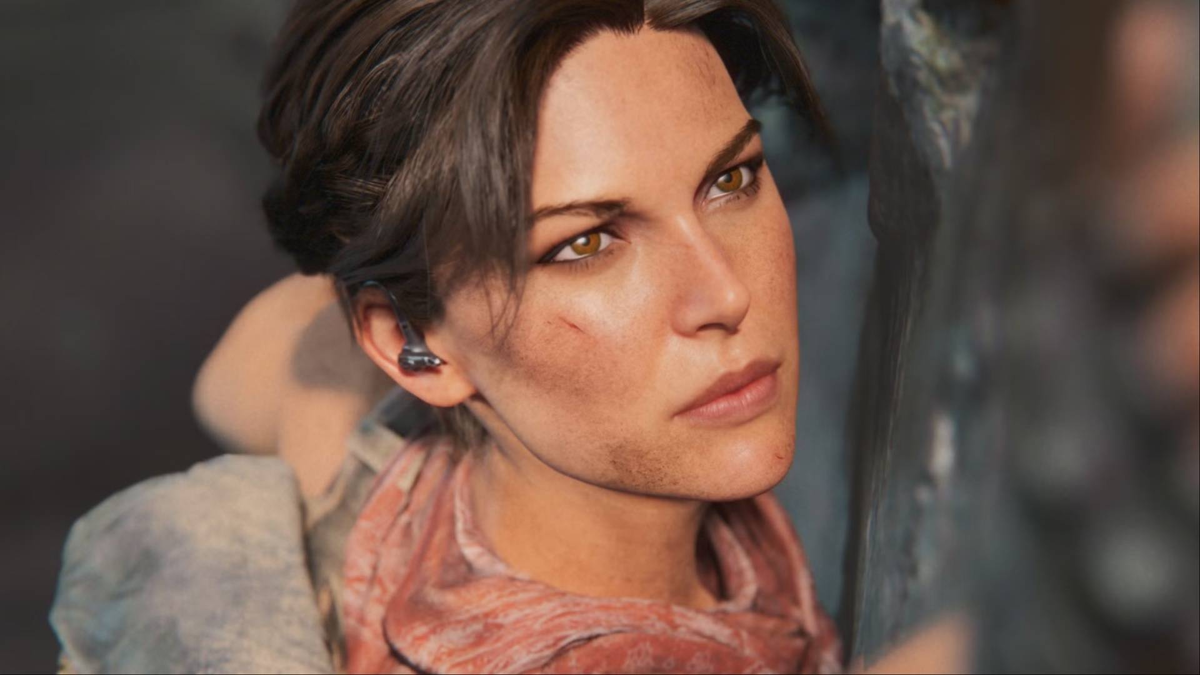
Amazon has confirmed that Tomb Raider: Catalyst will not arrive until 2028, pushing the sequel a full year past its original 2027 target and marking the second delay for the franchise's new dual-game roadmap in as many months.
The revelation came during an interview with The Game Business when Jeffrey Gattis, Amazon's head of gaming, casually noted that Legacy of Atlantis — now dated for February 12, 2027 — would be followed "in 2028 with the next one." Both titles were announced at the 2025 Game Awards with staggered yearly releases planned for 2026 and 2027 respectively. Legacy of Atlantis already absorbed a delay to early 2027 in June; Catalyst now joins it on the moved calendar.

The Announcement
Gattis dropped the date while outlining Amazon's broader strategy for Luna, the company's cloud gaming service. The context matters: he wasn't delivering a formal delay announcement but rather name-checking the Tomb Raider titles as tentpole content for a platform Amazon wants players to associate with "original content" alongside potential future exclusives like Bond. The two games are being developed by Crystal Dynamics and Flying Wild Hog under Amazon Games publishing.
Neither title had a firm day-one date beyond their launch years, so Catalyst's shift from "2027" to "2028" could represent anything from a few months to a full twelve-month slip. Amazon has not clarified whether the delays are connected to Luna's content roadmap or reflect development realities at the studios.
Why This Now
The timing aligns with Amazon's renewed push to establish Luna as a destination rather than a tech demo. Gattis described a portfolio strategy spanning "Game Night games" — lightweight, phone-as-controller titles budgeted in the low single-digit millions — up through AAA blockbusters. Tomb Raider sits at the top of that pyramid. Amazon needs recognizable IP to anchor the service, and Lara Croft remains one of gaming's most durable brands.
But the company's gaming division has a checkered track record. New World launched strong then bled players; Crucible was un-launched; the Lord of the Rings MMO was canceled years in. Publishing two simultaneous Tomb Raider projects — one a direct continuation of the Survivor trilogy, the other a fresh direction — represents Amazon's biggest single-franchise bet yet.
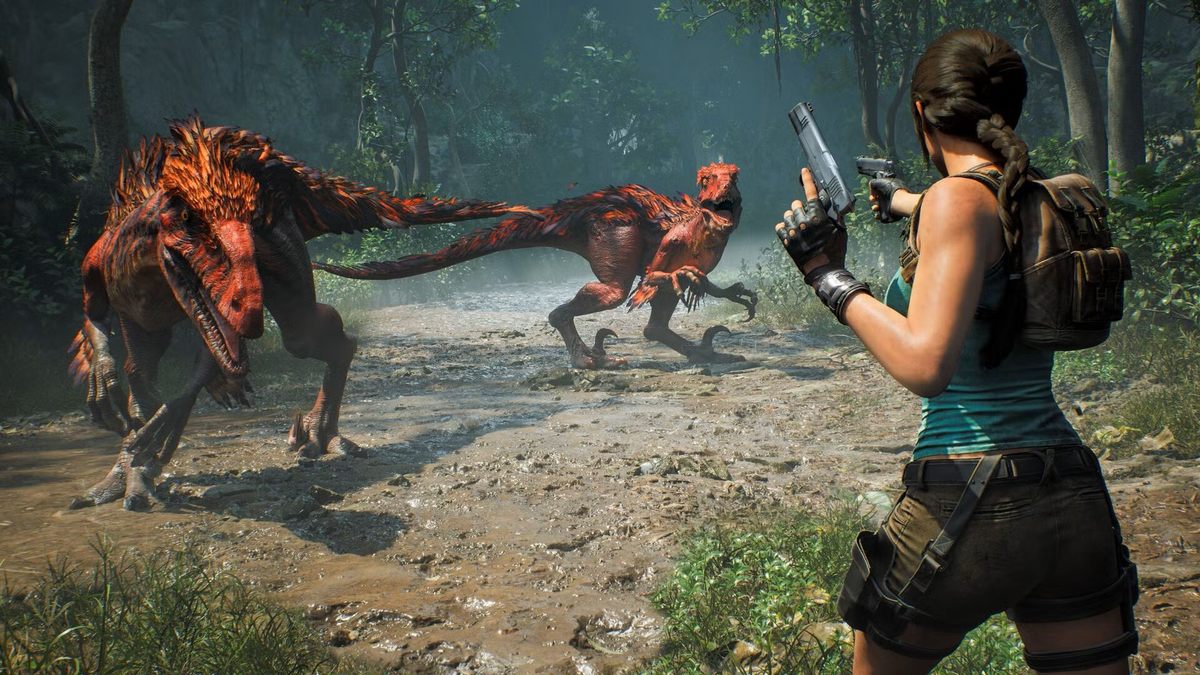
Deconstruct the Impact
For players, the immediate effect is simple: a longer wait. Legacy of Atlantis now anchors early 2027, and Catalyst won't follow until at least a year later — possibly more, given the vague "2028" window. That gap could stretch to eighteen months or two years depending on where in 2028 the game actually lands.
For Crystal Dynamics and Flying Wild Hog, the breathing room may be necessary. Developing two AAA Tomb Raider games in parallel across two studios is an enormous undertaking. The Survivor trilogy took roughly three years per entry with a single team; splitting the workload across studios introduces coordination overhead that rarely appears in project plans.
Amazon's calculation is different. The company can absorb delays that would sink a traditional publisher. Its gaming revenue is a rounding error against AWS and retail. But credibility with developers and players is finite. Each slip erodes the "Amazon makes games now" narrative the division has spent years trying to establish.
The Broader Trend
This fits a pattern across the industry: announced release windows for major sequels are increasingly aspirational. Grand Theft Auto VI, The Elder Scrolls VI, Fable, Perfect Dark — all have either slipped or exist in a perpetual "when it's ready" state. Development costs, scope inflation, and talent retention have made five-year cycles the new baseline for AAA.
Cloud gaming adds another layer. Amazon, Microsoft, and Nvidia all need exclusive content to differentiate services that otherwise stream the same third-party catalog. Tomb Raider on Luna isn't just a game launch; it's a platform retention tool. That strategic value may actually protect the projects from cancellation — but it also means delays serve two masters: quality and service roadmap.

Counterpoint
The community response has been largely understanding — "don't rush it" is the prevailing sentiment. That's healthy. But there's a quieter risk: franchise fatigue. The Survivor trilogy concluded in 2018. By the time Catalyst arrives in 2028, a decade will have passed since Shadow of the Tomb Raider. Two new entries launching in rapid succession (relatively speaking) after a ten-year gap is a lot of Lara for a market that has moved on to Baldur's Gate 3, Elden Ring, and live-service giants.
And if Legacy of Atlantis launches in February 2027 to mixed reception, Catalyst enters 2028 carrying that baggage. Amazon has no safety net here — no established live service to fall back on, no other first-party hits in the chamber.
What Comes Next
Watch for a Legacy of Atlantis gameplay showcase in late 2026 or early 2027 — that's the next real milestone. If Amazon sticks to the February 12 date, marketing should ramp around The Game Awards 2026. For Catalyst, expect silence until Atlantis ships. Amazon won't want two Tomb Raider marketing cycles colliding.
The real question isn't whether Catalyst makes 2028. It's whether Amazon's gaming division can string together two successful launches in a row for the first time. Everything else — Luna's identity, the division's credibility, the franchise's relevance — depends on it.


Comments (0)
Loading comments…