

Aion 2's founder packs are now on sale with a five-day head start period detailed by NCsoft, while Guild Wars 3 has revealed its core story conflict: players will defend the magical wilds against greedy industrialists. Both games are still years from full launch — Aion 2 targets September 2026 globally, Guild Wars 3 aims for a fall 2027 beta — but the moves signal NCsoft and ArenaNet are ready to turn years of quiet development into public momentum.
Aion 2's Head Start: Five Days, Full Systems, No Wipes
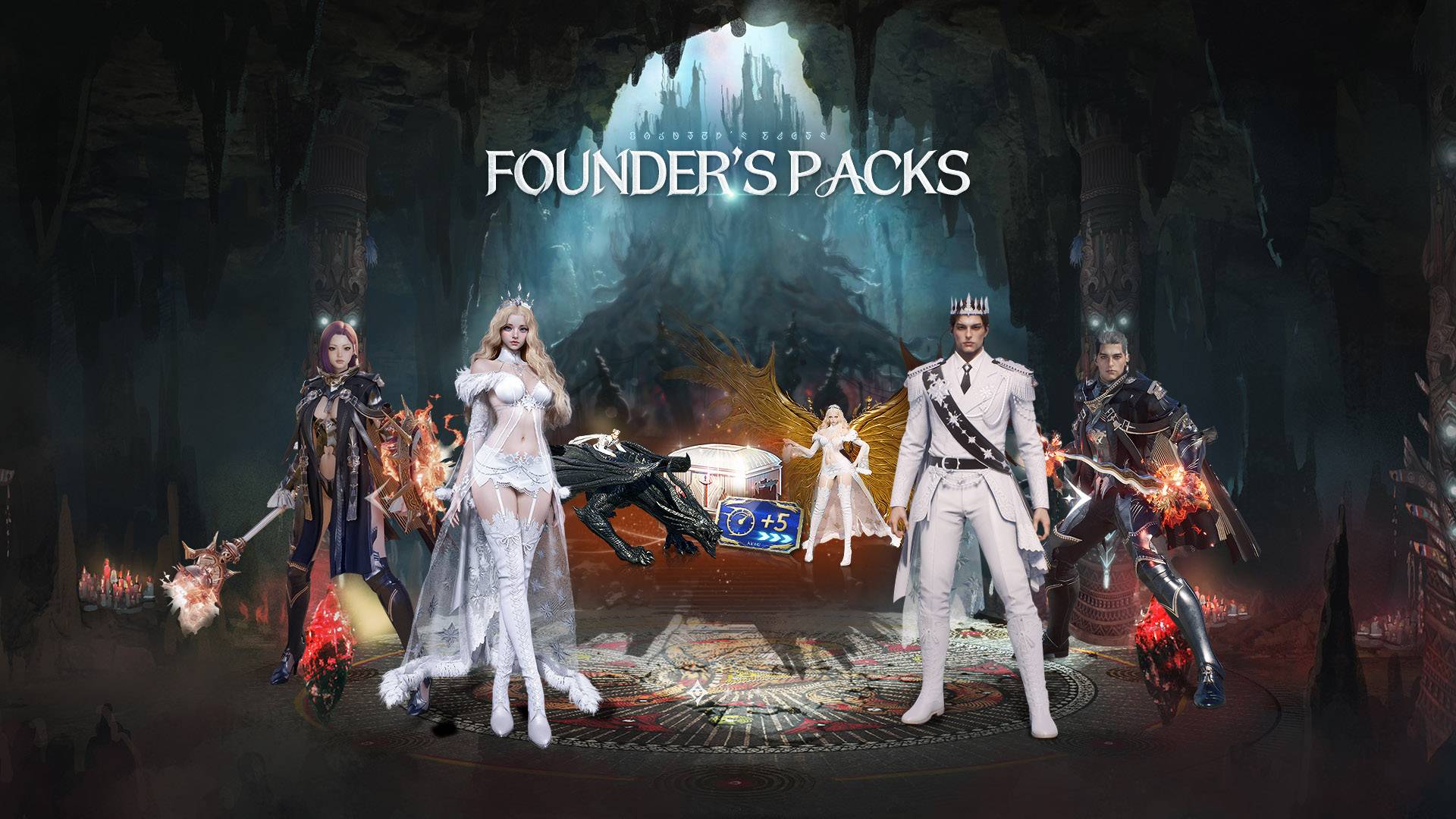
NCsoft clarified exactly what the head start entails: five days of early access before the global launch, with all systems active — auction houses, party play, server selection, and character progression. No wipes are planned between head start and launch. Founder packs range across multiple tiers, though pricing details remain tied to regional storefronts. The head start applies globally, not just in Korea, marking a shift from the staggered regional rolls of the original Aion.
For players, this means the economy and social structures will form during those five days, not after. Guilds securing land, crafters establishing supply chains, and PvP groups claiming territory will all happen before the wider player base arrives. It's a meaningful advantage, but NCsoft's decision to keep all systems live suggests confidence in server stability — something the original Aion struggled with at launch.
Guild Wars 3 Stakes: Industrial Exploitation vs. Magical Wilds
ArenaNet's story pitch for Guild Wars 3 centers on a conflict that feels deliberately timely: industrialists stripping the world's magical wilds for profit, with players holding the line. The premise moves away from the Elder Dragon cycle that defined the first two games toward a more grounded, human-driven threat. No release date yet, but a fall 2027 beta window gives the studio roughly two and a half years to deliver.
The shift matters. Guild Wars 2's living world model kept players engaged for a decade, but its narrative arcs often felt disconnected. A central conflict rooted in resource extraction and ecological collapse gives the sequel a clearer thematic throughline — and one that resonates with current player sensibilities. Whether that translates to gameplay systems (territory control? dynamic resource nodes?) remains the open question.
Legends of Aria Returns, SpiritVale Scrambles
Meanwhile, the Legends of Aria reboot — now called LOA Eternal — has opened playtesting to all prior backers. It's a rare second chance for a game that shut down in 2023, and the "prior owners only" gate suggests the team wants committed testers over curiosity-driven traffic. SpiritVale, which hit 20,000 concurrent players at launch, is hiring a backend developer to fix an auction hall broken by economy-wrecking bots. The apology post was direct: the launch was rocky, they're fixing it, and they're not walking away.
Both cases illustrate the new reality for indie MMOs: launch isn't a finish line, it's a checkpoint. SpiritVale's bot problem is a scaling issue that only real player volume exposes. LOA Eternal's revival depends on proving the original's core systems — skill-based progression, player housing, non-combat roles — can sustain a population long-term.
The Early Access Treadmill Keeps Speeding Up
Scan the full testing list and a pattern hardens: dozens of MMOs now live in permanent early access. Ashes of Creation remains in early access with its entire staff reportedly laid off and the project in limbo. Chrono Odyssey pushed its launch to 2027 after revamps. Camelot Unchained, Chronicles of Elyria, and Pantheon have been in early access or alpha for years with no clear launch path. The "malingering" label exists for a reason.
For every Aion 2 or Guild Wars 3 with publisher backing and defined timelines, there are five projects selling founder packs for games that may never reach 1.0. The model shifts risk to players — pay now, play now, hope the game finishes. It works until it doesn't.
Skepticism Warranted: Timelines Slip, Scope Creeps
Aion 2's September 2026 target and Guild Wars 3's fall 2027 beta are specific enough to be measurable, but MMO history is littered with dates that moved. NCsoft has the infrastructure to deliver; ArenaNet has the track record. But both games are attempting complex systemic designs — Aion 2 with its PvPvE integration, Guild Wars 3 with whatever dynamic world systems replace the living world model. Complexity eats schedules. The five-day head start is a commitment device for NCsoft: they can't delay the head start without refunding founder packs. That pressure helps, but it doesn't guarantee quality.
What to Watch Next
Aion 2's founder pack sales and head start performance will be the first real stress test — watch for server queues, economy stability, and whether the five-day advantage creates lasting power gaps. Guild Wars 3's next reveal should show gameplay, not just narrative framing. SpiritVale's backend hire and bot fixes will determine if its 20k concurrent peak was a flash or a floor. And LOA Eternal's backer test will reveal whether a resurrected MMO can retain the community that funded its return. The MMO pipeline is full. The question remains which games actually ship.



Comments (0)
Loading comments…