

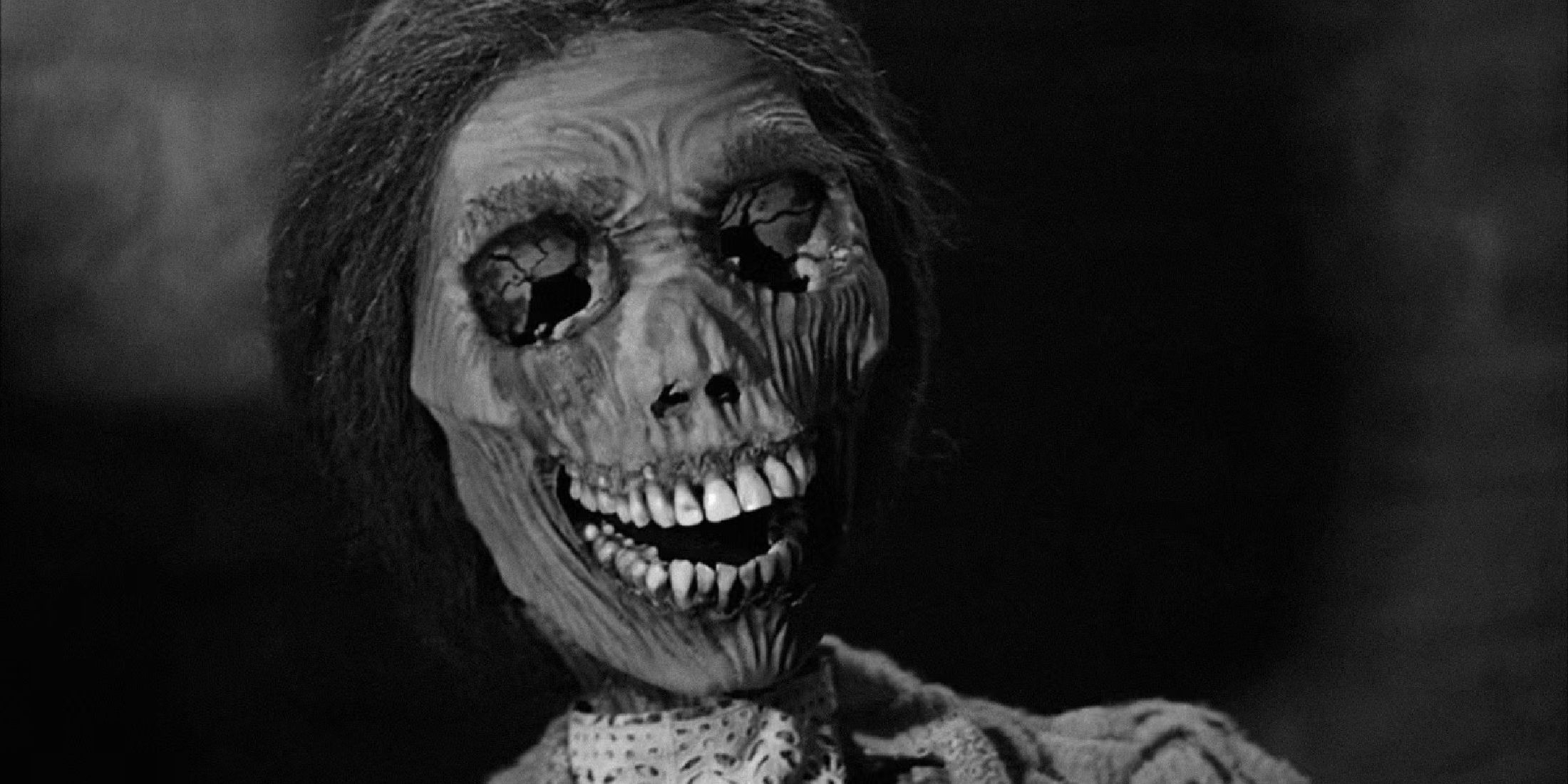
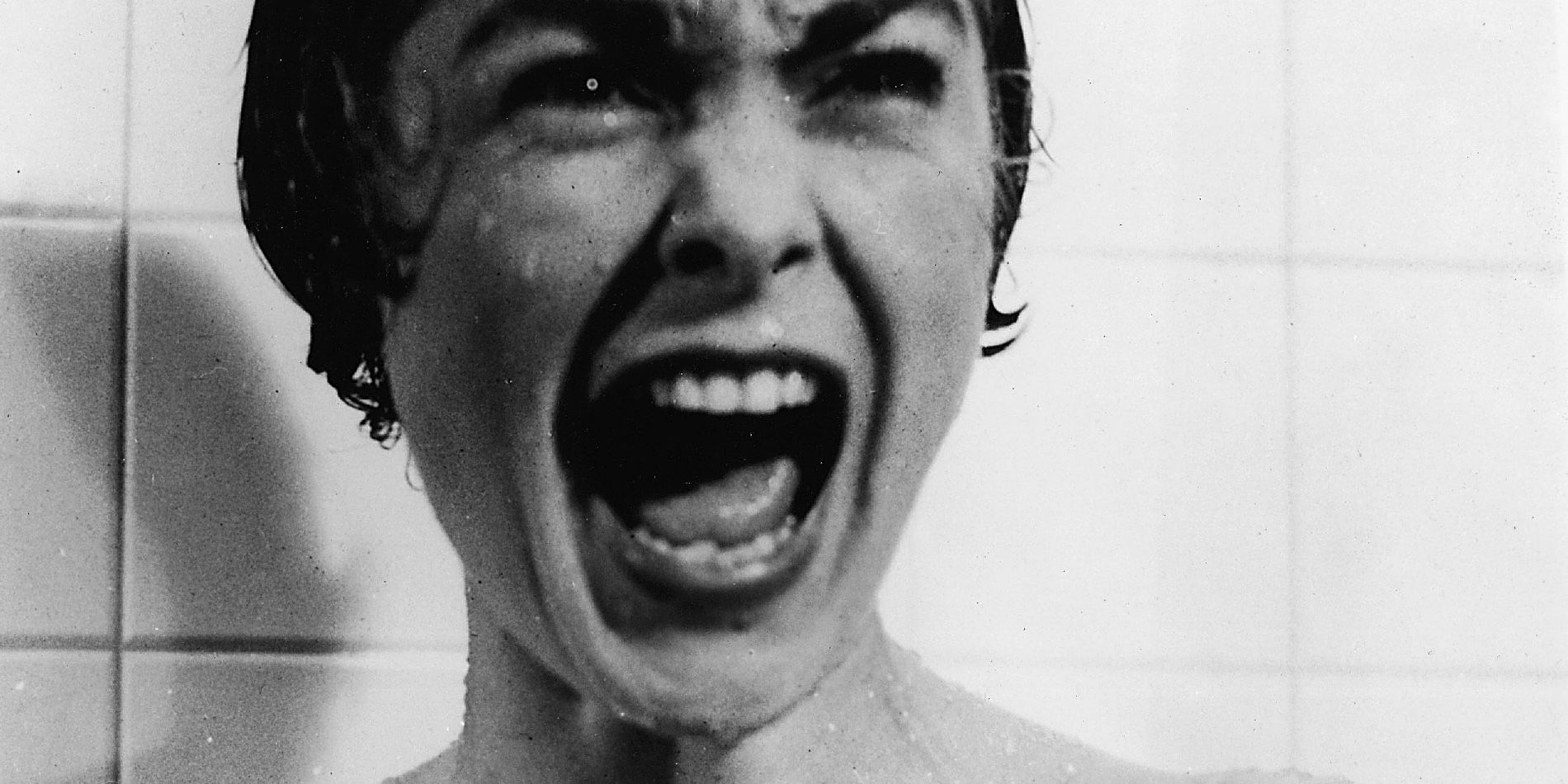
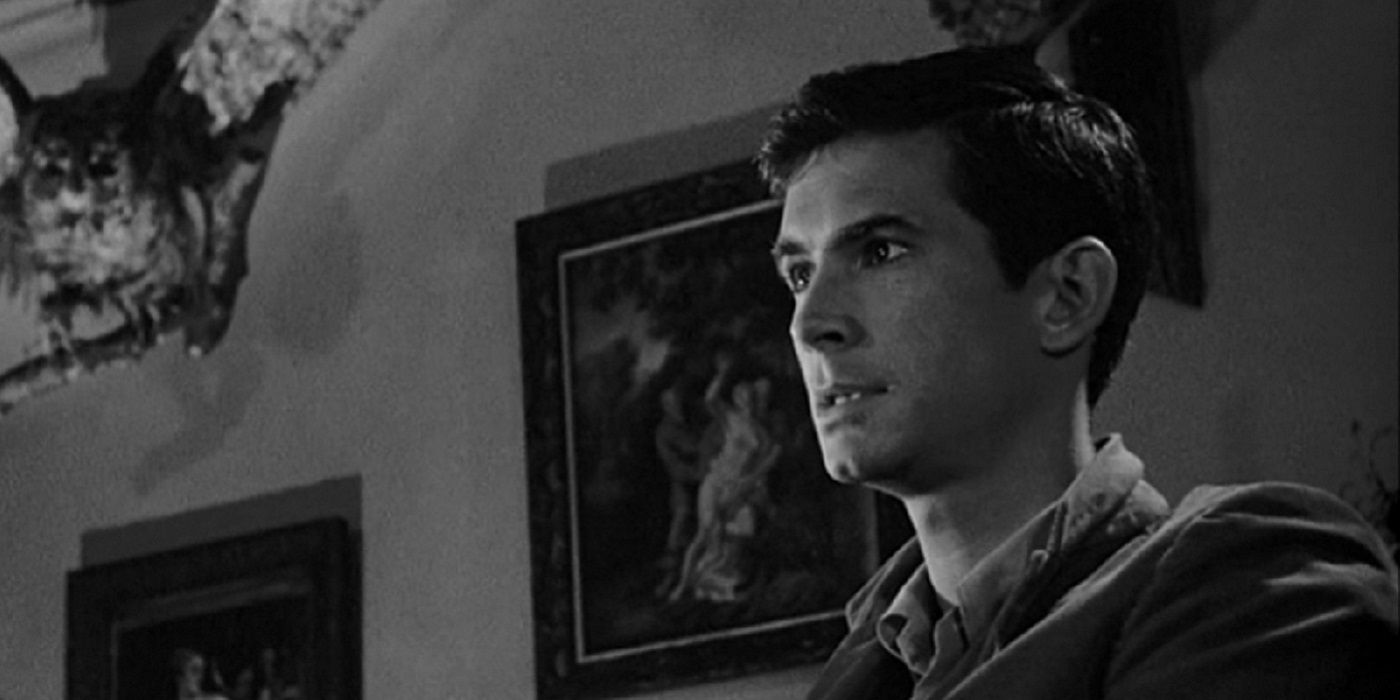
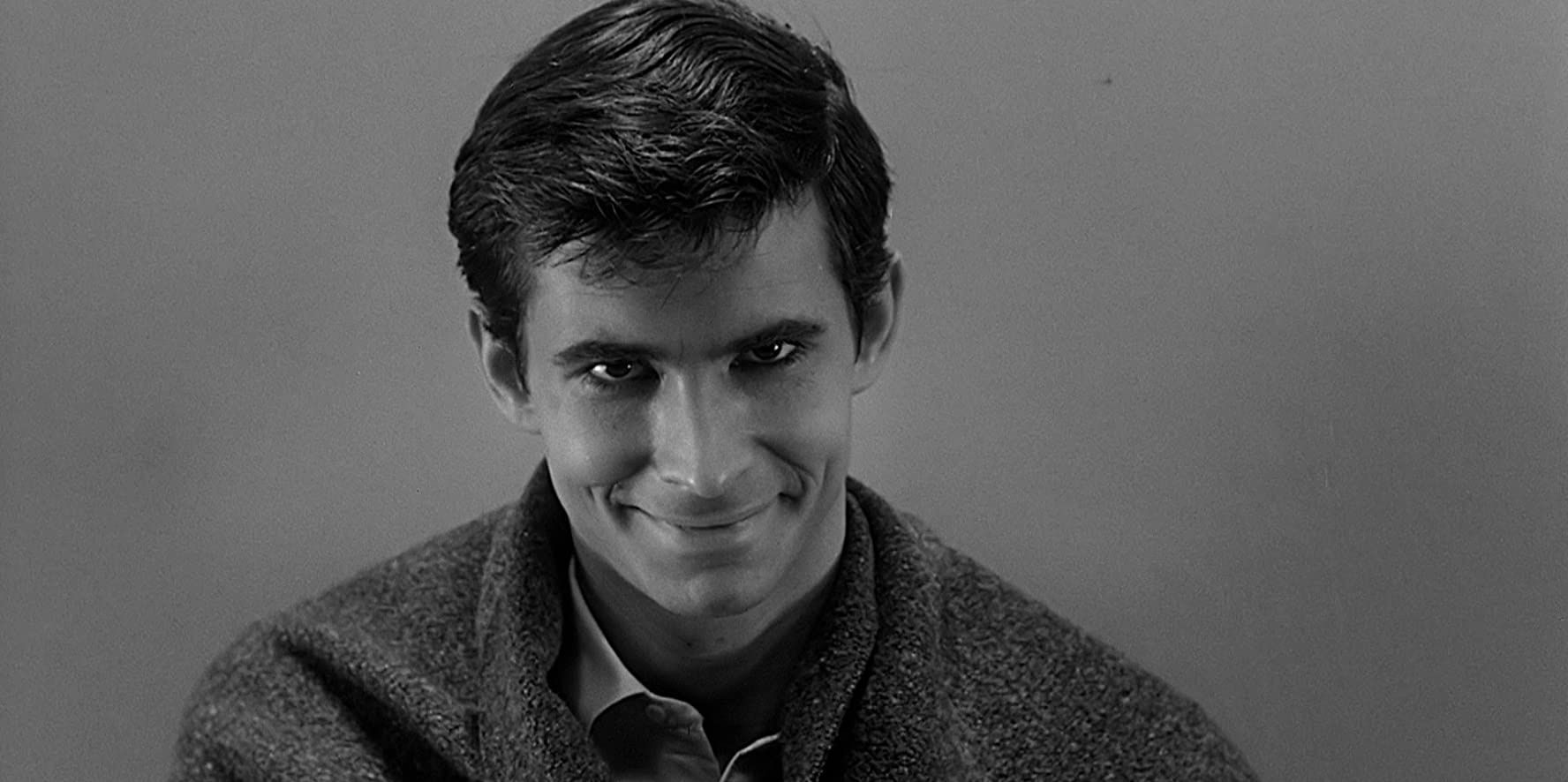
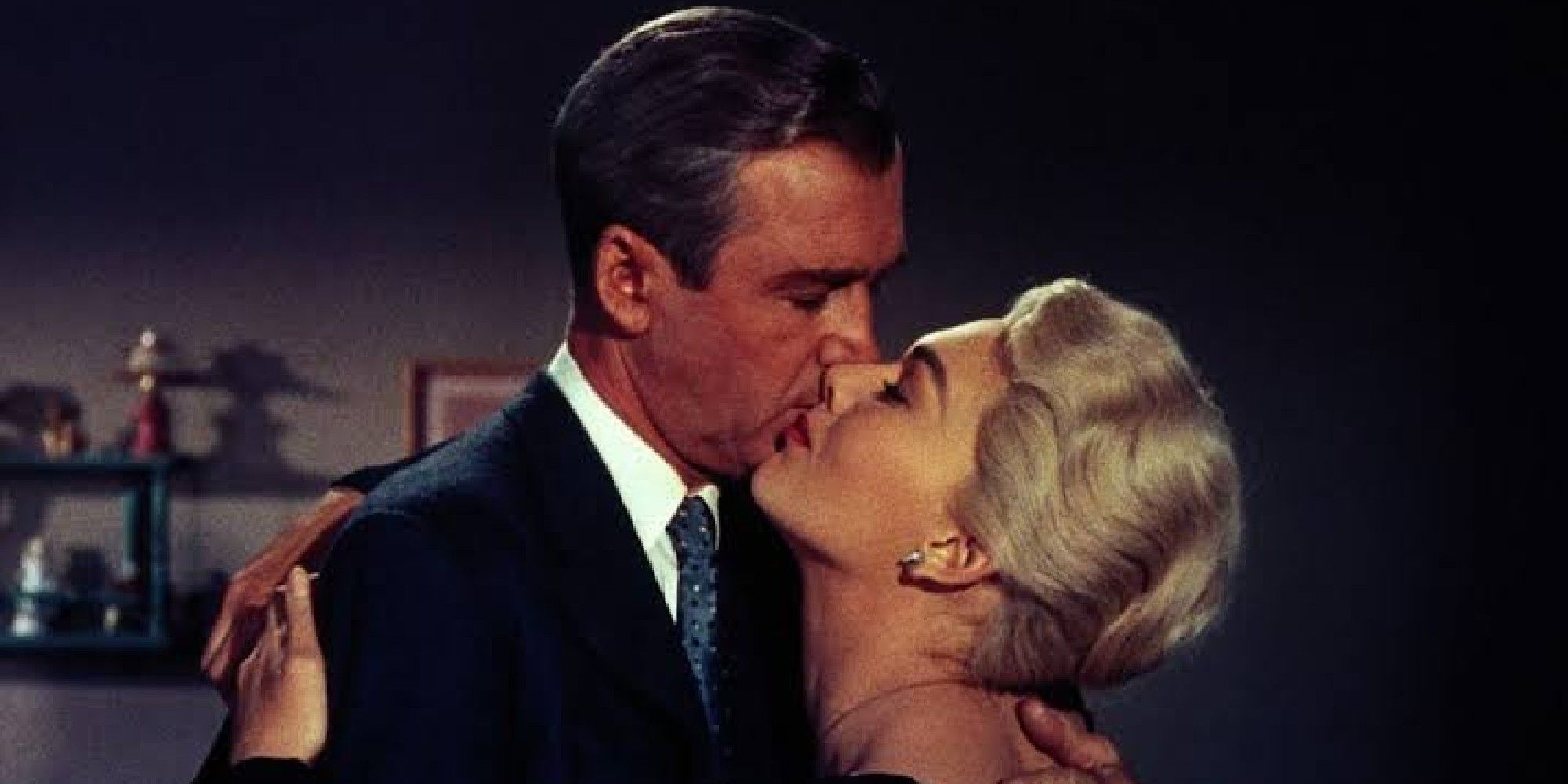
 26, 2026, 10:00 PM EDT Movies are my true calling, and when he isn't logging reviews on Letterbox, he is covering the latest happenings in the movie and TV world, with the occassional contrarian feature essay. Sign in to your GameRant account Alfred Hitchcock built his reputation on keeping audiences guessing. Across a prolific career that transformed the thriller and horror genres, he perfected the art of suspense, carefully manipulating viewers through clever camerawork, misleading clues, and iconic plot twists. Even decades later, many of his greatest reveals continue to influence filmmakers, with countless modern thrillers borrowing techniques that Hitchock mastered long before shocking endings became the norm. Hitchcock's most notable titles include Rear Window and North By Northwest, but it's his 1960 masterpiece Psycho that often dominates the conversation about his best twist ending. Psycho's infamous shower scene and Norman's reveal have become some of cinema's most iconic moments. There's really no overstating just how effective Psycho is as a horror and psychological thriller, but Hitchcock arguably created a better twist ending only two years earlier in Vertigo. Rather than simply shocking audiences, Vertigo' s twist completely recontextualized everything that came before and set the blueprint for psychologically complex thrillers. Vertigo is 129 Minutes of Pure, Haunting Suspense Released in 1958, Alfred Hitchcock's Vertigo follows former San Francisco detective Scottie Ferguson (James Stewart), who leaves the police force due to his debilitating fear of heights. When Gavin, his former acquaintance, hires him as a private investigator, Scottie follows Gavin's wife Madeleine to check in on her increasingly strange behavior, which is so far suggesting that she may be possessed by the spirit of a long-dead ancestor. While watching from the sidelines, Scottie slowly falls in love with Madeleine, only to watch her seemingly fall to her death from a church bell tower as his vertigo prevents him from stepping in. Vertigo's utter brilliance lies in the revelation that "Madeleine" was never actually Madeleine. Judy Barton, the woman Scottie believed had fallen in love with twice, was hired to impersonate Madeleine as part of an elaborate murder and cover-up plot orchestrated by Gavin, all done to eventually kill his real wife and have Scottie testify to the staged suicide. Rather than saving this reveal until the final minutes of Vertigo, Hitchcock lets the audience learn Judy's true identity before Scottie does, fundamentally changing the film from a mystery into an agonizing psychological drama. Every scene that follows becomes unbearable, as Scottie unknowingly tries to recreate the woman he lost, while Judy seemingly struggles with the guilt of deceiving a man she genuinely loves. Vertigo' s brilliant plot twist surprises viewers and completely changes the movie's emotional core. It's 129 minutes of pure tension, whether that comes from Madeleine's possession, Madeleine's death, or Judy's true identity. Psycho's Plot Twist Isn't As Good As Vertigo's By comparison, Psycho 's famous plot twists happen very differently. In the first major twist, Marion Crane (Janet Leigh) appears to be the film's protagonist as she flees Phoenix after stealing $40,000, only to be killed without warning in the now-iconic shower scene at the Bates Motel. Hitchcock's willingness to kill his apparent lead character less than halfway through the film was revolutionary, and the mystery surrounding Norman Bates and his mother kept audiences hooked until the final act. The revelation that Norman had been impersonating his dead mother is still one of the best movie endings of all time, and it undeniably changes the way audiences view what came before it. Once Norman's truth is revealed, every earlier interaction suddenly takes on a far more sinister meaning, while the Bates Motel itself becomes even more unsettling in retrospect. But Psycho's twist primarily reframes the film's mystery, explaining how these murders were committed and why Norman was behaving so strangely throughout the narrative. Vertigo, on the other hand, reaches far deeper. Its revelation completely reshapes how viewers see Scottie and Judy, turning what initially appears to be a supernatural story into a tragic tale of manipulation, obsession, and grief. In comparison to Vertigo' s reveal two-thirds into the movie, Psycho' s twist can often feel rushed, as Hitchcock doesn't let the audience sit with this new information for nearly as long. Every second John and Madeleine spent together felt inexplicably real despite the film's cautionary theme of romantic idealization, and Vertigo used its twist to tell a devastating tale of false love and obsession. From the beginning, audiences could see that, be it with Madeleine or Judy, Scottie was in love with a non-existent fantasy he conjured up in his head, leaving fans with a psychologically fascinating movie that serves as the perfect example why Alfred Hitchcock is considered the master of suspense. Vertigo PG Mystery Romance Thriller Release Date May 28, 1958 Runtime 128 minutes Director Alfred Hitchcock Cast See All James Stewart Det. John 'Scottie' Ferguson Kim Novak Madeleine Elster / Judy Barton Barbara Bel Geddes Marjorie 'Midge' Wood Tom Helmore Gavin Elster Powered by Expand Collapse
![House of the Dragon season 3 episode 6 ending explained: Is [spoilers] dead?](https://img.skrino.com/api/img?r2=images%2Fhouse-of-the-dragon-season-3-episode-6-ending-explained-is-spoilers-dead-hero.jpg)



Comments (0)
Loading comments…