
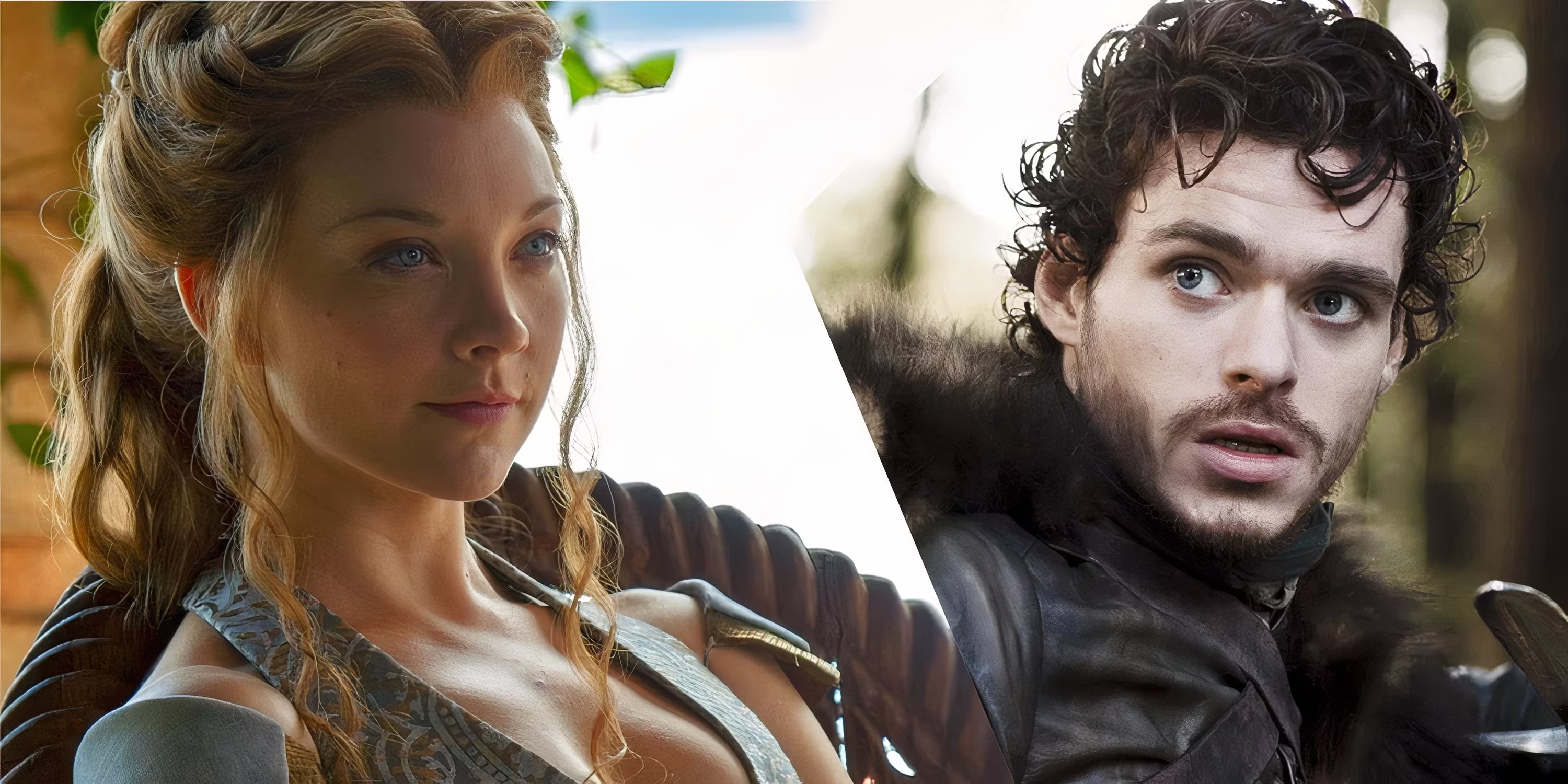
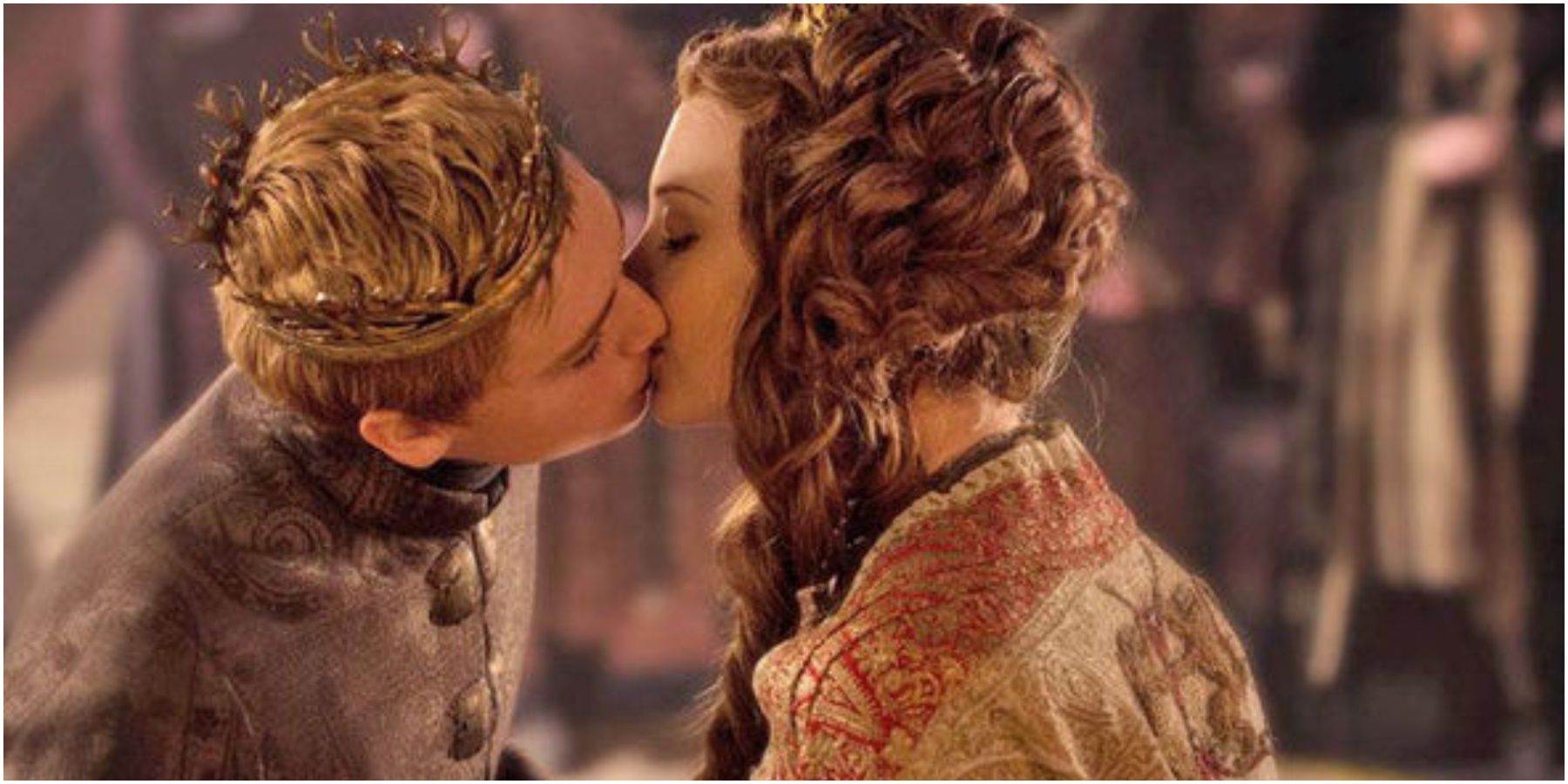


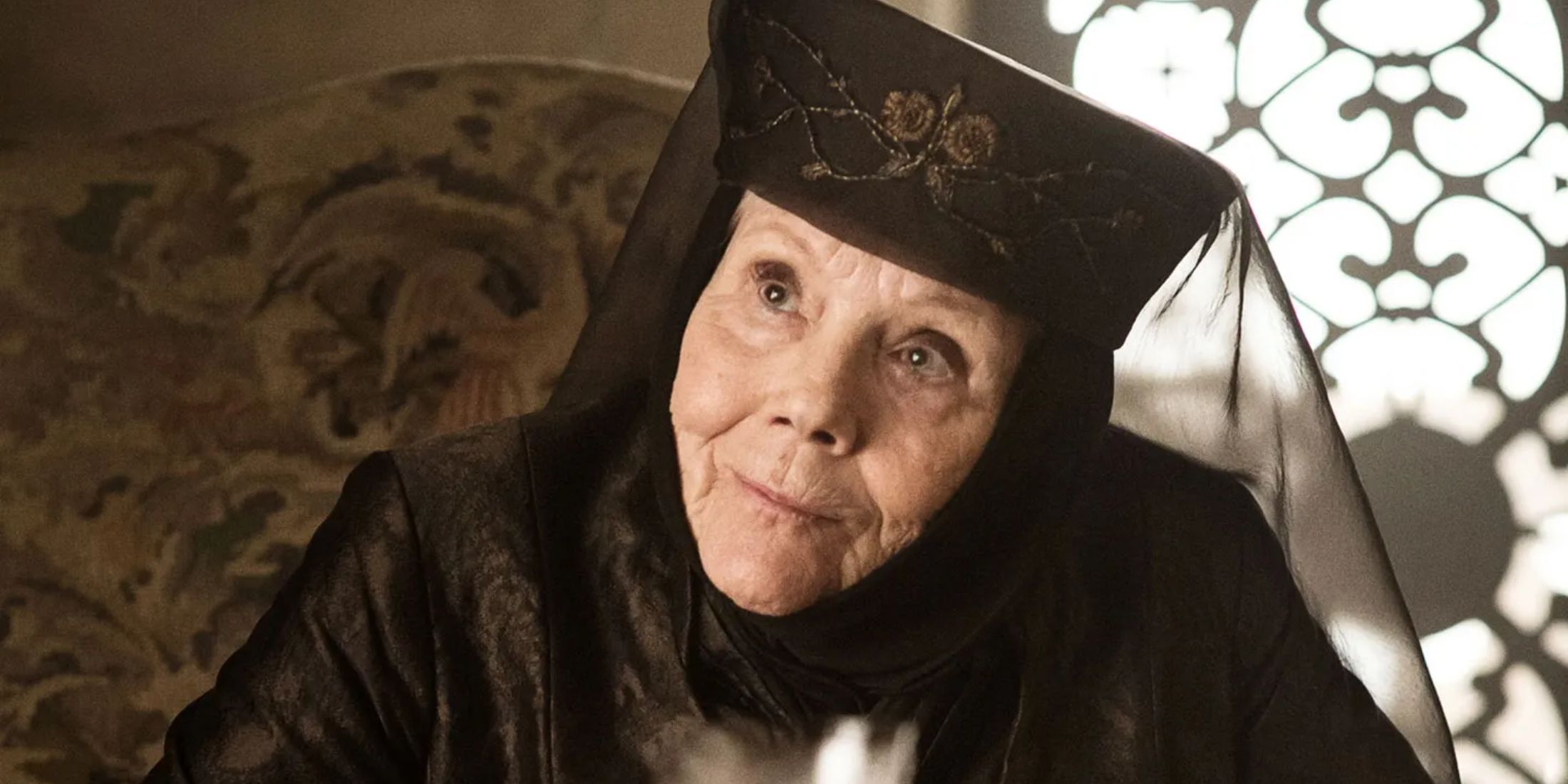
 26, 2026, 7:00 PM EDT Movies are my true calling, and when he isn't logging reviews on Letterbox, he is covering the latest happenings in the movie and TV world, with the occassional contrarian feature essay. Sign in to your GameRant account Game of Thrones ' consistent political intrigue helped cement the series as one of the most compelling fantasy shows of all time. For most of Game of Thrones, the struggle for power seemed to belong to very different philosophies: the Starks believed honor and loyalty would eventually triumph, while House Lannister relied on wealth and fear, and House Targaryen relied on birthright and political marriages. Each approach shaped the series' biggest conflicts, but none of them represented the smartest way to survive in Westeros. Operating between those extremes was House Tyrell, a noble family who understood that sometimes, the way to win is by making yourself impossible to replace. House Tyrell's rise is fascinating. While other Great Houses focused on conquering rivals or proving their legitimacy, Olenna and Margaery Tyrell built influence through alliances, popularity, and careful manipulation. They weren't perfect, and they ultimately fell victim to Cersei's unpredictability, but for much of Game of Thrones, no family understood the rules of the political game better. House Tyrell Had a Very Different Approach Interestingly, House Tyrell's modus operandi was the complete opposite of the House that came before, House Gardener, who believed in land power and warfare but refused to comply with Aegon and was therefore destroyed. Even compared to other Houses, the Tyrells operated differently. Ned Stark believed honor was its own reward, refusing to compromise even when doing so might have saved his life. Daenerys believed she was the rightful ruler by birth and was willing to rely on overwhelming military power to claim it. The Tyrells, by comparison, rarely allowed principle or conquest to cloud their judgment. They understood that power in Westeros came from relationships, perception, and compromise as much as it came from armies and swords. House Tyrell also differed significantly from the Lannisters. Tywin's family maintained control through fear, enormous wealth, and a willingness to eliminate anyone who threatened them. The Tyrells possessed many of the same advantages: they enjoyed immense wealth, controlled the Reach, the most fertile area in all of Westeros and one of the most densely populated, and commanded one of the largest armies in Westeros. However, they never relied on brute force. Instead, they used marriage, diplomacy, and charm to secure influence. Even if a Tyrell didn't end up on the Iron Throne, they wanted to make sure whoever occupied it would depend on them. Mace Tyrell was their leader, but he was merely a face, and the matriarch, Lady Olenna Tyrell, was the strategist and de facto leader of the House. The Tyrells' Excelled Because of Their Leaders Unlike Cersei Lannister, who viewed the smallfolk as subjects to be controlled, Ned Stark, who wrongly trusted Littlefinger, Daenerys, who relied on immense strength, or Tywin, who ruled through fear, House Tyrell was different. Olenna displayed a masterful ability in subtle political maneuvering. She preferred private conversations, strategic marriages, and carefully timed interventions over marching armies or public threats. Even her role in Joffrey's assassination reflected House Tyrell's broader philosophies: instead of confronting the dangerous king directly, she quietly removed him while protecting her family's position. Her lack of devotion to one ruler, as well as her unorthodox methods, were what differentiated Tyrell from everyone else, and nowhere is this more evident than in the War of the Five Kings. At first, Tyrell supported Renly Baratheon's claim to the Iron Throne, and thus blocked the Reach's food from getting to King's Landing. This struck a massive blow, as the decreasing rations as well as the influx of refugees meant the city was in a period of unrest with no soldiers. Margaery was wedded to Renly, but after his assassination, House Tyrell changed allegiances and supported Joffrey. Normally, the Tyrells might have been heavily rebuked for their previous betrayal, but their significance allowed Margaery to be married off to the king, forging an alliance between the two Houses. Tyrell did not mourn or try to avenge the death of Renly, but instead re-evaluated the best of course of action and decided on which would elevate them. Margaery similarly understood that public support could become a source of political power. She visited orphanages, donated food to the poor, and cultivated a genuine image of compassion, earning the affection of King's Landing long before she became queen. At the same time, she carefully adapted her personality depending on whether she was speaking to Renly, Joffrey, Tommen, or the High Sparrow, demonstrating an ability to read people that few in the show could match. Throughout Game of Thrones, the Tyrells consistently solved problems by influencing events from behind the scenes. However, after shifting their allegiances to Joffrey, Olenna and Margaery realized their mistake: the harm he might bring on his wife and the difficulty in manipulating him for their own gains. That's when Olenna and Littlefinger orchestrated Joffrey's assassination and pinned it on Tyrion, allowing Margaery to marry the younger, kinder, and more impressionable Tommen Baratheon. House Tyrell's Greatest Strength Was Also Their Biggest Weakness While this was ultimately a success, their biggest weakness came from their greatest strength. Olenna and Margaery understood the game better than anyone, but they assumed everyone else would play by the rules. Alliances, reputation, diplomacy, and public opinion were forms of currency in Westeros, and yet Cersei Lannister completely shattered that assumption. By destroying the Great Sept of Baelor, she abandoned politics altogether, choosing overwhelming violence instead of negotiation or manipulation. It was more of a rejection of the political system than a political move in itself. The Tyrells weren't successful, but that doesn't diminish their understanding of the game, since they only lost because they faced an opponent who stopped playing the game entirely. Even David Benioff, a co-creator of Game of Thrones, said: The Tyrells are not known for being fearsome warriors. Fighting isn't their forte This statement serves as a justification for the loss and subsequent extinction of the House at the Sack of Highgarden. George R. R. Martin's books treat House Tyrell differently; the family has four children, instead of two like in Game of Thrones, and they have also infiltrated every level of state and gained a strong presence in King's Landing, with Mace even becoming the King's Hand. One of the biggest lessons the show taught was that winning the game and understanding it were two very different things. House Tyrell spent years building influence through diplomacy, popularity, and alliances, and their eventual downfall says less about the weakness of their strategy and more about Cersei's willingness to abandon the rules completely. For most of Game of Thrones, no one knew how to better play the game than the Tyrells. Game Of Thrones TV-MA Drama Action Adventure Fantasy Release Date 2011 - 2019-00-00 Showrunner David Benioff, D.B. Weiss Directors David Nutter, Alan Taylor, D.B. Weiss, David Benioff Writers D.B. Weiss, George R.R. Martin, David Benioff Franchise(s) Game of Thrones 10 Images Cast See All Kit Harington Jon Snow Isaac Hempstead Wright Brandon Bran Stark Powered by Expand Collapse





Comments (0)
Loading comments…