
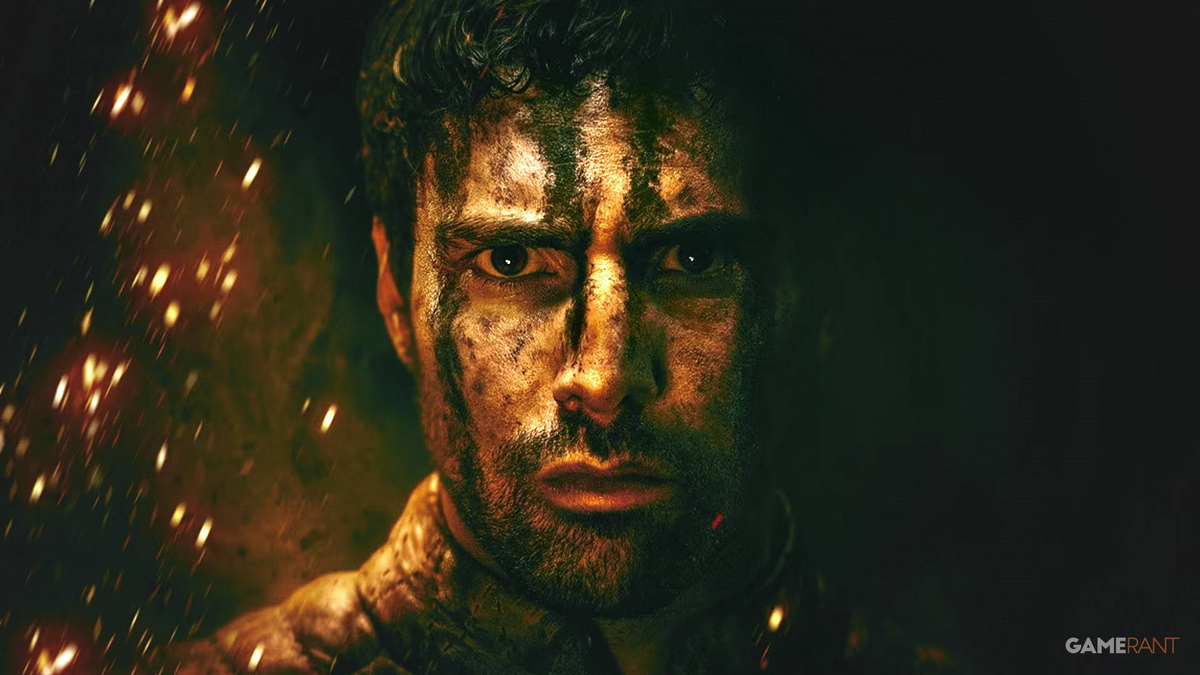
House of the Dragon's third season just turned Criston Cole's boldest boast into a meme, and the show only has itself to blame. When Cole declared himself "the realm's greatest warrior" in Season 3, Episode 5, the line landed with a thud — not because Fabien Frankel delivered it poorly, but because the adaptation has spent three seasons quietly dismantling the very resume that made that claim believable in George R.R. Martin's Fire and Blood.

The Moment That Broke the Internet
The scene plays straight: Cole, now Hand of the King and commander of the Green armies, outlines a simple plan to end the Dance of the Dragons. He frames it with absolute confidence — "I'm the realm's greatest warrior" — and the show treats it as a character beat, not a punchline. Viewers disagreed. Across social media, the quote instantly became shorthand for the gap between who the show says Cole is and who it's actually shown him to be. Show-only fans found it unearned. Book readers found it ironic. Both groups memed it.
What the Books Gave Him — and the Show Took Away
In Fire and Blood, Cole's reputation isn't told; it's built. His introduction comes at the tourney for Viserys I's accession, where he defeats Daemon Targaryen cleanly — no asterisks, no Daemon-turning-away caveat. The show's very first episode softens that win by having Daemon appear victorious before a technicality hands Cole the match. From there, the disparities compound.
The wedding tourney for Rhaenyra and Laenor is where the book version of Cole becomes terrifying. He breaks Ser Harwin Strong's collarbone and shatters his elbow — Harwin, described as the strongest man in the Seven Kingdoms. He mortally wounds Joffrey Lonmouth, Laenor's favored champion, cracking his helm with a morningstar. Joffrey lingers six days before dying. The show rewrites both: Harwin beats Cole in a training yard brawl provoked by Cole's manipulation, and Joffrey dies from a beating during the feast, not a tourney tilt. The martial clarity is gone. What remains is a man who wins through cruelty and circumstance, not overwhelming skill.
The Kingmaker Who Didn't Make Kings
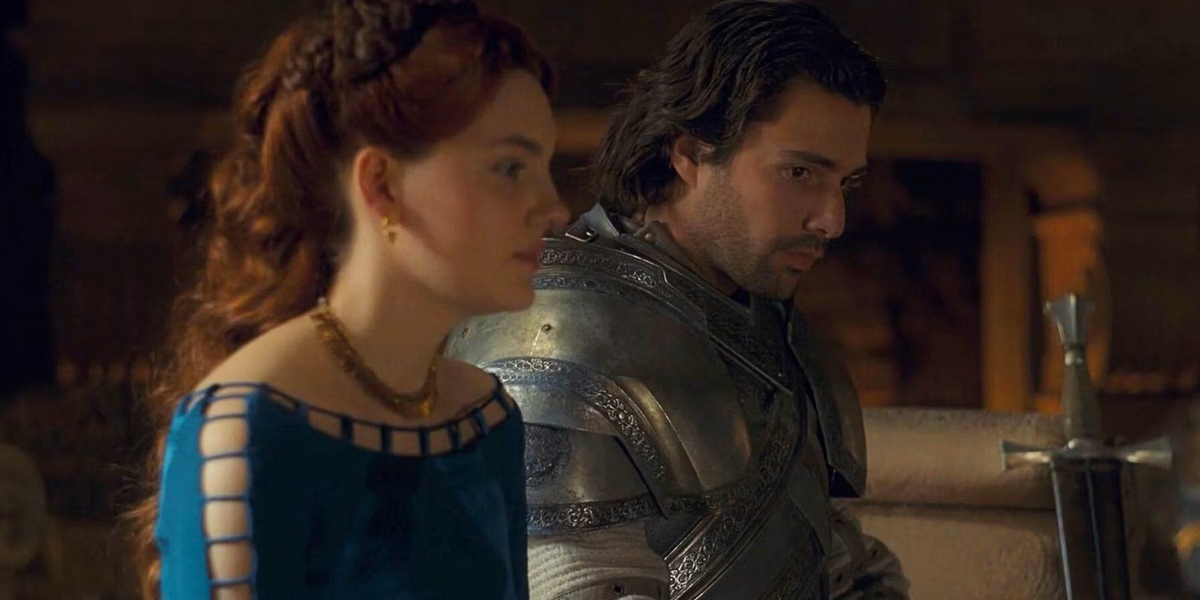
Cole's political stature suffers similar erosion. Martin's text calls him "a breaker of hearts and a maker of kings" — the Kingmaker who drives the Green Council, persuades Aegon II to take the crown, and personally places it on his head before the people of King's Landing. The show hands those beats to Otto and Alicent. Otto plans the accession. Alicent interprets Viserys's dying words. Cole finds Aegon and crowns him, but he's a functionary, not the architect. Later, as Hand, he nominally commands the Green army while Aemond increasingly calls the shots. The titles remain; the agency doesn't.
Why This Matters for the Endgame
All of this weakens what should be Cole's defining moment: the Butcher's Ball. In the book, his death is deliberately anticlimactic. Surrounded by a superior Black force, he offers surrender for his men, then challenges three enemy commanders to single combat. He never gets the chance — arrows cut him down, and one commander sneers, "I'll have no songs about how brave you died, Kingmaker. There's tens o' thousands dead on your account." The tragedy works because readers know exactly what Cole was: a genuine legend denied a legend's exit.
The show's version risks undercutting that. If Cole was never convincingly the greatest warrior, his denied warrior's death loses its sting. Episode 6, premiering July 26, teases extended combat at the Butcher's Ball — a chance to restore some stature before the end. But a heroic last stand would betray the point of Martin's scene, which rejects romanticized warfare entirely.
Where the Adaptation Succeeds
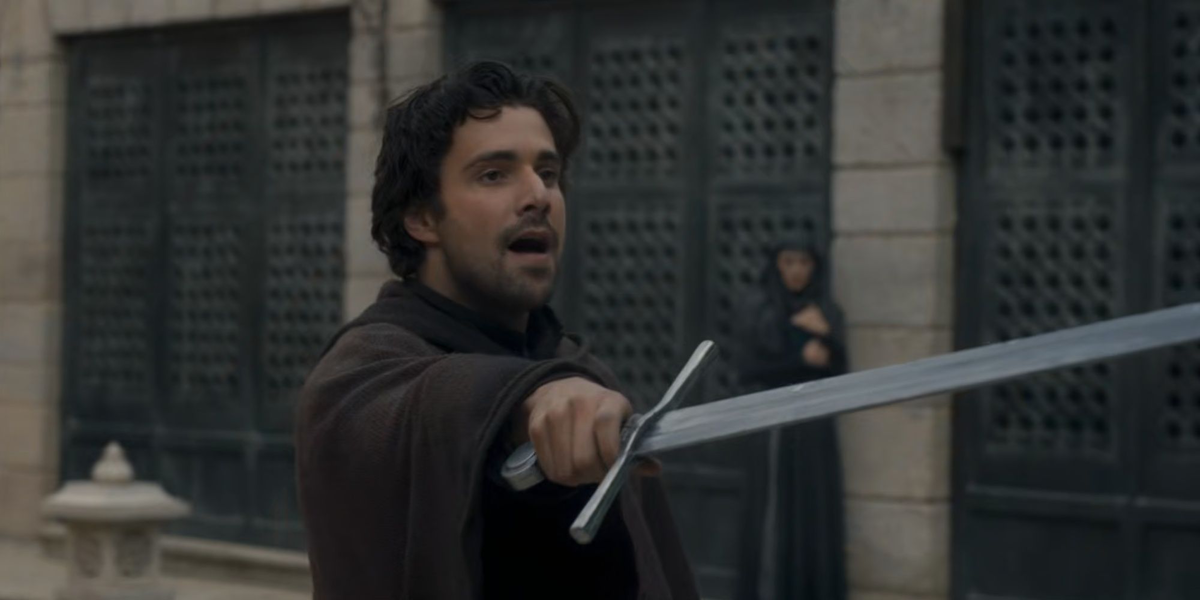
To be fair, the show's Cole has something the book's doesn't: interiority. Frankel plays a man rotting from guilt after Rook's Rest, visibly exhausted by a war he helped start but doesn't believe in. The book's Cole is a figure in conflicting histories; the show's is a person. That emotional depth is real, and it's the adaptation's most consistent strength. But depth without the foundation of competence creates a different problem — a tragic figure who feels tragic for the wrong reasons.
What to Watch For
Episode 6 will reveal whether the show can thread the needle: giving Cole a final combat sequence that feels earned without turning the Butcher's Ball into the very glorification Martin wrote to dismantle. The meme won't go away — it crystallized a frustration three seasons in the making. But if the ending lands, it might reframe the boast not as delusion, but as a man trying to convince himself of a truth the show never let him prove.
Comments (0)
Loading comments…