
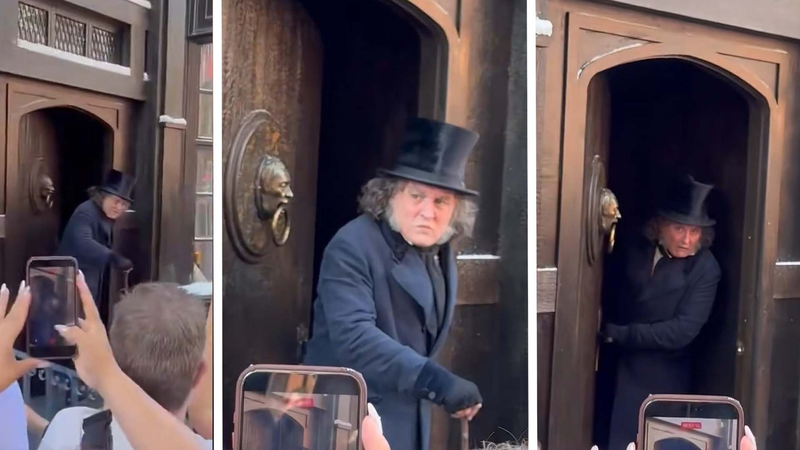
Johnny Depp showed up at San Diego Comic-Con in July wearing a full Ebenezer Scrooge costume to promote Ebenezer, a Christmas Carol prequel nobody asked for. The film's tagline — "Before he was Scrooge, he was…" — trails off into the same existential void that swallowed Hollywood's creativity whole.
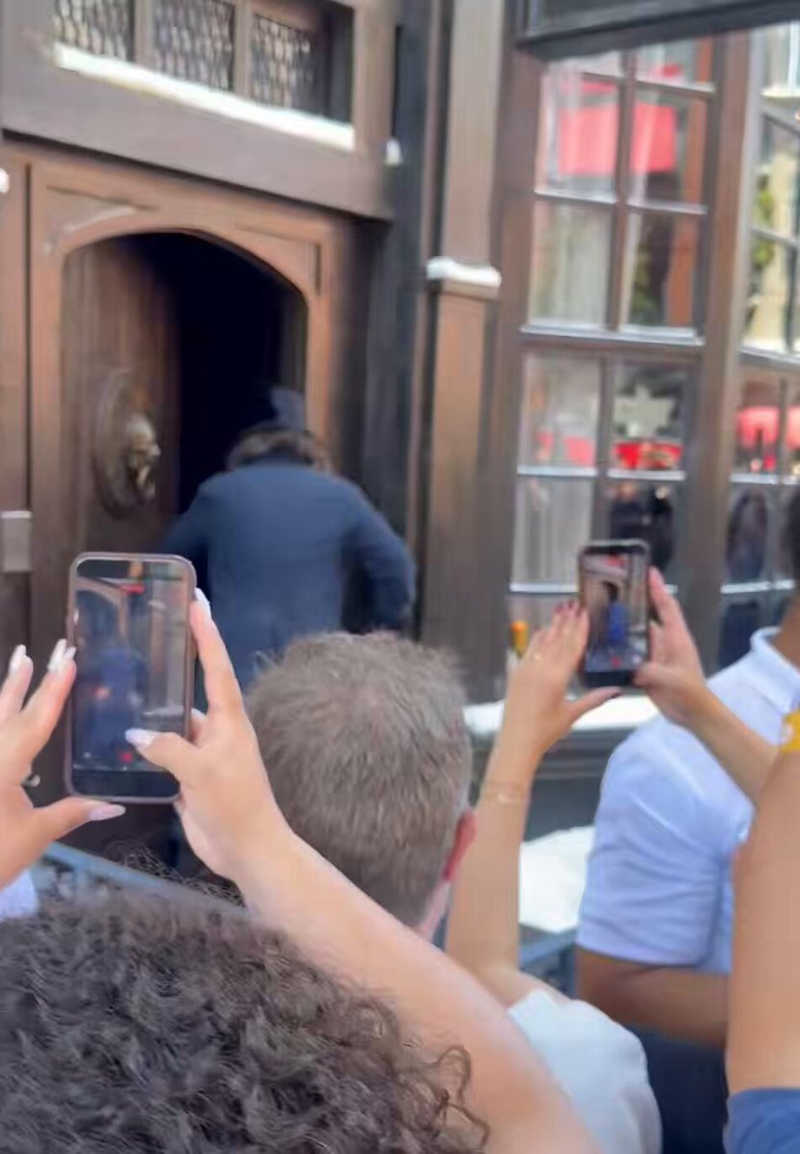
The actor, currently staging a comeback tour after his 2022 defamation victory against Amber Heard, stood outside a fabricated counting house set and muttered "Humbug" in a British accent that sounded like a middle-school play. A crowd gathered. Someone screamed "He said it!" The internet did what it does best: watched, clipped, and winced.
Johnny Depp surprises fans at SDCC in costume as Ebenezer Scrooge to promote his new film ‘EBENEZER’.
 View on X →
The Movie That Exists Because Wonka Made Money
Ebenezer is the direct descendant of Wonka's surprise box office success. Studios saw a musical prequel about a public domain character print money and immediately asked: who else fits the template? Scrooge wears a top hat. He has a famous name. He's free to use. Greenlight.
This is IP mining at its most cynical. Not adaptation — excavation. Hollywood isn't telling new stories; it's strip-mining cultural touchstones for origin stories that dilute the very mystery that made them endure. Scrooge's power lies in his transformation, not his backstory. We don't need to know why he hates Christmas. The hate is the point.
A Comeback Vehicle With No Vehicle
Depp's appearance reveals the uncomfortable mechanics of celebrity rehabilitation. No Pirates of the Caribbean return. No Star Wars call. No major studio willing to put his bare face on a poster. Instead: old-age makeup, winter layers in July, and a character defined by miserliness — an awkward metaphor for an industry squeezing every drop from a dying star.
He later crashed a Zach Cregger panel unrelated to the film, lingering like a ghost at his own wake. The disconnect was palpable: a horror filmmaker discussing craft while a once-bankable star cosplayed public domain IP for a movie that feels like a Simpsons joke about Krusty the Clown's career death spiral.
The Convention That Became a Content Farm
Comic-Con used to be where fans celebrated comics. Now it's where studios deploy actors as living billboards. Depp's Scrooge stunt wasn't for the Hall H faithful — it was for TikTok, for X, for the engagement economy that measures relevance in views rather than tickets sold. The crowd's reaction — half genuine excitement, half confused participation — perfectly encapsulates modern fandom: we cheer because we're supposed to, because the moment demands it, because the algorithm rewards the clip.
Somebody Bought a Ticket
Fairness demands acknowledgment: people showed up. They filmed. They cheered. Depp still commands attention, and for a segment of the audience, that's enough. The "He said it!" guy wasn't performing — he was experiencing a moment. Cynicism is easy; connection is real. But connection to what? A prequel that shouldn't exist? An actor playing a character playing a character? The layers of artifice stack until the original human disappears.
Christmas in July, Hell Year-Round
Ebenezer arrives in theaters this holiday season, assuming the marketing blitz survives its own absurdity. The real question isn't whether it'll make money — Wonka proved the model works. The question is how many more public domain icons get the origin-story treatment before the well runs dry. Sherlock Holmes' childhood? The Little Match Girl's supply chain? At this rate, we're two years from a gritty Rudolph prequel about reindeer labor disputes.
Depp will collect a paycheck. The studio will chase opening-weekend numbers. And next July, another actor will don another costume to promote another movie nobody wanted, while the rest of us wonder when the culture stopped creating and started only remembering.
Johnny Depp surprises fans at SDCC in costume as Ebenezer Scrooge to promote his new film ‘EBENEZER’.
View on X →
Comments (0)
Loading comments…