
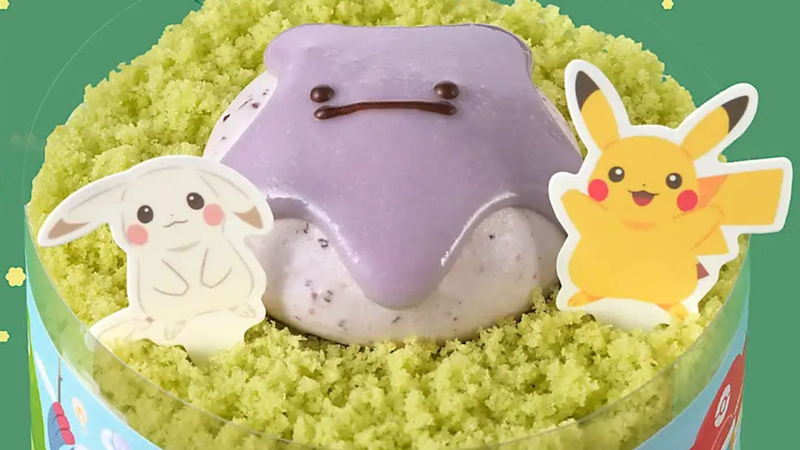
Yes: Pokemon fans in Japan can get a limited-time blueberry yogurt Ditto cake from Ginza Cozy Corner when the July 31 collab opens. The single-serving dessert is shaped like the smiling Morphing Pokémon, with blueberry sponge, blueberry jam, blueberry-flavored cream, and a glossy glaze that makes it feel like a snack-sized collectible.
The limited run runs from July 31 until around August 26, and the Ditto cake costs ¥777, or about $4.74. The same collab also includes a nine-piece Petit Cake Collection for ¥3,564, or about $21.76, so this is not just one cake drop. It is a whole tiny bakery event built around the weirdest mascot in the entire franchise.
A Pokopia collab gives Ditto a summer snack arc
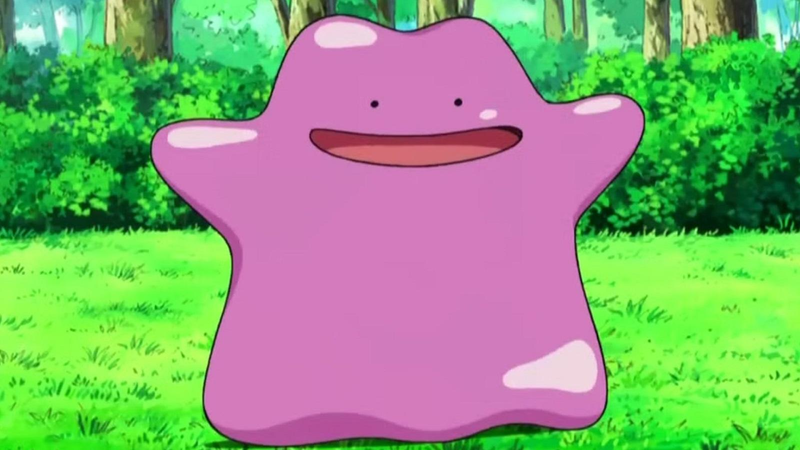
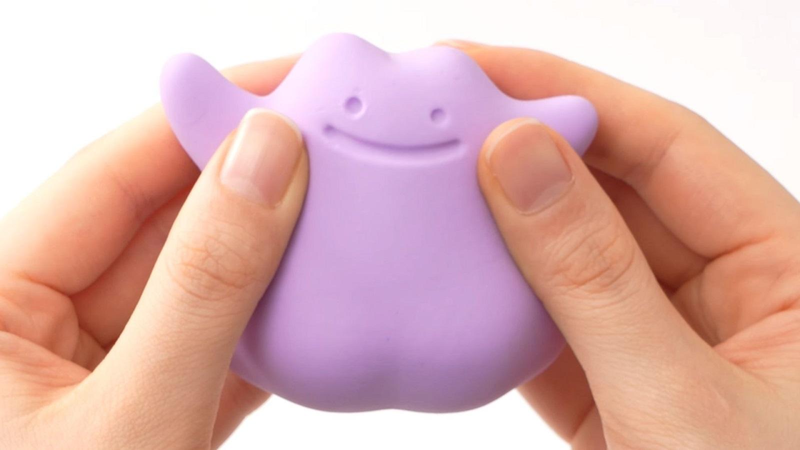
Ditto has had a very public year, from pink-hued station activations to squishy toys that change expression when squeezed and a talking plush that turns the franchise's most forgettable encounter into a character with personality. This cake collab gives that campaign a physical, edible payoff: not just a toy to hold, but a dessert to photograph, post, and argue about online.
It also fits the seasonal rhythm of Pokemon merchandising. Summer is when the franchise leans into travel, festivals, limited-time snacks, and collectible food that feels like something you only get if you happen to be in the right place at the right time. A blueberry dessert is practical for warm weather, but the real reason it works is emotional: Ditto is soft, strange, and instantly recognizable.
The menu is basically a tiny Pokopia expansion
The headline item is the blueberry yogurt Ditto cake, but the broader lineup is where the collab gets more playful. The nine-piece Petit Cake Collection is inspired by Pokopia, the relaxing spinoff where Pokemon become furniture, accessories, and domestic little disasters. That is exactly the right tone for a dessert box: cozy, collectible, and slightly unhinged in the best way.
- Blueberry cream Ditto tart: the obvious companion to the main cake, doubling down on the fruit-forward flavor.
- Squirtle cake: orange whipped cream and a soda glaze make it feel like a summer party dessert.
- Bulbasaur cake: pistachio whipped cream gives it a greener, more delicate profile.
- Pikachu banana roll cake: the familiar face gets a classic roll-cake treatment.
- Ditto larping as Lapras: the funniest item in the box, served on a bed of soda-flavored jelly.
The collab also includes three baked gift sets, which are doing more merchandising than dessert work. The Eevee Friends Box hides surprise artwork inside the packaging, the Party Box has interactive moving parts that reveal hidden Pokemon, and the collectible Pikachu tin is packed with cookies, financiers, and madeleines.
That matters because these items are not just being sold as food. They are being sold as little ritual objects: open the box, find the surprise, take the picture, save the tin, post the haul. The cake is edible, but the whole lineup behaves like a physical drop for a game you cannot fully play unless you are standing in front of a bakery shelf.
Why Ditto, and why food, makes sense
The obvious winners are fans who can turn a summer trip or bakery stop into a tiny Pokemon event. Ginza Cozy Corner gets a limited collab that is small enough to feel exclusive and easy enough to produce as a seasonal run. The bigger winner is Ditto itself, which is not built around a signature move or origin story, so toys, snacks, and visual gags keep it useful as a brand mascot.
Pokemon's food strategy has become one of the strangest, most reliable forms of character marketing in gaming. Instead of asking everyone to stare at a box art image, the franchise can place a Pikachu roll cake, Lapras tart, or island-inspired ice cream somewhere people already visit: a bakery, a train station, or an ice cream shop. That turns a game property into ambient culture.
The Animal Crossing and Baskin-Robbins collab worked for the same reason. Both franchises sell themselves through cozy rituals, not just mechanics. A cake shaped like Ditto fits that world because it is less about power and more about possession: the joy of finding something cute, limited, and slightly impossible in the real world.
The catch: it is adorable, exclusive, and gone fast
The less obvious loser is convenience. A ¥777 cake is not expensive for a themed dessert, but it is only useful if you are in Japan during a narrow window. That is the tradeoff with Pokemon food collabs: the best ones feel like real-world event content, but they often disappear before anyone who wants them can plan around them.
There is also a limit to how charming this can be when the product is basically collectible food with a face. Limited drops can make a dessert feel special, but they can also flatten Pokemon into snack packaging and make fandom participation dependent on travel, timing, and impulse spending. The best part of Ditto is its flexibility; the worst part of this collab is that even the cake has an expiration date.
What to watch next
What to watch next is whether this stays Japan-only or gets translated into something more global. A cake shaped like Ditto is exactly the kind of soft, instantly legible merch that could travel well, especially if the design leans into the blueberry flavor rather than just the pink-and-purple silhouette.
If fans get one, the next question will be inevitable: can the bakery survive a Vaporeon tart, Mew pudding, or the official blueberry cake everyone is now waiting for? The real impact is not the price or the flavor. It is that Pokemon keeps proving it can turn a simple dessert into a tiny piece of shared fan culture.
Comments (0)
Loading comments…