

The Best Minivans of 2026 and 2027 Are Hybrids That Don't Compromise on Space or Smiles

Minivans aren't the sexiest vehicles on the road, but for families who need real space—seven or eight seats, cargo room for a weeklong trip, and doors that slide open in tight parking lots—nothing else comes close. The 2026 and 2027 model years have brought a new wave of minivans that blend efficiency, tech, and driving dynamics, with hybrids leading the pack. The top picks right now are the Toyota Sienna, the Kia Carnival Hybrid, and the Honda Odyssey, each offering a different flavor of family hauling.
The Toyota Sienna stands out because every single model comes standard with a hybrid powertrain, making it the fuel-economy king of the segment. The Kia Carnival Hybrid brings a feature-packed interior and a competitive starting price. And the Honda Odyssey remains the minivan for people who actually enjoy driving, even if it skips the hybrid option. Let's break down what each one offers and why they matter for families.
Toyota Sienna: The Road-Trip Champion

The Toyota Sienna has been a staple in the minivan segment for years, and the 2026 model continues its reign as the most efficient choice. Its hybrid system combines a 2.5-liter four-cylinder engine with electric motors, producing 245 horsepower and achieving an EPA-estimated 36 miles per gallon combined. That translates to an estimated 648-mile range on its 18-gallon tank—enough to drive from New York to Chicago without stopping for gas.
Starting at $41,320, the Sienna isn't the cheapest minivan, but it's arguably the best value over time thanks to Toyota's reputation for longevity and strong resale value. For families who prioritize long road trips and low fuel costs, this is the van to beat. The hybrid powertrain is seamless, and the cabin offers up to eight seats with plenty of room for kids, gear, and the inevitable snack bags.
Kia Carnival Hybrid: Feature-Rich and Family-Focused
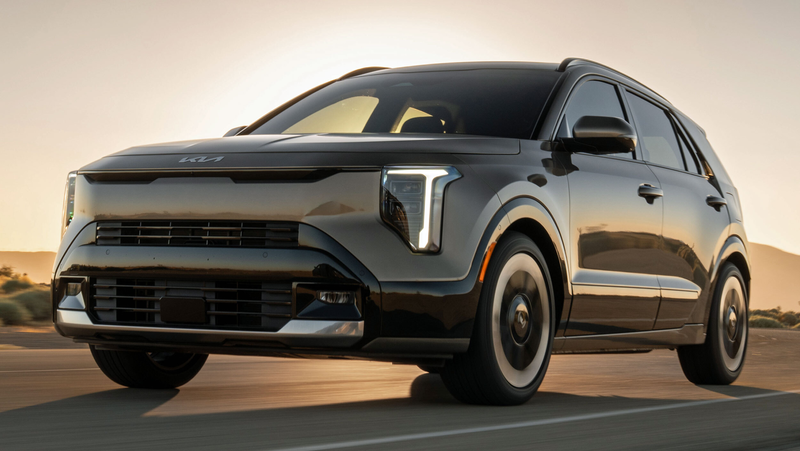
Kia shook up the minivan segment a few years ago with the Carnival, which looks more like an SUV than a traditional van. The 2027 Carnival Hybrid builds on that success with a starting price of $41,490 and a 1.6-liter turbocharged four-cylinder engine paired with an electric motor, producing 242 horsepower. It earns 34 mpg city and 31 mpg highway—slightly less than the Sienna but still impressive for a vehicle this size.
Where the Carnival shines is in its standard features. Heated front seats, SynTex synthetic leather trim, a 12.3-inch infotainment display, and a full suite of driver-assistance tech—blind-spot detection, front and rear parking sensors, automatic emergency braking—are all included. The second-row captain's chairs slide forward for easy third-row access and slide back for maximum legroom. It's the minivan that feels like a luxury SUV without the luxury price tag.
Honda Odyssey: The Driver's Minivan
For families who refuse to sacrifice driving enjoyment, the Honda Odyssey remains the answer. The 2027 model starts at $43,195—the most expensive of the three—and uses a 3.5-liter V6 engine producing 280 horsepower. It's not a hybrid, so fuel economy drops to 19 mpg city and 28 mpg highway, but the payoff is a responsive, engaging driving experience that few minivans can match.
The Odyssey's real party trick is its interior flexibility. The seats are easy to stow and rearrange, and maximum cargo capacity hits 140.7 cubic feet—enough for a small apartment's worth of furniture. Honda's Magic Slide second-row seats allow sideways and forward/backward adjustments, making it simple to configure for kids, pets, or cargo. If you want a minivan that doesn't feel like a penalty box, the Odyssey is the pick.
Why Hybrid Minivans Are Taking Over Now
The shift toward hybrid minivans isn't an accident. Automakers are responding to stricter fuel economy regulations and consumer demand for lower running costs. The Toyota Sienna proved that a full-hybrid minivan could work without sacrificing space or power, and Kia followed suit with the Carnival Hybrid. Meanwhile, Honda has stuck with the V6, but given the industry trend, an Odyssey hybrid seems inevitable in the next few years.
For families, the math is simple: a hybrid minivan saves hundreds of dollars per year on gas, especially for those who drive a lot. The Sienna's 648-mile range means fewer stops on road trips, and the Carnival's 34 mpg city rating makes stop-and-go school runs less painful. The trade-off is slightly less power compared to the Odyssey, but for most buyers, the efficiency gains outweigh the performance loss.
The Broader Trend: Minivans Aren't Dying, They're Evolving
There's a persistent myth that minivans are a dying breed, but sales data tells a different story. The segment has stabilized, and automakers are investing in hybrids and premium features to attract families who might otherwise buy a three-row SUV. The Toyota Sienna, Kia Carnival, and Honda Odyssey all offer more interior space than comparably priced SUVs like the Honda Pilot or Kia Telluride, and they do it with better fuel economy in the case of the hybrids.
The real competition is from electric vehicles, but full-electric minivans are still rare. The upcoming Volkswagen ID. Buzz is generating buzz, but it won't arrive in volume until later. For now, hybrid minivans are the sweet spot: lower emissions without range anxiety.
Counterpoint: Not Everyone Needs a Hybrid
The Honda Odyssey proves that there's still a market for a traditional gas-powered minivan. Its V6 provides 280 horsepower, which makes merging onto highways and passing slower traffic effortless. The Sienna and Carnival hybrids are adequate but not exciting—0-60 mph times are in the 7-second range, which is fine for daily driving but not for spirited driving.
The Odyssey also has a more premium interior feel and Honda's excellent resale value. For buyers who keep their cars for a decade and don't drive long distances, the fuel savings of a hybrid may never offset the higher upfront cost. And the Odyssey's 140.7 cubic feet of cargo space is class-leading, beating the Sienna by a small margin.
What Comes Next
The minivan segment isn't standing still. Toyota is expected to refresh the Sienna with a plug-in hybrid option within the next two years, and Kia is rumored to be working on an all-electric Carnival. Honda may finally introduce a hybrid Odyssey by 2028. For now, the choice comes down to priorities: fuel efficiency and range (Sienna), features and value (Carnival), or driving dynamics and cargo space (Odyssey).
Whichever you pick, the 2026-2027 minivan lineup proves that family haulers can be smart, efficient, and even a little fun.

Comments (0)
Loading comments…