
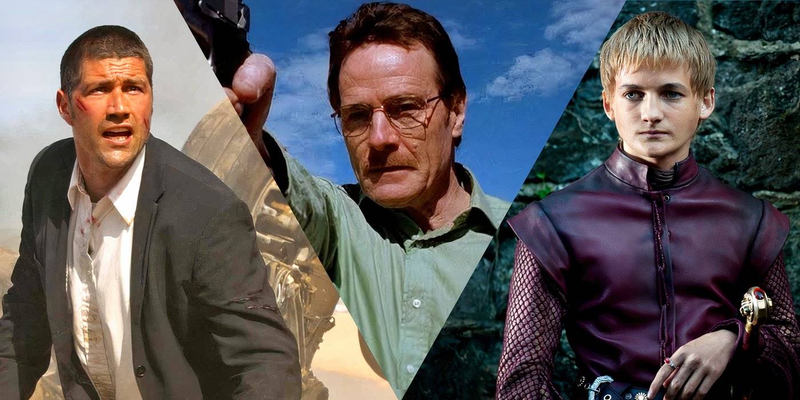
The Best TV Pilot Episodes Ever Made, Ranked

A great TV pilot has an almost impossible job. It needs to introduce characters you've never met, drop you into a world you don't understand, and convince you to invest weeks or years of your life in the story—all in 40 to 90 minutes. More often than not, the pilot makes or breaks a show. These seven episodes didn't just succeed; they were perfect from the very first frame.
The best pilots don't all work the same way. Some build a sprawling mystery, others introduce a character transformation you can't look away from, and a few simply tell you that you're watching something you've never seen before. Here are the seven TV pilots that nailed it from the start, ranked.
7. Atlanta — "The Big Bang" (2016)

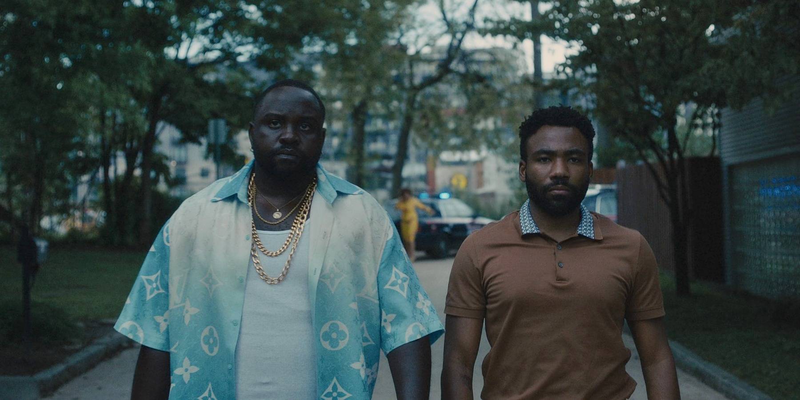
On paper, Atlanta's premise sounds simple: a broke Princeton dropout named Earn tries to manage his cousin Alfred, a rapper called Paper Boi, as his career starts taking off. But Donald Glover and Hiro Murai's pilot, "The Big Bang," is anything but straightforward. In just 27 minutes, it establishes a show that refuses to be pinned down as a comedy, drama, or social commentary—it's all three at once.
The episode follows Earn as he pitches himself as Alfred's manager, gets Paper Boi's track played on local radio, and then watches a parking-lot argument escalate into a violent shooting. What makes the pilot so striking is its restraint. It doesn't explain its world through exposition; it shows you how poverty feels claustrophobic, how race and class conversations are uncomfortable, and how the mundane can turn surreal without warning. Hiro Murai's direction gives even ordinary scenes a slightly off-kilter quality, foreshadowing the show's later experiments with horror and absurdism.
Atlanta became more surreal as it went on, but its pilot already contained that odd mix of dry comedy, raw drama, and unpredictability that made the FX series so distinctive. It didn't need a big mystery or a twist—it just needed to tell you that you were watching something you'd never experienced before.
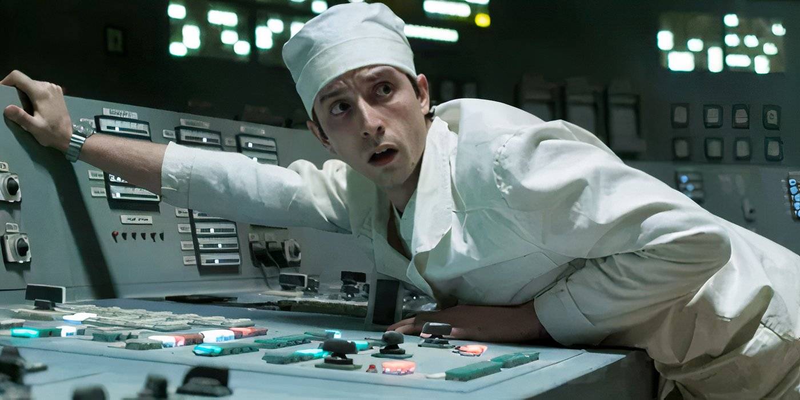
6. Chernobyl — "1:23:45" (2019)
The HBO miniseries Chernobyl faced a unique challenge: the audience already knew the disaster happened. So how do you build suspense from a historical event everyone knows the outcome of? The answer, as the pilot "1:23:45" demonstrates, is to focus not on what happens but on how it was allowed to happen.
The episode begins with the explosion already unfolding, then plunges us into the control room as management arrogantly dismisses the scale of the disaster. Firefighters and workers are exposed to lethal radiation without proper equipment, toxic smoke billows across Pripyat, and the horror comes from watching people fail to recognize the danger in time. The pilot doesn't need a fictional mystery—the tension comes from every missed opportunity, every dismissed concern, every bureaucratic lie that made the catastrophe worse.
"1:23:45" transforms scientific failure into atmospheric horror. The performances, the realism, and the sheer weight of dread make it one of the most effective historical drama pilots ever produced. It proves that knowing the ending doesn't matter if you can make the journey terrifying enough.
5. The Wire — "The Target" (2002)
The Wire's pilot, "The Target," is deliberately understated. It follows Detective Jimmy McNulty as he bypasses his chain of command to inform a judge about the Barksdale drug organization, sparking a new investigation. But the episode isn't interested in making the police into heroes. McNulty is talented but difficult, his superiors care more about statistics than justice, and the criminals are presented as complex humans rather than faceless villains.
What makes "The Target" so brilliant is its restraint. It doesn't explain Baltimore's drug trade through exposition; it lets viewers gradually piece together how the system works. The pilot tells you exactly how to watch the show: pay attention, don't expect simple heroes and villains, and understand that the institution itself is as important as any single character. Compared to more explosive pilots, "The Target" can feel quiet, but that quiet is the point. It's a perfect thematic introduction to a show that would spend five seasons deconstructing every layer of the American city.
4. Twin Peaks — "Pilot" (1990)
Laura Palmer's murder provides Twin Peaks with its central mystery, but the pilot episode is far more than a whodunit. David Lynch and Mark Frost's 94-minute debut is a masterclass in atmosphere. The slow tracking shots, the long takes on weeping faces, the drone of industrial sawmills, and the eerie wind through Douglas firs all create a world that feels both familiar and deeply unsettling.
The pilot's greatest achievement is making the show's tone the hook. Laura Palmer's death is compelling, but what keeps you watching is the desire to spend more time in this strange, dreamlike town. The contrast between small-town imagery and disturbing secrets creates the trademark tension that would define the series. Twin Peaks proved that audiences didn't need to understand everything in a pilot—the need to understand this strange place was far stronger.
3. Lost — "Pilot" (2004)
Lost's pilot is one of the most expensive ever made, and every dollar shows. The episode begins with Oceanic Flight 815 crashing onto a mysterious island, then throws viewers into a desperate survival situation. Jack Shephard tends to the injured amid burning wreckage, the survivors build a temporary camp, and then something massive tears through the jungle—a creature, a monster, something unknown.
The pilot introduces a huge ensemble cast (Jack, Kate, Hurley, Charlie, Sayid, Locke, Michael) while using flashbacks to flesh out their lives before the crash. It sets up multiple mysteries: What happened to the plane? Where are they? What is the monster? But it also gives enough information to ground the world. Lost later became iconic for its mythology and time-jumping storytelling, but the pilot already contains its central formula: give audiences enough to understand, but keep enough hidden that they have to come back. It's serialized television at its most addictive, and it was evident from the very first episode.
2. Breaking Bad — "Pilot" (2008)
Breaking Bad's pilot is a masterclass in character exploration. High school chemistry teacher Walter White learns he has terminal lung cancer and, desperate to secure his family's financial future, blackmails his former student Jesse Pinkman into cooking meth. Their first deal turns violent, forcing Walt to use his chemical expertise to poison the attackers and escape back to his suburban life.
The pilot establishes the entire engine of the show in one episode. Walt has a reason to enter the drug trade, Jesse is his connection, Hank represents the law that will close in, and Walt's intelligence is both his greatest advantage and the tool he uses to rationalize his decisions. The famous opening image—Walt driving an RV through the desert in his underwear—might seem like a joke, but by the end of the pilot, it's a glimpse of the transformation ahead. Breaking Bad's arc is one of the most compelling in TV history, and it works because the pilot tells you exactly what the show is about and what it plans to do with its central character.
1. Game of Thrones — "Winter is Coming" (2011)
Game of Thrones' pilot had an enormous amount of information to communicate: a sprawling fantasy world, dozens of characters, complex political alliances, and a looming supernatural threat. "Winter is Coming" handles this with remarkable grace. It introduces the Stark family, the Baratheon court, the exiled Targaryen princess Daenerys, and the scheming Lannisters—all while making the relationships between them feel interconnected even when they're thousands of miles apart.
The episode's final scene, where Jaime Lannister pushes young Bran Stark from a tower window after Bran catches him in an incestuous relationship, is a declaration of intent. It shows that no character is safe, that the show is unafraid to be brutal, and that audiences should never assume they know what's coming. "Winter is Coming" made a monumental translation from page to screen look easy, and it proved that fantasy could be as gritty, political, and emotionally devastating as any prestige drama.
What Makes a Great Pilot?
Looking at these seven episodes, a pattern emerges. The best pilots don't just set up a plot—they establish a world and a tone that audiences want to inhabit. Whether it's the surreal small-town dread of Twin Peaks, the systemic frustration of The Wire, or the character-driven tragedy of Breaking Bad, each pilot tells you exactly what kind of show you're signing up for.
There's a common trap that weaker pilots fall into: trying to explain too much. These seven avoid that by trusting the audience. Atlanta doesn't explain its subversive tone; it shows it. Chernobyl doesn't need to explain the disaster; it makes you feel it. Lost doesn't explain the island's mysteries; it makes you desperate to solve them.
Of course, a great pilot doesn't guarantee a great series. Some shows with brilliant pilots stumble later (we're looking at you, Heroes). But these seven prove that when a pilot gets everything right—character, world, tone, and hook—it can make the difference between a show that's forgotten and one that becomes a cultural phenomenon.


Comments (0)
Loading comments…