
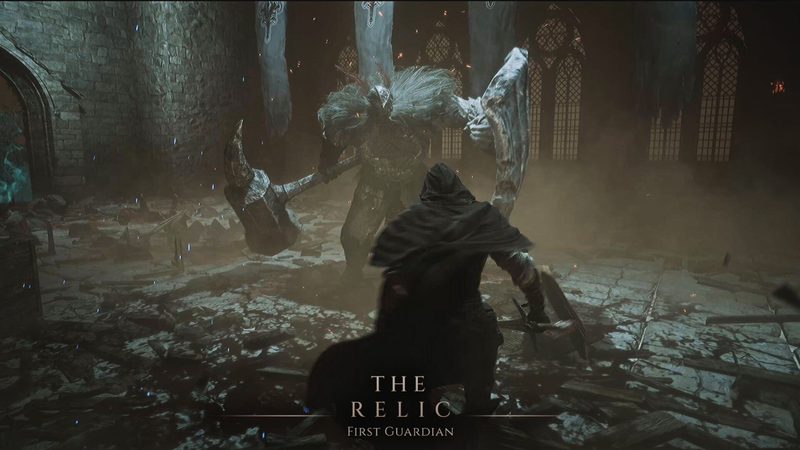
The Relic: First Guardian launches on PS5 and PC this week, but PlayStation owners still don't know whether they'll get a 60 fps performance mode, a 30 fps quality mode, or something in between. The developer has confirmed the game is in "final optimization" for both PS5 and PS5 Pro, yet resolution targets, frame rate caps, and graphical presets remain unannounced mere days before release.
A Debut Studio Betting on Atmosphere Over Options
The Relic: First Guardian comes from a small team building their first commercial release. In an interview, they framed their platform strategy around ruthless prioritization: atmosphere, combat responsiveness, and stable gameplay above all else. For the delayed Xbox Series X/S and Nintendo Switch 2 versions, they've promised the same philosophy — preserve the core experience rather than chase feature parity.
That approach makes sense for a resource-constrained studio. Action RPGs live or die by input latency and frame pacing; a fluctuating 40 fps feels worse than a locked 30. But the silence on PS5 specifics is conspicuous. Most publishers lock performance targets weeks before launch, giving reviewers and players time to set expectations.
PS5 Pro Complicates the Optimization Picture
The PS5 Pro variable adds genuine technical complexity. Sony's mid-gen refresh introduces PSSR upscaling, a larger GPU, and faster memory — but leveraging that hardware requires separate validation passes. A studio of this size likely lacks the QA bandwidth to certify multiple distinct performance profiles across base PS5, PS5 Pro, and PC simultaneously.
We've seen this pattern before. Smaller teams often ship a single "balanced" mode on launch, then patch in Quality/Performance toggles once telemetry data arrives from real-world hardware. It's pragmatic, but it leaves early adopters flying blind.
What "Stable Console Experience" Actually Means
When developers use that phrase, they're typically targeting a locked 30 fps at 1440p–1800p with dynamic resolution scaling. For a dark, atmospheric action RPG, that's often the right call — ray-traced lighting and dense geometry eat frame budget fast. But without confirmation, players can't decide whether to pre-order or wait for patches.
The PC version sidesteps this entirely. Scalable settings, unlocked frame rates, and community mods make the platform self-correcting. Console players don't have that luxury.
The Pre-Order Problem
Launch momentum matters disproportionately for debut titles. Wishlist conversion, day-one reviews, and algorithmic visibility all hinge on the first 72 hours. Withholding performance details this late risks a wait-and-see cascade: players delay purchases, initial sales dip, and the algorithm buries the game before patches arrive.
That's a shame, because the preview materials suggest a game with genuine identity — deliberate combat, environmental storytelling, and a cohesive art direction that doesn't lean on asset store filler. The kind of game that builds a cult following if it survives launch week.
A Familiar Industry Pattern
This isn't unique to The Relic. We've tracked half a dozen indie-to-AA launches in the past 18 months where performance modes were "confirmed soon" until they weren't. Some patched in 60 fps months later (Lords of the Fallen 2023). Others never did (The Last Faith on consoles). The pattern correlates strongly with team size and engine familiarity — Unreal Engine 5's nanite/lumen pipeline is powerful but notoriously difficult to optimize for 60 fps on base current-gen hardware.
What to Watch For
The developer has committed to announcing targets "before release." That window is measured in hours now. Watch for a blog post or social thread detailing:
- Base PS5: target frame rate, resolution range, VRR support
- PS5 Pro: PSSR implementation, enhanced mode specifics
- Whether a day-one patch is already in certification
If the announcement arrives with a 30 fps lock and no VRR, the conversation shifts to patch timelines. If 60 fps is on the table — even with aggressive dynamic scaling — the narrative flips positive instantly.
The Verdict So Far
The Relic: First Guardian looks like a game built with conviction. The studio's stated priorities align with what makes action RPGs satisfying: consistency over spectacle. But conviction doesn't render frames. Until Sony certifies the final build and the developer publishes numbers, the PS5 version remains a known unknown — and in a launch window crowded with known quantities, that's a dangerous position.
For PC players, buy with confidence. For PS5 owners? Maybe wait 48 hours. The patches will come. The question is whether the player base will still be there when they do.




Comments (0)
Loading comments…