
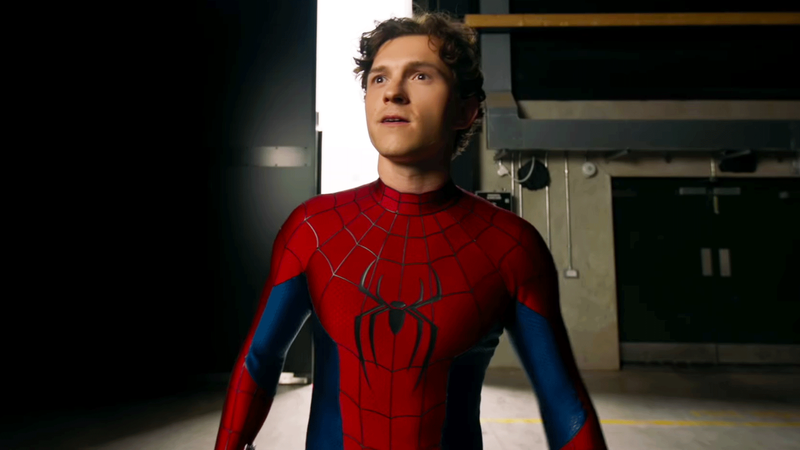
Tom Holland just confirmed what many players have suspected for years: the fluid, acrobatic finishing moves in Insomniac's Spider-Man games aren't just cool gameplay mechanics — they're a choreography blueprint. The actor revealed during the Spider-Man: Brand New Day premiere that those exact finishers directly shaped the combat in the upcoming film, with stunt performers literally bringing screenshots from the game into the writers' room to translate digital spectacle into practical action.
From Screen to Stage
The pipeline worked both ways. Holland admitted he was playing Spider-Man 2 the night before the premiere, unable to sleep from excitement, and found himself studying the very moves he'd help bring to life. Director Destin Daniel Cretton described a collaborative loop where stunt designers — themselves longtime fans of the games — would screencap specific finishers, present them in pre-production meetings, and ask "how do we do this for real?" The result is a fight language that feels lifted straight from the controller, only now it's Holland's body selling the weight of every web-yank and aerial takedown.
This isn't a one-off homage. Holland has been vocal about his attachment to Insomniac's interpretation of Peter Parker since the first game's 2018 release, telling IGN Benelux last month that he and Zendaya both play — though she reportedly banned him from helping during boss fights, preferring to earn her victories solo. That authenticity matters. When the lead actor understands the character's kinetic vocabulary from the player's perspective, the translation stops being adaptation and starts being extension.
A Two-Way Street
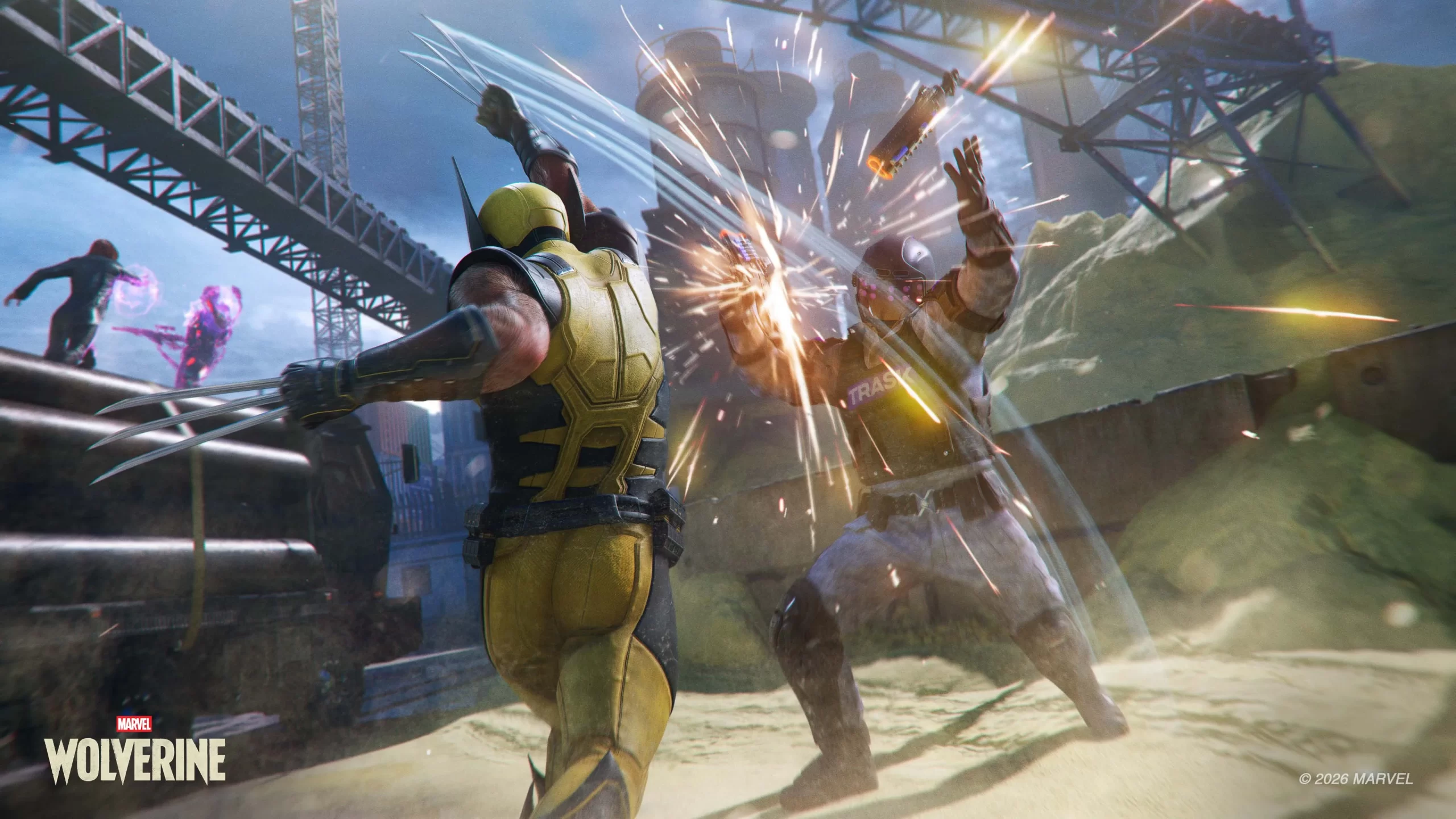
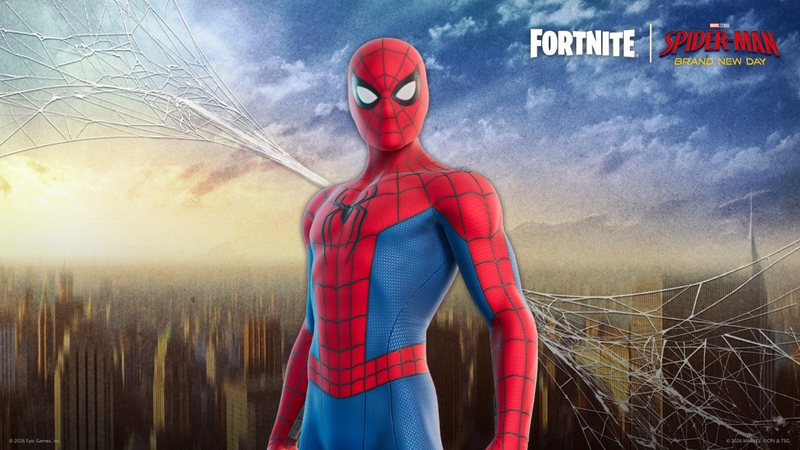
Sony is leaning into the symbiosis. To mark Brand New Day's July 31 release, Spider-Man 2 is receiving Holland's cinematic suit as a free unlock — the second major film-to-game crossover this year, following the Marvel Tōkon: Fighting Souls collaboration that's also bringing a Peter Parker variant to the fighter and a Wolverine skin to Insomniac's upcoming Marvel's Wolverine. The message is clear: the games and films now share a wardrobe, a movement vocabulary, and increasingly, an audience that moves between them without friction.
Why This Feels Different
Game-to-film influence usually flows one direction: movies set the visual template, games mimic it. Here, the games established the modern Spider-Man's combat identity — the improvisational web-swinging, the environmental finishers, the way Peter turns a crowd control scenario into a ballet. The films are now chasing that language. It's a quiet inversion of the usual hierarchy, and it speaks to how thoroughly Insomniac's duology has defined the character for a generation that may have never read a comic.
The Stunt Performers Were the Bridge
Cretton's detail about stunt performers bringing screenshots into the writers' room is the most revealing part of the story. These are practitioners who understand both the physical constraints of wire work and the expressive exaggeration games allow. They're the translators. When a stunt coordinator says "this finisher from the game works because it sells impact through anticipation and follow-through," they're not referencing a cutscene — they're referencing a mechanic they've executed hundreds of times. That literacy changes what's possible on set.
Where the Skepticism Lives
Not every game mechanic survives contact with reality. Finishing moves in Spider-Man 2 are designed to be readable at 60 frames per second from a fixed camera; in a film, they need to work from editorial coverage, with motion blur, variable framing, and the unpredictability of human bodies. There's a risk the film's action feels too game-like — weightless, repetitive, or choreographed for a camera angle that doesn't exist in gameplay. Early reviews suggest Brand New Day mostly avoids this, but the tension between "faithful to the game" and "cinematic in its own right" will persist as long as this pipeline stays open.
What Comes Next
The Marvel Tōkon collaboration hints at a broader strategy: a shared visual language across games, films, and now fighting games, where character expression isn't bound to a single medium. If Brand New Day hits its projected $180–250 million opening weekend, expect more studios to mine their game divisions for movement vocabulary — not just Easter eggs, but the fundamental grammar of how a character fights, moves, and exists in space. The web between interactive and passive storytelling just got stickier.



Comments (0)
Loading comments…