
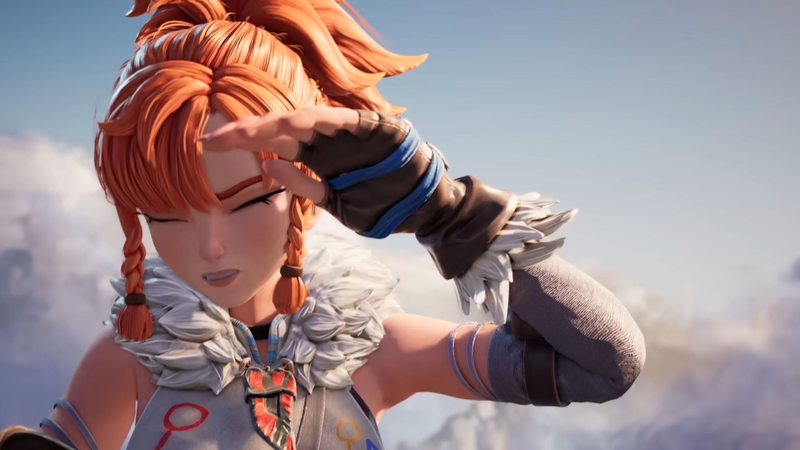
Pocketpair's community manager didn't mince words when confronted with the inevitable wave of NSFW Palworld mods: "I don't think this is official." The quote, delivered with the dry humor that's become the studio's trademark, landed on social media last week as players cataloged the increasingly creative ways modders have remixed the game's creature designs. It was an acknowledgment that, yes, the developers see what you're doing — and no, they're not going to pretend it's canon.
The Mods Arrived Before the Tools
Palworld launched into early access in January 2024 and sold 12 million copies on Steam in its first two weeks. The modding community moved at a pace that matched the game's commercial explosion. Within days, Nexus Mods hosted hundreds of entries ranging from quality-of-life tweaks to total conversions. Among them: a thriving category of adult modifications that retexture, remodel, and re-rig the game's "Pals" into forms the ESRB would never have approved.
The speed wasn't accidental. Palworld runs on Unreal Engine 5 with relatively accessible asset structures, and the game's character designs — already walking a fine line between derivative and distinctive — proved easy targets for modification. Modders didn't wait for official tools. They reverse-engineered what they needed.
Pocketpair's Permissive Stance
The studio's response reflects a broader philosophy. Pocketpair CEO Takuro Mizobe has previously stated that the team wants players to "play freely" and has avoided the aggressive DMCA campaigns that characterize Nintendo's approach to fan content. When the NSFW mods surfaced, the community team leaned into humor rather than legal threats. The "not official" line reads less like a disclaimer and more like a wink — an acknowledgment that policing adult mods in a single-player game is both technically impractical and culturally tone-deaf.
This doesn't mean Pocketpair endorses the content. The game's official channels don't promote or link to adult modifications. But the studio has drawn a practical line: they'll protect their IP from commercial exploitation and direct competition, but they won't wage war on their own player base for modifying a game they bought.
@tunafan68 I could be wrong…but I don’t think this is official…
 View on X →
Why This Moment Matters
The exchange highlights a tension that's defined PC gaming for decades. Modders will mod. Adult content is inevitable for any game with humanoid or creature designs that attract a large audience. The Skyrim, Fallout, and Stardew Valley modding scenes all followed similar trajectories. What's different here is the velocity — Palworld went from launch to "cursed mod ecosystem" in weeks, not years.
For Pocketpair, the calculation is straightforward. The game's success depends on goodwill, replayability, and the content pipeline that mods provide. Cracking down on adult mods would alienate a vocal segment of the community without meaningfully protecting the brand. The "not official" stance preserves plausible deniability while letting the modding scene sustain engagement.
The Nintendo Shadow
It's impossible to discuss Palworld's modding scene without the elephant in the room. Nintendo's lawsuit against Pocketpair — filed in September 2024 over patent infringement related to creature-catching mechanics — looms over every community interaction. The Japanese giant has historically been the industry's most aggressive IP enforcer, shutting down fan games, mod projects, and even orchestral tribute concerts.
Pocketpair's relaxed attitude toward mods reads partly as differentiation. Where Nintendo says "no," Pocketpair says "play freely." Whether that posture survives a protracted legal battle remains an open question. If Nintendo prevails, the precedent could force stricter controls on what Pocketpair permits in its ecosystem.
What Comes Next
The modding scene shows no signs of slowing. Official mod support — promised for 2024 — would legitimize the pipeline and give Pocketpair more visibility into what's being created. It would also let the studio implement content guidelines without resorting to takedowns.
For now, the "not official" line stands as the studio's position: we see you, we're not stopping you, but don't confuse this with our roadmap. It's a pragmatic compromise in an industry that rarely manages them.



Comments (0)
Loading comments…