

Logan Paul’s Pokémon card scheme backfires as CoroCoro claim draws fan backlash
What happened: Logan Paul spent months chasing CoroCoro Pokémon magazine sheets, sent them to PSA, and watched the cards grade far below the perfect 10 he was chasing. Instead of proving he found a lost treasure, the campaign became a public lesson in why rare does not always mean valuable, or even historically first.
That is why this story has landed so badly with Pokémon fans. Paul’s quest was not just a hobby project; it was a market-moving stunt wrapped in a collector’s documentary. When the cards came back low, the joke landed on him, and the broader backlash came with it.
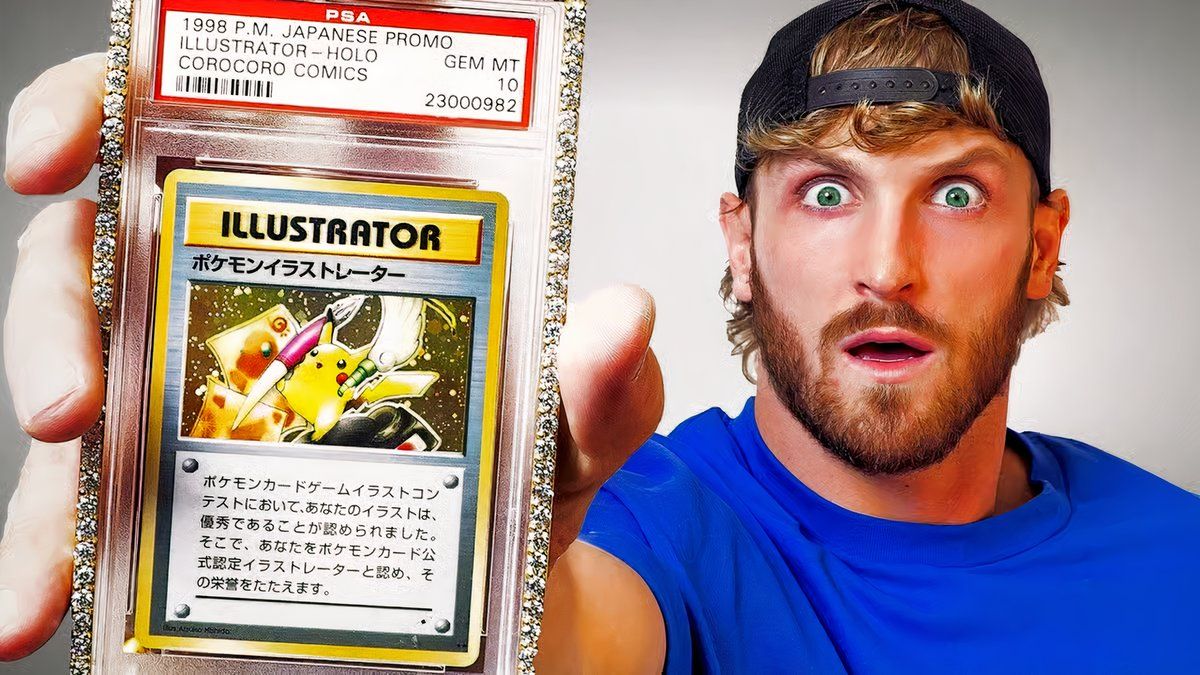
What Paul was chasing in CoroCoro sheets

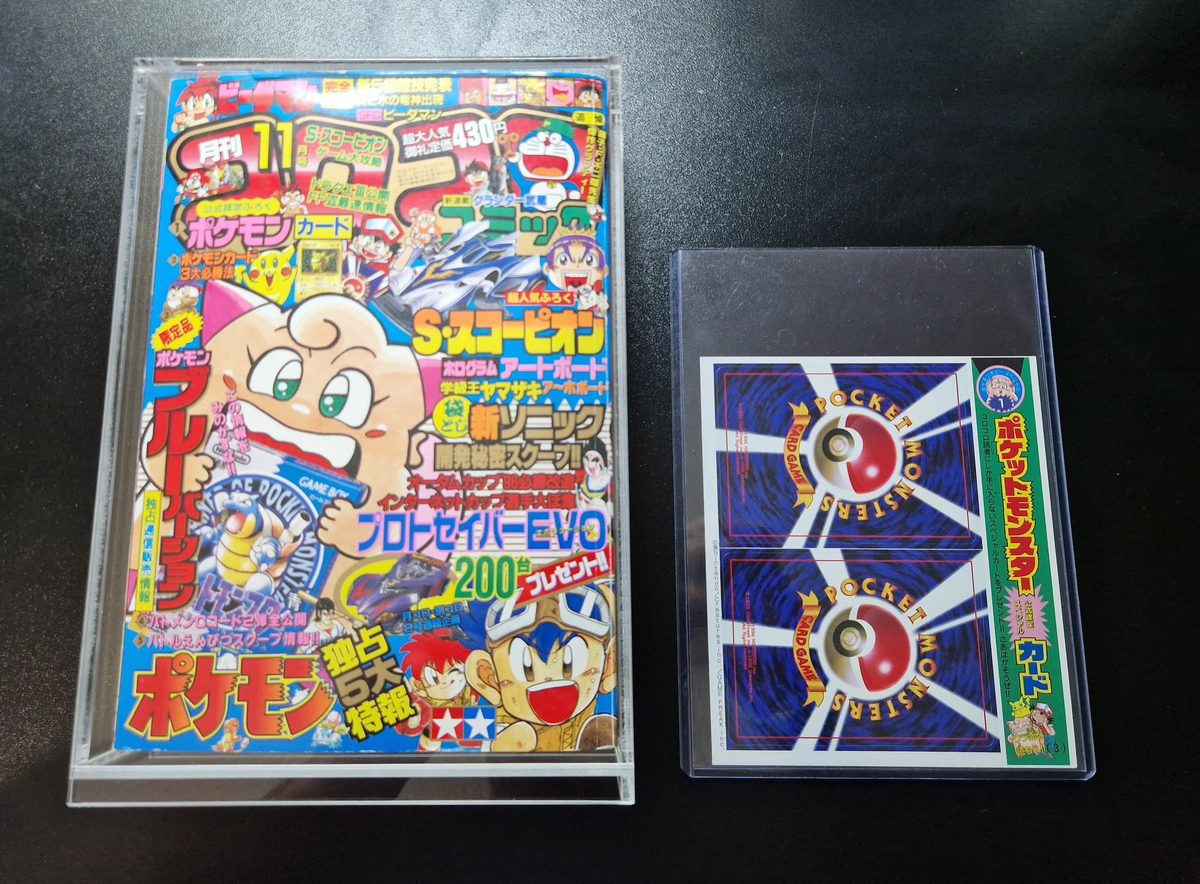
CoroCoro Pokémon magazine sheets are a tiny, strange corner of Pokémon collecting. The cards came in uncut sheets that were released a week before the official Pokémon Trading Card Game cards hit Japan, which is why collectors argue so intensely over what counts as the first “real” Pokémon card.
The cards also have to survive in brutal condition. Because they were part of a sheet, peeling them out can damage the paper, bend the edges, or ruin the centering. Centering is how evenly the card image sits inside the border, and it matters a lot when a grader is deciding whether a card deserves a 10.
Paul’s argument was that these sheets contained the first true Pokémon cards ever sold. Some collectors contest that, saying the first true Pokémon cards were printed by Bandai instead. For a niche hobby, “first” is not a small detail; it is the difference between a museum piece and a curiosity.
Why the PSA grades ruined the story

Paul turned the search into a cinematic saga, with a nearly one-hour YouTube video that followed his hunt for the supposed holy grail of Pokémon cards. He is a good storyteller, so the campaign had the shape of a treasure hunt: rare item, impossible odds, huge money, and one last chance at perfection.
He spent about six months collecting CoroCoro magazines, spending an estimated $2.7 million before choosing the best candidates. He sent them to PSA, short for Professional Sports Authenticator, the grading and authentication service that gives cards numerical grades. A PSA 10 is the near-mythic perfect score collectors chase.
Paul failed to become the first person to own a CoroCoro Pokémon card graded by PSA as a 10. His cards came back far below the grade he needed, which punctured the central promise of the whole campaign: that he had found a perfect piece of Pokémon history.
Maybe I am a larper.
I had no idea the first Pokémon Trading Cards came from within a Japanese magazine called Corocoro Comic #223… they were a “glossy” Pikachu & Jigglypuff released October 1
 View on X →
There is a real collector’s dilemma here. A sheet can be historically interesting and still grade poorly. A card can be rare and still be badly centered, edge-damaged, or cut uneven
Comments (0)
Loading comments…