

The villains you love to hate might actually have a point
It's a rare and uncomfortable feeling when you're playing through a game, gunning down the big bad, and a quiet voice in your head whispers: "Wait… they kind of have a point." The best video game antagonists aren't just evil for the sake of evil — they're driven by ideology, trauma, or a warped sense of justice that, if you strip away the genocide and the screaming, actually makes a disturbing amount of sense. These aren't saints, but they're not entirely wrong either. Here are five gaming villains whose logic, however twisted, might just make you question your own moral compass.
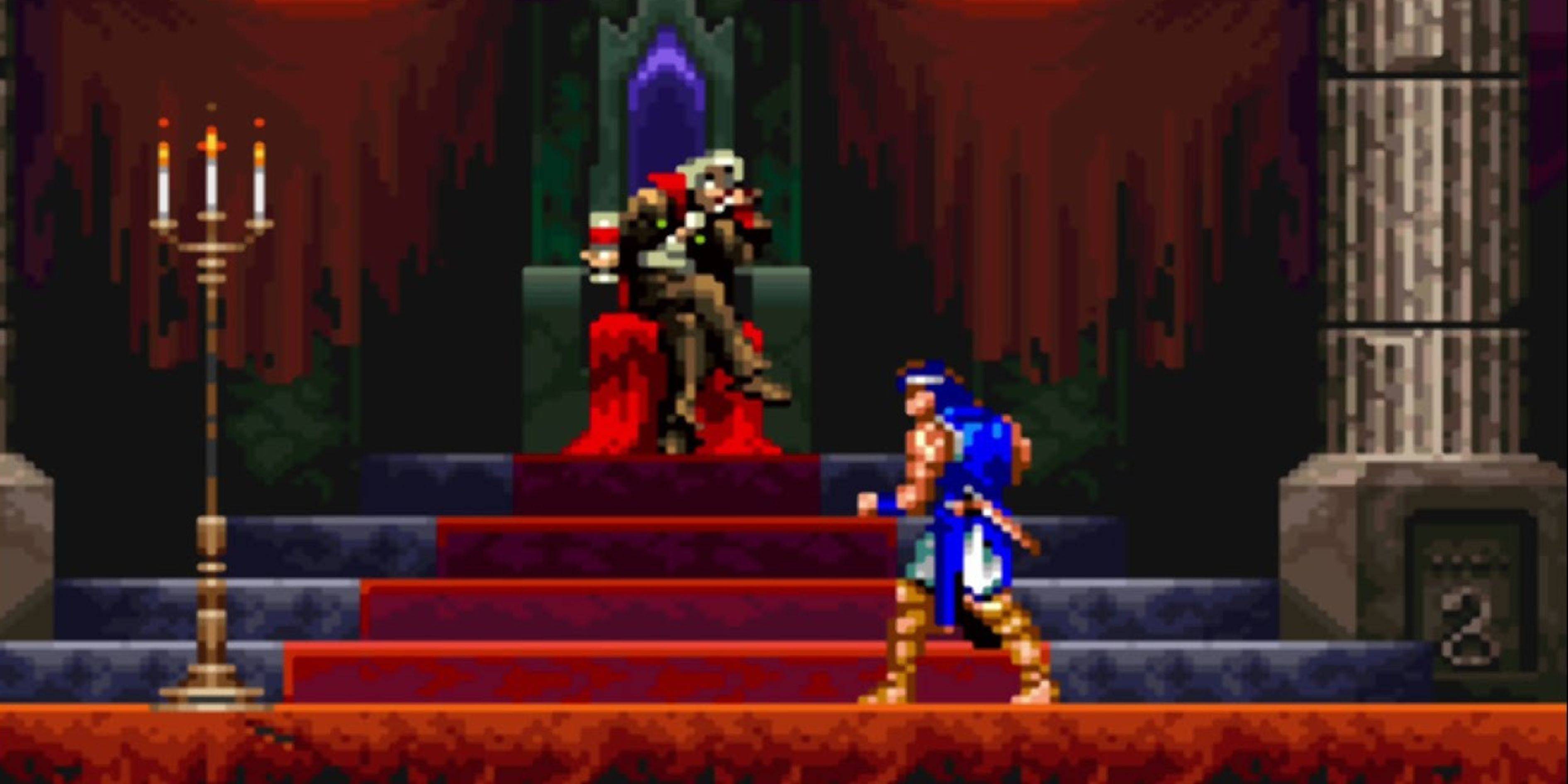
Dracula — Castlevania: Symphony of the Night
Castlevania's Dracula isn't just a vampire lord; he's a grieving widower. His wife, Lisa, was burned at the stake by the church for the crime of using science and medicine to help people. In Dracula's eyes, humanity murdered the only good thing it had, and the species proved itself irredeemable. His solution — a literal apocalypse — is obviously extreme, but the raw catalyst of his pain is hard to argue with. Anyone culpable in Lisa's execution had it coming. The tragedy is that Dracula's grief blinded him to the innocent people caught in his wrath, but the core grievance? Completely valid.
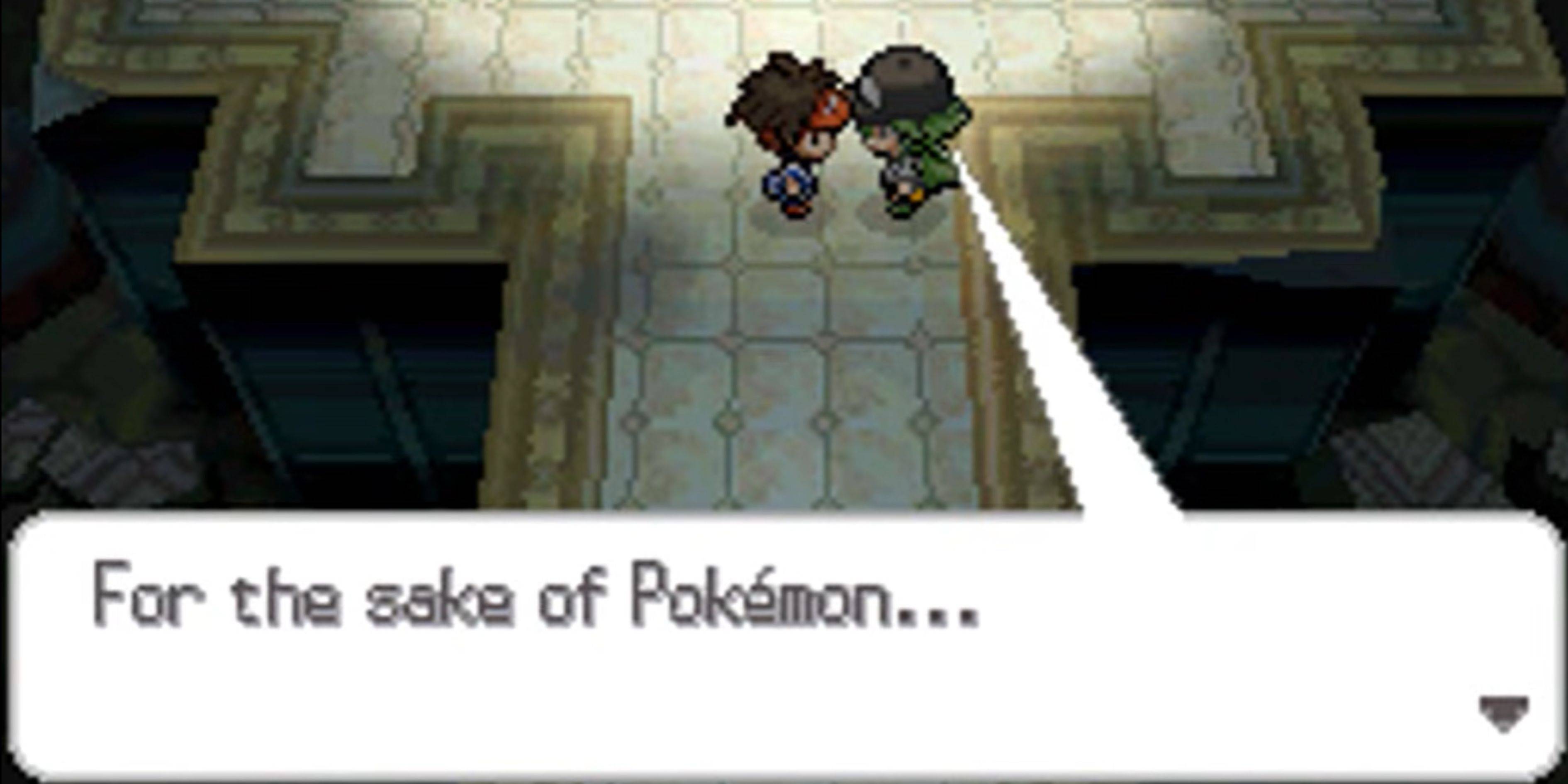
N — Pokémon Black & White
N, the leader of Team Plasma, forced a moral reckoning on a franchise built on friendly monster battles. His argument is simple: forcing wild, sentient creatures into tiny capsules and making them fight for human entertainment is cruel. It's uncomfortable because it's true. Black & White's narrative cleverly uses N to question the very foundation of the Pokémon world, and while Ghetsis's hidden agenda corrupts the movement, N's original dream of a world where Pokémon live freely without human exploitation is genuinely compassionate. He made us ask: are we partners or benevolent captors?
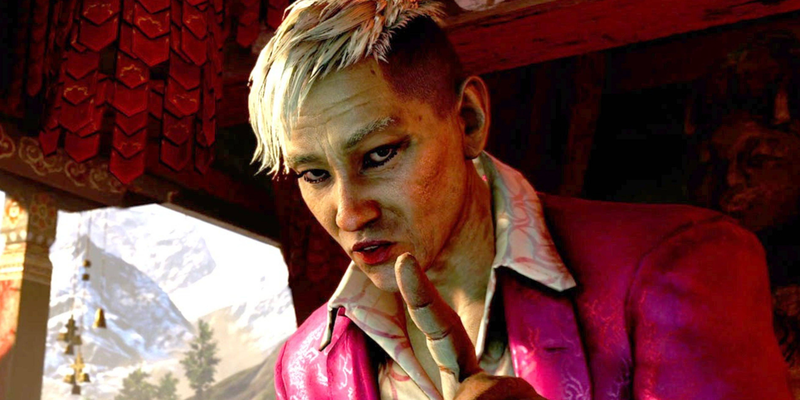
Pagan Min — Far Cry 4
Pagan Min is a flamboyant, pink-suited tyrant, but beneath the cruelty is a man who genuinely loved Kyrat and wanted to bring stability to a country torn apart by civil war and religious extremism. His opponents, the Golden Path, are narco-terrorists who would turn Kyrat into either a religious dictatorship or a drug state. The secret ending proves Pagan had no personal beef with the protagonist — he escorts you to scatter your mother's ashes and offers you the kingdom peacefully. He was a monster, but Kyrat was arguably safer under his watch. That kind of political pragmatism is straight out of A Song of Ice and Fire, where the brutal ruler sometimes keeps the peace.
Ardyn — Final Fantasy XV
Ardyn Izunia is perhaps the most tragic antagonist in RPG history. Once a selfless healer chosen by the gods, he cured thousands of the Starscourge by absorbing the corruption into his own body. His reward? His jealous brother murdered his fiancée, stole the throne, and erased him from history for 2,000 years. Worse, the gods themselves revealed that his downfall was pre-ordained — he was created to be betrayed and then slaughtered by the True King. Ardyn was driven mad by centuries of absorbed suffering and cosmic gaslighting. His rage against the Lucian royal line is entirely justified. It's a story that makes you think of characters like Aerith Gainsborough, whose fate seems predestined — except Ardyn had to live through his betrayal for millennia. Past Ardyn literally did nothing wrong. The game's shift away from the classic Active Time Battle system might be controversial, but Ardyn's backstory is a masterclass in sympathetic villainy.
The Colossi — Shadow of the Colossus
It's easy to forget that the colossi in Shadow of the Colossus aren't villains — they're guardians. They're ancient beings tasked with protecting a seal that keeps a malevolent entity imprisoned. You, the player, are tricked into killing them to resurrect a loved one, and the game never lets you forget that each colossus is a majestic, peaceful creature that only attacks when provoked. Their deaths are acts of selfish destruction, not heroism. In a sense, they're the only ones acting ethically. They're defending their world from a trespasser who will eventually unleash a dark god. The colossi were right to resist. Their AI may be simple, but their moral clarity is sharper than the protagonist's.
What makes a villain "right"
None of these characters are innocent. Dracula's genocide, N's naivety, Pagan's brutality, Ardyn's madness, and the colossi's indifference to human suffering all make them flawed. But that's exactly the point. A great villain isn't just a challenge for the player — they're a mirror. When you pause and peel back the bloodshed, you often find a kernel of truth that makes you uncomfortable. These villains weren't entirely wrong, and that's why we remember them.


Comments (0)
Loading comments…