
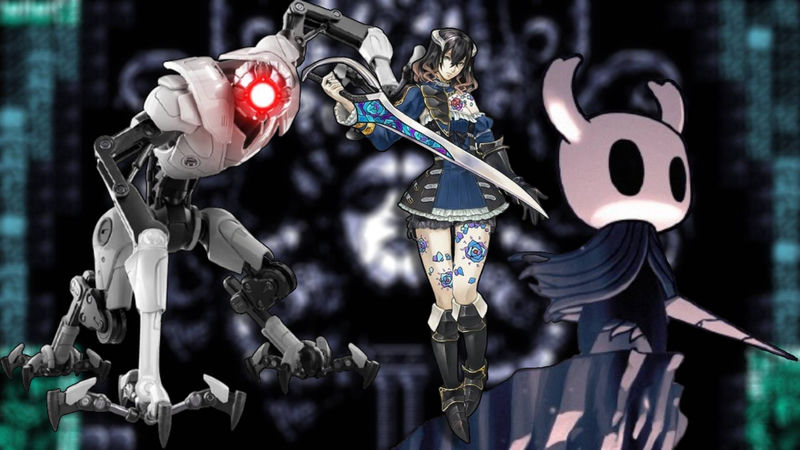
The best mystery-heavy Metroidvanias work because they make not knowing feel like part of the gameplay. They do not just hide lore behind item descriptions; they make your lack of information shape your movement, your fear, your combat choices, and the thrill of finally finding the upgrade that turns confusion into control.
That is the appeal of this kind of Metroidvania: the map is not merely a convenience, the plot is not a tutorial, and the world often feels more alive when it refuses to explain itself. Some of these games are action classics. Some are modern indie favorites. Some are weird enough that you should absolutely keep one hand on the escape hatch.
The common thread is simple: they reward players who are comfortable being lost. Once the mystery starts to crack open, these games can still be excellent, but the early uncertainty is often where the magic lives.
The Short Answer: What Makes These Metroidvanias Work
These games are worth playing if you like exploration where the unknown is not a flaw, but the point. They tend to hide context, slow-roll explanations, and let the player connect dots through environments, enemy placement, item access, and tiny bits of dialogue.
The result is a stronger sense of discovery because you are not just chasing a quest marker. You are decoding a world. You are asking why that door is unreachable, why that creature is afraid of you, why that area looks dead, and why the game keeps handing you tools without telling you what they are for.
That is the real difference between a Metroidvania with mystery and one that merely has lore. In the better examples, mystery changes how you move. It makes backtracking feel like investigation. It turns every new ability into a question answered with your own hands.
10. Shadow Labyrinth
Shadow Labyrinth is one of the strangest Pac-Man spinoffs in recent memory, and that is part of the appeal. It takes the bright maze-chase identity of the original series and drops it into a bleak, body-horror-adjacent future where you are a tool of a machine named PUCK, stripped of your mouth and arms before being rebuilt into something much more violent.
It also ties itself to the UGSF timeline, which gives the series an odd extra layer of continuity for players who care about Pac-Man outside the arcade cabinet. The premise is wonderfully weird: you can merge with PUCK into a monstrous GAIA form, and the whole thing feels like someone found a forgotten sci-fi appendix to Pac-Man and decided to make it hurt.
That mystery helps the game stand out, even if the execution is uneven. The combat can feel rough, and the save points are far too spread out for a game this punishing. But when it works, Shadow Labyrinth has the kind of atmosphere that makes every corridor feel like it is hiding a bad decision.
It is not the cleanest Metroidvania on this list, and it is probably not the easiest recommendation for casual players. But as an experiment in making an iconic mascot feel alien, dangerous, and genuinely strange, it lands harder than you would expect.
9. Gato Roboto
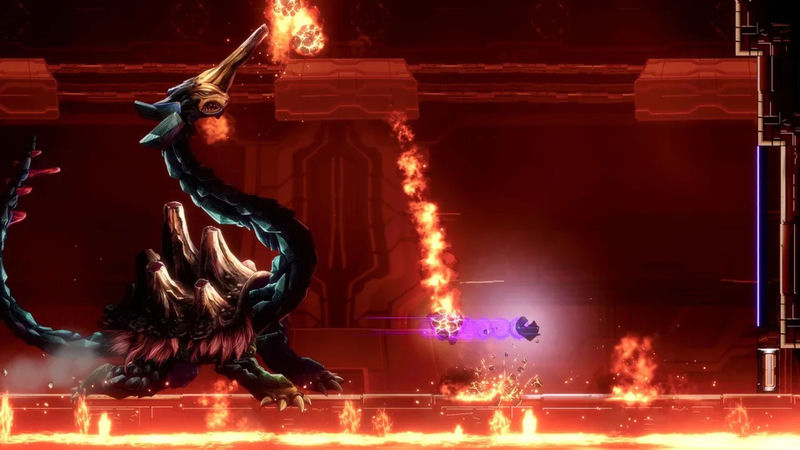
Gato Roboto is a bright, compact Metroidvania that understands the value of not overexplaining itself. You play as a cat in a mech suit, and sometimes a submersible. That is enough. The game has jokes, but it does not spend much time tying every thread together, which is exactly why the exploration stays so nimble.
The black-and-white art direction gives it a Game Boy-era feel, but this is not a game that simply wants to look old. It uses that palette to create clean silhouettes, readable combat spaces, and a slightly surreal atmosphere that fits a cat piloting hardware through a dying sci-fi setting.
The plot is entertaining, but secondary. You are not here because you need to know every detail of the world’s politics, machines, or backstory. You are here because the movement feels good, the upgrades open new routes, and the world is small enough to reward curiosity without becoming exhausting.
Its biggest flaw is also its charm: it is over quickly. Gato Roboto burns hot, leaves you smiling, and then vanishes before you can ask for more. Still, for a short mystery-light Metroidvania that prioritizes exploration, humor, and tight action, it remains one of the more enjoyable little trips in the genre.
8. Momodora: Moonlit Farewell
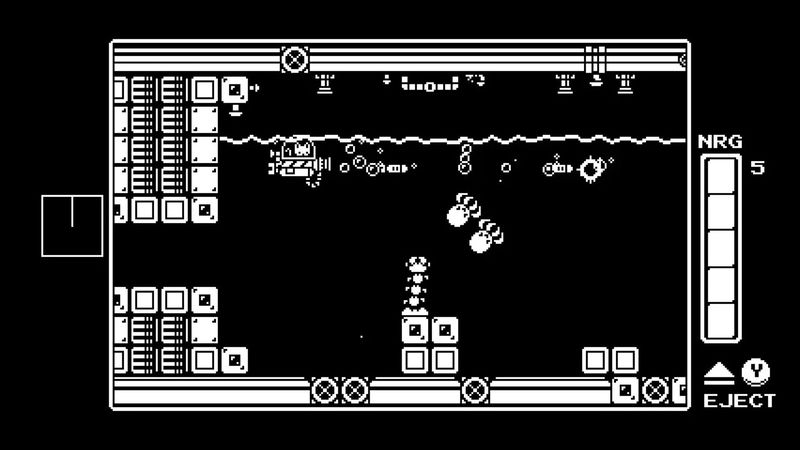
Momodora: Moonlit Farewell is the fifth game in the Momodora series, but it does not feel like homework. The lore matters, but the series has always worked best when the world feels like a haunted fairy tale rather than a textbook. Moonlit Farewell leans into that with a magical bell, demons, a would-be god, and a strange world full of melancholy.
The game has a Studio Ghibli-like softness at times, especially in how it balances beauty with dread. That contrast is one of its strengths. The world can feel gentle and strange, then suddenly turn cruel in a way that makes the player question whether the environment itself is sick.
The combat is simple but satisfying. Momo fights with a leaf, a bow, and powerful Sigils, and the upgrade path gives the adventure enough bite without turning it into a spreadsheet. It is approachable, but not empty. Every new tool makes the map feel different, and every new area deepens the mystery just enough to keep moving.
It is also the final Momodora, which gives it a small shadow over the experience. The series ended with a strong game, one that understands why players keep returning to these worlds: not because every plot thread is tied neatly, but because the places themselves are worth revisiting.
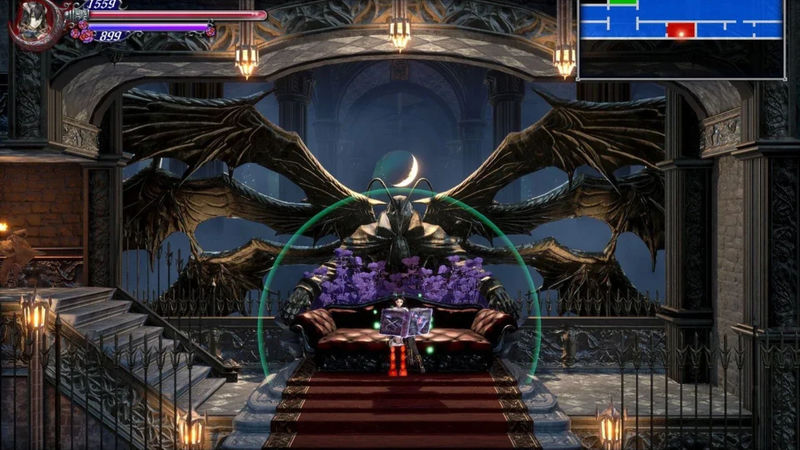
7. Bloodstained: Ritual of the Night
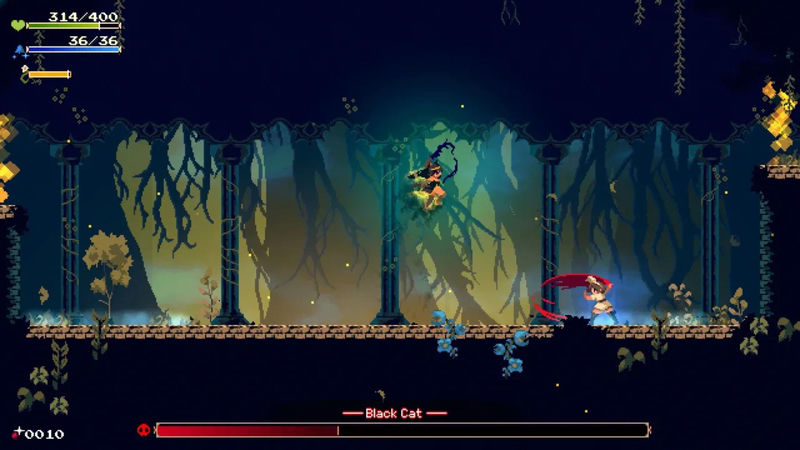
Bloodstained: Ritual of the Night arrived with a lot of history attached to it. For many players, it was the spiritual successor to Koji Igarashi’s Castlevania games, and that expectation was huge. The Kickstarter excitement, the connection to Castlevania, and the long wait all shaped how people approached the game before they even entered the castle.
That context matters because Ritual of the Night is strongest when it lets you play rather than listen. Early on, the story is vague enough that you can mostly treat it as atmosphere. The castle is cursed, things are wrong, and you are exploring with a clear sense of danger. That is where the game feels best.
The later story does not land with the same force. It can feel blunt next to the cleaner mystery of older Castlevania entries, and the game sometimes explains more than it needs to. But the core loop still works: exploration, upgrades, backtracking, combat variety, and the slow expansion of the map into something more complex.
It is not quite the genre-defining masterpiece some backers hoped for, and it should not be judged as if it can replace Castlevania: Symphony of the Night. But as a well-made Metroidvania with satisfying backtracking, strong atmosphere, and enough personality to stand on its own, it remains a worthwhile adventure.
6. Dead Cells
Dead Cells is a Metroidvania and a roguelike, which means it is built around repetition, failure, and the slow accumulation of knowledge. The story is basically a skeleton key: you are a blob of sentient slime, The Prisoner, hopping between host bodies while a kingdom falls apart around you.
That is all you really need. The game is much more interested in how movement, weapons, upgrades, and enemy patterns change from run to run than in spelling out every piece of lore. Its mystery is not locked behind a story cutscene. It is in the rhythm of survival.
The permanent upgrades are especially important here. Cells let you unlock new weapons, traits, and equipment, which makes each failed run feel like progress even when the immediate outcome is brutal. That is the genius of Dead Cells: the map changes, the enemies punish you, and the game still convinces you to try again.
It is also incredibly hard. Some runs will feel like the game is personally offended by your existence. But the challenge is part of the reward structure. You do not master Dead Cells by reading about it; you master it by learning when to attack, when to run, and when to stop feeling clever.
5. Animal Well
Animal Well is one of the most mysterious Metroidvanias around, and also one of the most uncomfortable. It has just enough exploration and upgrade logic to qualify, but it often feels closer to a puzzle platformer wrapped in a dream you would rather forget.
The game is nearly empty of traditional explanation. You explore a dark well, encounter wraith-like animals, and slowly uncover secrets without being handed a clear map of what matters. That is both its greatest strength and its biggest risk. Animal Well can be brilliant for players who enjoy decoding environments, but it can also feel frustratingly opaque.
There is no ordinary way to fight back for much of the adventure, which flips the usual Metroidvania power fantasy on its head. Instead of becoming stronger by punching harder, you become stronger by learning when to hide, when to follow, and when not to touch something just because the game lets you.
That restraint makes the discoveries hit harder. Hidden areas, strange endings, and environmental puzzles all feel like things you earned by paying attention rather than by grinding. It is not for everyone, but for players who want a Metroidvania where mystery is not flavor but the entire structure, Animal Well is unforgettable.
4. Castlevania: Symphony of the Night
Castlevania: Symphony of the Night is one of the original definitions of the Metroidvania, and it still holds up because its mystery is built into the castle itself. Alucard’s personal conflict matters, but the real hook is wandering through a vast Gothic nightmare and slowly realizing that every locked path is also a clue.
The game does not need to explain every corner of Dracula’s castle to be compelling. It understands that fear of the unknown can be more powerful than exposition. A door you cannot open, a creature you cannot beat yet, a room that looks impossible until you find the right item: that is the genre at its purest.
Symphony of the Night also gave later Metroidvanias a language they still use. Backtracking with new abilities is not just a traversal gimmick; it is how the game reveals itself. The castle becomes readable in pieces, and each upgrade changes what you think the map was saying all along.
That is why its influence is so hard to escape. Later games can be bigger, sharper, stranger, or more personal, but Symphony of the Night still has a rare balance of gothic atmosphere, player freedom, and mechanical clarity. It is mysterious without being confusing, and that is why it remains one of the genre’s benchmark games.
3. Metroid Dread
Metroid Dread is one of the few games where the mystery is not just atmospheric, but actively dangerous. The E.M.M.I. robots are not background threats or optional encounters; they are the embodiment of the game’s central question. What is happening to this planet, and why is something hunting Samus so specifically?
The game does a great job of making ignorance feel physical. When you do not know the rules of an area, you move carefully. When you learn them, you become more confident, and when you finally understand the larger threat, the fear does not disappear. It sharpens.
Unlike some mystery-driven games, Dread does not lose much after the reveal. The answer to the plot question does not deflate the adventure because the gameplay remains tense, fast, and hostile. ZDR is full of familiar Metroid ideas and new dangers, and the game keeps rewarding exploration even after the big secret is out.
That is a rare trick. Many games become less interesting once the mystery resolves. Dread keeps working because the story reveals do not replace the thrill of survival. They deepen it. Samus retaking her place at the top of the food chain is satisfying, but the real joy is the long, nervous climb there.
2. Hollow Knight
Hollow Knight is one of the best Metroidvanias ever made, and it proves that a game does not need a clean story to create a strong sense of wonder. The lore is there, but it is scattered through environments, item descriptions, enemy behavior, and places you only understand after you have already forgotten you were looking for answers.
The map system also plays into that mystery. At first, the lack of clear direction can be annoying if you are used to obvious objectives and clean navigation. But once you unlock more features, the map becomes part of the discovery process. You are not just checking boxes. You are slowly reconstructing Hallownest.
The world is dense, beautiful, and quietly tragic. You move through ruins that feel older than any single character, and the game rarely stops to explain what happened. That absence gives Hollow Knight its texture. The silence between clues is as important as the clues themselves.
There is a reason so many players still talk about Hallownest years later. The story may be messy if you try to explain it in one sitting, but the experience is not. Hollow Knight makes you feel small in a way that should be annoying and is somehow wonderful.
1. Axiom Verge
Axiom Verge tops the list because it understands mystery as a structure, not just a mood. It is a Metroidvania, a sci-fi horror story, and a puzzle box about identity, bodies, and reality all at once. You are not just exploring a castle or a kingdom. You are falling deeper into a system that does not want to be understood.
The best part is how the game connects upgrades to revelations. When you gain a new ability, you are not only opening new paths. You are learning something about the world, the creatures in it, and sometimes yourself. The Metroidvania formula becomes a way to investigate a mystery instead of simply unlock a map.
It also has the kind of grimy sci-fi atmosphere that makes every room feel like it has a reason for existing. Axiom Verge is not trying to be clean or friendly. It wants you to feel like you are poking at a damaged machine that might still be awake.
That is why the mystery makes the journey better here. The game gives you just enough information to keep moving, then withholds enough to keep you suspicious. By the time you understand what is really happening, the upgrades you collected along the way have turned into evidence. That is a much more satisfying payoff than a lore dump.
Why Mystery Works Better in These Games
Mystery works in Metroidvanias because the genre is built on delayed understanding. You see a room you cannot enter, meet a creature you cannot defeat, or find an item you cannot yet use. The game is constantly asking you to infer rules from the world around you.
That makes the player an investigator. Every ability is a question answered, and every new area is a question with teeth. When a Metroidvania explains too much too early, it can flatten that curiosity. When it explains too little, it can become noise. The best ones find the sweet spot between confusion and discovery.
That is why the early parts of these games often hit hardest. You are underpowered, underinformed, and not entirely sure whether a strange detail is a clue, a threat, or a joke. Then you get the right tool, return to the right place, and suddenly the world rearranges itself in your head.
What to Watch For Next
The strongest mystery-driven Metroidvanias do not treat secrecy as a shortcut. They build worlds where the player can reasonably wonder what is going on, then reward careful observation with clarity. That is the difference between a game that withholds information and a game that makes discovery feel earned.
As the genre keeps expanding, the best entries will likely be the ones that make exploration feel like investigation. Not every Metroidvania needs a big hidden plot, but the ones that do should understand that the player’s confusion is part of the design. When handled well, not knowing is not a barrier. It is the engine that keeps you moving.





Comments (0)
Loading comments…