

Konrad Tomaszkiewicz, the director of the much-anticipated RPG The Blood of Dawnwalker, has thrown a surprising curveball into the console conversation. He argues that delaying the next generation of consoles isn't just a pragmatic move—it's a boon for developers like his. This perspective feels almost contrarian, especially as the industry grapples with skyrocketing hardware prices due to component shortages exacerbated by demand from AI datacenters.
We're in uncharted waters. This is the first time in console history that base models have seen price hikes post-launch rather than declines. Rumors suggest that the PlayStation 6 could cost Sony upwards of $1,000 to manufacture, which would make it a luxury item rather than a mainstream console. Microsoft isn't sitting pretty either; they forecast a doubling of component prices within the year, which could severely impact their upcoming console, Project Helix.

There’s a palpable tension in the air. We’ve seen the disastrous effects of inflated hardware costs before, notably with Valve’s Steam Machine that launched at a price far above initial projections. In this climate, launching a new console could be a strategic blunder, and it’s no wonder platform holders may opt to stretch out this generation instead of rushing into the next.
So, what does this mean for Rebel Wolves and The Blood of Dawnwalker? According to Tomaszkiewicz, the current console landscape simplifies their development process. “When you have the game and you know the systems and the features adjusted to these particular consoles, you know what you need to do,” he explained. He makes a compelling case: fewer builds mean less overhead, and thus, a more focused development effort.
“When you have next-gen, you're adding an additional two builds, and it multiplies the amount of work you need to do.”
Right now, Rebel Wolves is managing four distinct builds for different consoles and PC versions due to regional rating restrictions. If they were to jump into next-gen territory, they’d face an additional layer of complexity. Each build requires its own rigorous testing, which Tomaszkiewicz emphasizes is a “huge effort.” It’s a classic case of developers wanting to leverage new technology but being bogged down by the logistics of supporting multiple platforms.
With The Blood of Dawnwalker set to release on September 3rd, it’s clear that this game is firmly rooted in the current generation. But the studio has bigger ambitions, hinting at a series that could transition into next-gen territory down the line. Tomaszkiewicz acknowledges that while stronger hardware can enable more complex visuals and richer gameplay, it also necessitates a complete overhaul of development tools and methodologies.
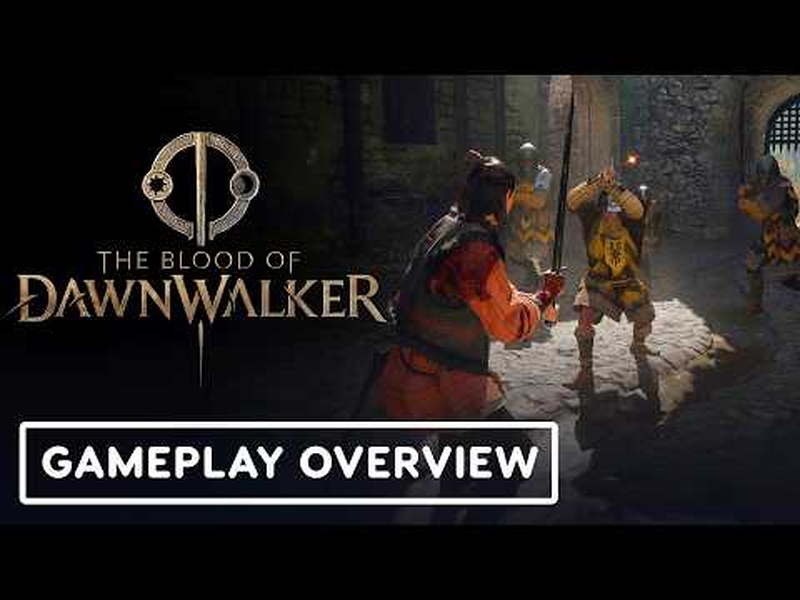
There’s a delicate balance here. While it might seem like a no-brainer to embrace the latest technology, the reality is that new consoles launch with a limited audience. For instance, over 90 million PlayStation 5 units are in circulation, a number that a new console won't touch for years. So, a cross-generational strategy becomes not just sensible, but essential—unless, of course, there’s a lucrative exclusivity deal involved.
The dual nature of The Blood of Dawnwalker’s protagonist and its innovative gameplay mechanics suggest that this title has the potential to stand out in a crowded market. I’m genuinely excited about what Rebel Wolves is crafting. As I’ve said before after playing it, this game feels like a breath of fresh air in the RPG genre.

In the grand scheme, I think Tomaszkiewicz is right to embrace the current generation's limitations. The risks of rushing into an uncertain next-gen landscape far outweigh the potential gains. If this delay allows developers to refine their craft, then let’s hope this generation lasts a little longer—because the games we’ll get as a result could be truly special.





Comments (0)
Loading comments…