
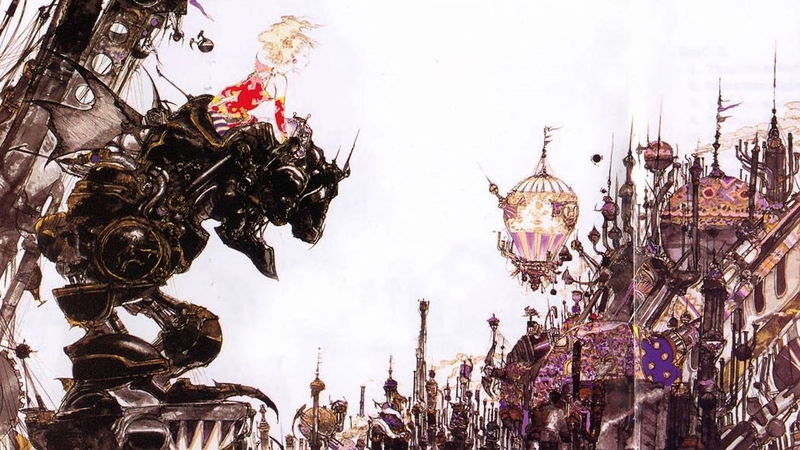
A single-game Final Fantasy 6 remake would disappoint because the game's sprawling cast, dual-world structure, and iconic set pieces demand either the multi-part treatment Final Fantasy 7 received or severe compromises that fans would ultimately reject.
Yoshida's Provocation
The debate ignited during a Final Fantasy 14 Fan Fest panel in Berlin, where producer Naoki "Yoshi-P" Yoshida offered a blunt assessment of the road ahead. "Final Fantasy 6 is such an incredibly huge game. The scale is just immense," he said. "If we did remake those other titles, we'd probably end up having to release them in four or maybe even five installments." The comment arrived as the Final Fantasy 7 Remake trilogy prepares to conclude with Final Fantasy 7 Revelation in Spring 2027, naturally turning attention toward which classic enters the remake pipeline next. Final Fantasy 6, 8, and 9 sit at the top of every wishlist, but 6 occupies a unique tier — alongside 7 as the franchise's most revered entry.
Why the Trilogy Model Worked
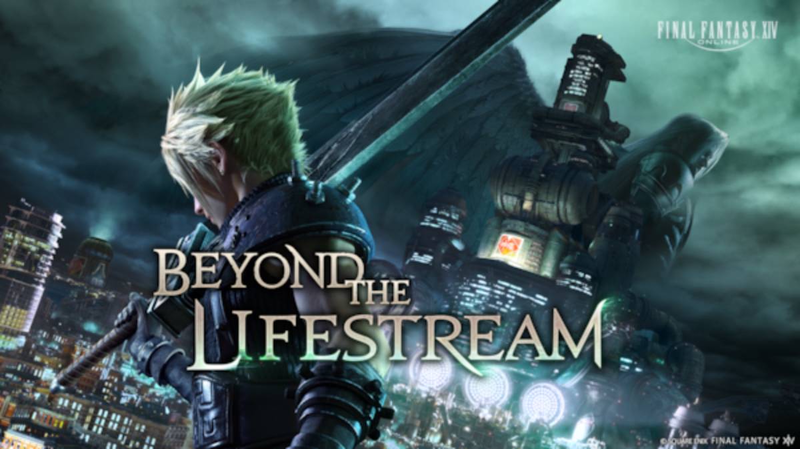
The negative reaction to Yoshida's remarks misses what the Final Fantasy 7 Remake trilogy actually achieved. Stretching Midgar across three full releases gave players more time with a world they loved, and the pacing discouraged the burnout that often accompanies 80-hour single releases. The expanded runtime allowed Square Enix to flesh out characters who barely registered in the original — Jessie, Biggs, Wedge, and even minor NPCs — transforming a party that traveled together from plot necessity into a group that felt like people gradually becoming close. Review scores tell the story: Remake (87), Intergrade (89), and Rebirth (92) on Metacritic, with user scores climbing from 8.2 to 8.8. The audience exists, and it's growing.
The False Promise of a Single Release
Confining Final Fantasy 6 to one game sounds appealing until you inventory what's actually in it. Fourteen playable characters. Two distinct world states — the World of Balance and the World of Ruin — each with their own towns, dungeons, and secrets. Optional characters like Gogo and Umaro. Entire storylines that can be missed entirely. The opera sequence. The Phantom Train. The Floating Continent. Kefka literally destroying the world and reshaping the map. Now imagine all of that with modern graphics, full voice acting, cinematic cutscenes, and unique combat mechanics for every party member. Something gets cut. Something gets rushed. And the moment Square Enix announces what that something is, the same fans demanding a single release will revolt.
The HD-2D Trap
The alternative — an HD-2D remake in the style of Octopath Traveler or Live A Live — carries its own peril. Final Fantasy 7 received three full-budget AAA productions. If Final Fantasy 6 arrives as a sprite-based throwback, the narrative writes itself: Square Enix treated the SNES masterpiece as the lesser game. Quality of the final product wouldn't matter. The perception gap would dominate discourse. This isn't speculation; it's the inevitable consequence of establishing a precedent with Final Fantasy 7 and then deviating from it.
Industry Context: Expansion as Expectation
This tension reflects a broader industry pattern. Resident Evil 2 and 4 remakes expanded their sources significantly. The Last of Us Part I rebuilt its world with television-grade production values. Players now expect remakes to not just replicate but deepen — to answer questions the originals never had time to ask. Final Fantasy 6's breakneck pacing, once a virtue, becomes a liability when measured against Rebirth's leisurely character beats. Slowing down to match that depth means more content. More content means more time. More time means multiple releases. Yoshida wasn't floating a wild theory; he was describing the arithmetic of modern development.
The Counterpoint: Not Everyone Wants a Saga
Fair to acknowledge: a vocal contingent genuinely prefers tighter, self-contained experiences. The Final Fantasy 7 Remake trilogy's structure means waiting years between chapters, and some players simply won't commit to a decade-long narrative drip-feed. HD-2D has proven commercially viable and critically acclaimed — Triangle Strategy and Live A Live demonstrate that sprite work can carry modern weight. There's also the fatigue factor: Rebirth's open-world bloat frustrated players who wanted a focused story. A single-game Final Fantasy 6 could theoretically deliver that focus. But it would require Square Enix to resist every instinct the Final Fantasy 7 trilogy cultivated — to accept "less" as a design"less"" after selling "more" as the standard.
What Comes Next
Square Enix will follow the data. The Final Fantasy 7 Remake trilogy sold well and reviewed better with each entry; that trajectory matters more than forum outrage. A Final Fantasy 6 remake announcement likely sits years away — Final Fantasy 17 (the next mainline entry) and Kingdom Hearts 4 occupy the immediate pipeline. When it arrives, watch for the phrasing. "Reimagining" suggests expansion. "Faithful recreation" suggests HD-2D. Either path alienates someone. The only version that satisfies the loudest voices is the one that doesn't exist: a single AAA game with zero compromises, infinite budget, and a three-year development cycle. Yoshida's math was uncomfortable because it was honest. The scale of Final Fantasy 6 isn't negotiable. The only question is which compromise the audience will actually live with.
Comments (0)
Loading comments…