

Stupid Never Dies, the action RPG from veteran developer studio GPTRACK50, launches October 21, 2026 on PlayStation 5 and PC via Steam, with Sega handling worldwide publishing and distribution through a new co-publishing agreement.
The Announcement Details

The release date arrives alongside two purchase tiers: a Standard Edition at $49.99 and the Glorious Idiot Edition at $59.99, which bundles the game's first DLC, TickTock Teddies: Nonsense Overload Pack. That DLC adds five cosmetic "TickTock Teddy" variants — Big Head, Chirp Chirp, Festival, Romantic, and Splash — each bringing unique visual effects and music remixes tied to specific gameplay moments like Davy Burst sequences, level-ups, and home base tracks. The game's opening and ending themes, performed by protagonists Davy and Julia, hit streaming platforms August 4.
GPTRACK50 describes itself as an independent studio founded by action game veterans, though that framing carries an asterisk. When the game was first announced in December 2025, press materials identified the studio as a NetEase subsidiary. Today's announcement scrubs that connection entirely, labeling GPTRACK50 simply as "independent." A PR representative offered "no comment" when asked about the change.
Why This Studio, Why Now

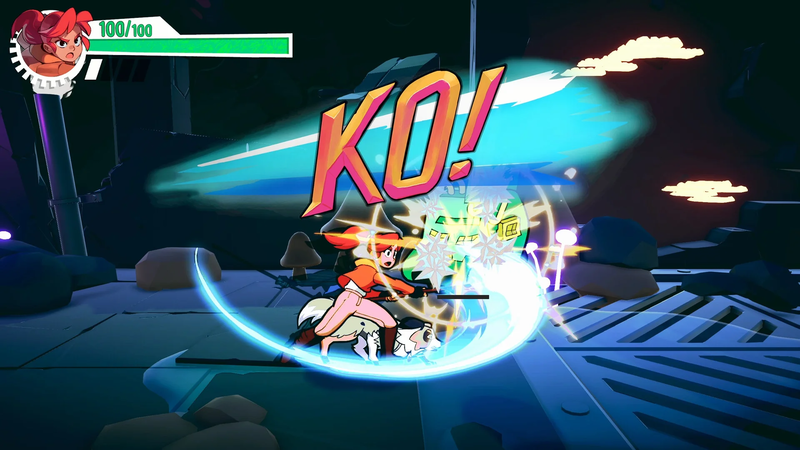
Studio head Hiroyuki Kobayashi brings serious pedigree: a former Capcom producer who worked on Resident Evil, Devil May Cry, and Mega Man. Director Eiichiro Sasaki rounds out a leadership team built on character-action fundamentals. That lineage shows in the game's pop-punk aesthetic and combat-forward design — think Devil May Cry's style system filtered through a zombie-apocalypse lens with a protagonist named Davy and a mysterious entity called Phoenix Zaza Hotfeathers.
Sega's involvement signals a publishing strategy shift. The company has increasingly backed mid-tier Japanese studios with distinct voices — think the recent partnerships around titles like Unicorn Overlord and Persona 3 Reload — rather than chasing blockbuster scale alone. Stupid Never Dies fits that mold: weird, systems-heavy, and unapologetically niche.
What This Means for Players
For action RPG fans, the Sega partnership likely means better localization (the game launches with 13 subtitle languages plus English voice acting), wider physical distribution, and a marketing push that a small indie studio couldn't muster alone. The $10 DLC bundle in the Glorious Idiot Edition is cosmetic-only — no gameplay advantages — which is refreshing in an era where "deluxe" editions increasingly lock quality-of-life features behind paywalls.
The music-first marketing push — releasing theme songs two months before launch — suggests confidence in the game's audio identity. Pop-punk soundtracks in action games remain rare outside the Jet Set Radio and No More Heroes lineages, and the protagonist-performed vocals add a layer of character integration most games reserve for cutscenes.
The NetEase Question Looms
Here's the friction point: the studio's ownership status changed between announcement and launch window without explanation. NetEase has invested heavily in Japanese development talent over the past five years, acquiring stakes in studios like Grasshopper Manufacture and Tango Gameworks. A quiet separation could mean anything — a buyback, a contract expiration, or a strategic pivot by NetEase away from console action games. The "no comment" response doesn't inspire transparency, and in an industry where studio stability directly impacts post-launch support, it's worth tracking.
The Broader Trend
Stupid Never Dies sits at the intersection of two currents: veteran Japanese developers striking out on their own (see also: Koji Igarashi's ArtPlay, Keiji Inafune's Comcept before its closure), and major publishers treating "AA" as a portfolio strategy rather than a budget tier. Sega's co-publishing model — distribution and marketing support without full acquisition — lets them test audience appetite for weirder concepts without balance-sheet risk.
What Comes Next
Summer Game Fest 2026 hands-on impressions should clarify whether the "original gameplay systems" Kobayashi teased translate to something distinctive or just marketing speak. The August 4 soundtrack drop gives an early tonal benchmark. And come October 21, we'll see if a studio built on Capcom DNA can carve its own identity — or if the "Stupid" in the title proves unintentionally prophetic.
Comments (0)
Loading comments…