
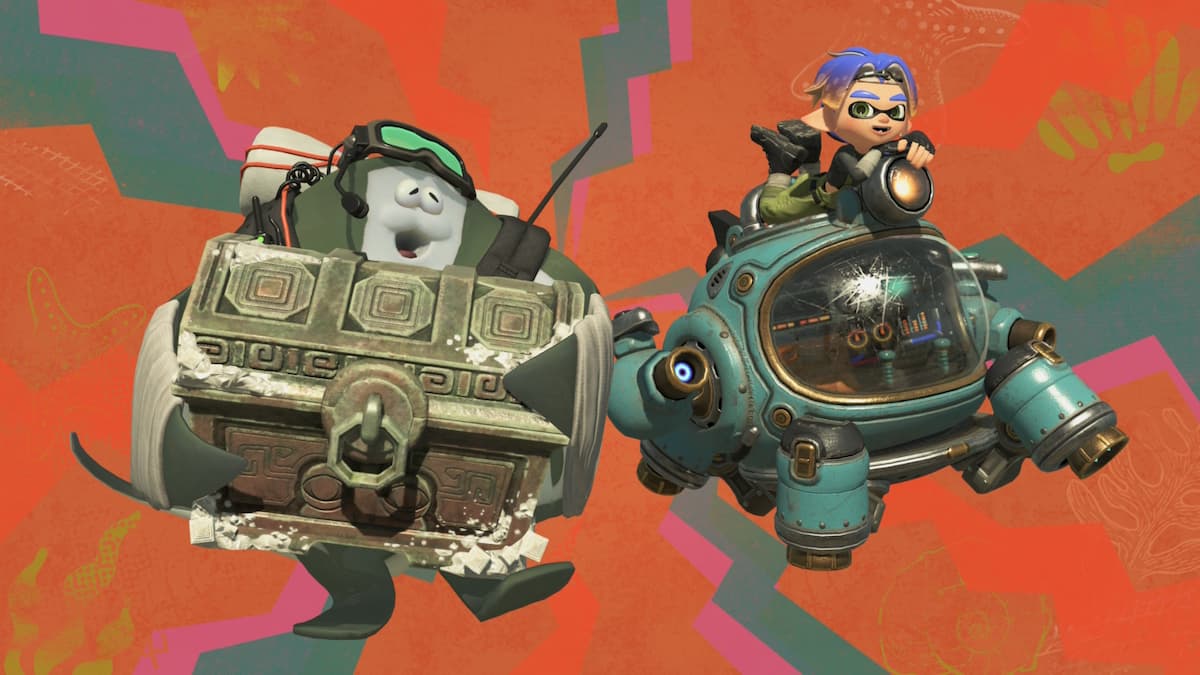
Nintendo's ink-soaked franchise just did something weird: it built a looter shooter. Splatoon Raiders on Switch 2 trades Turf War's three-minute skirmishes for PvE raids, Power Eggs, and a gear treadmill that would feel at home in Destiny or Borderlands. The shift is jarring at first — until you realize the gadget system is where the series' chaotic creativity actually survives the genre swap.
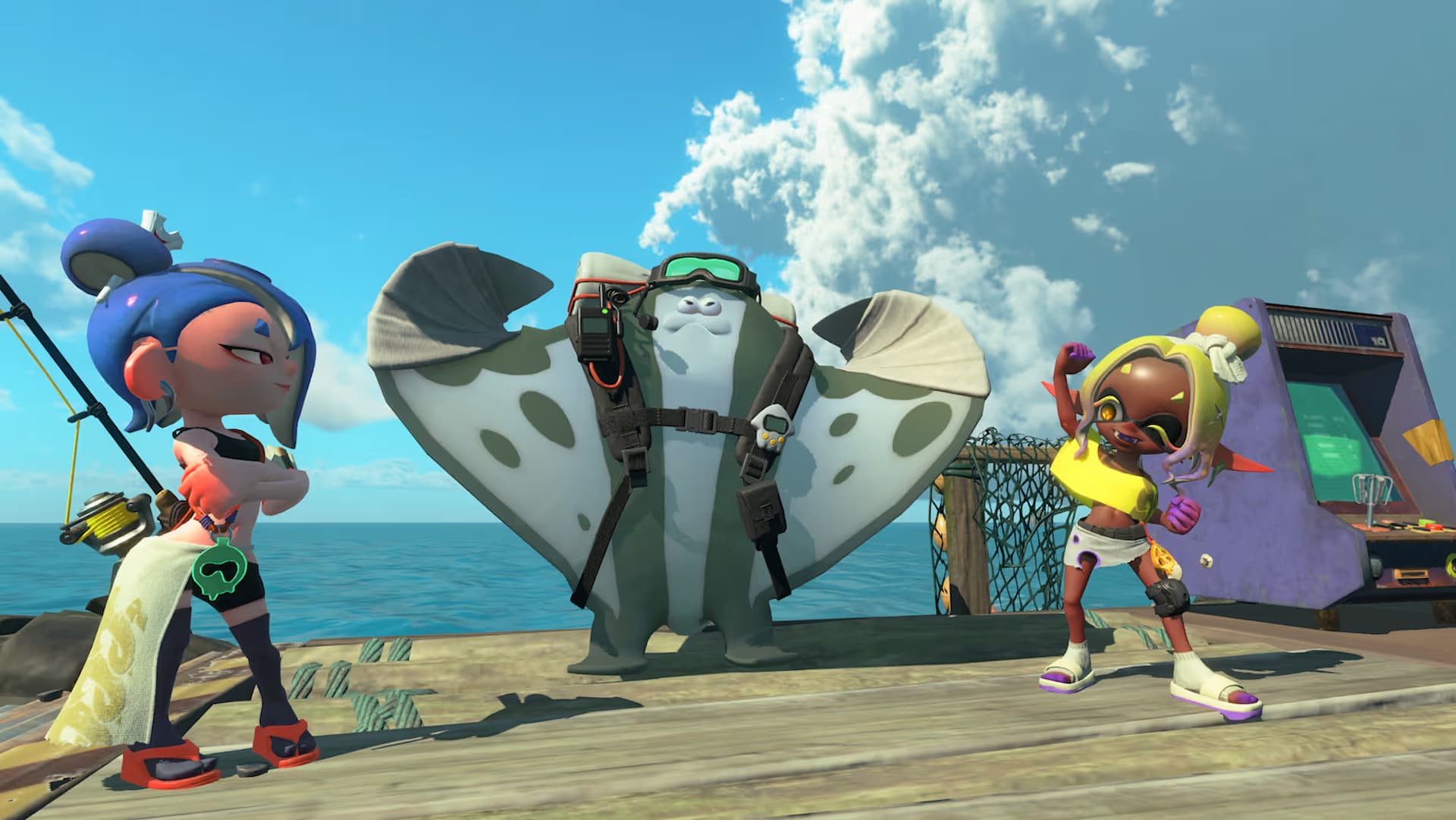
Each run starts with an Ink Tank choice — Speed, Power, or Tactical — and two gadget slots. Rank up a tank by feeding it Power Eggs and you unlock a third slot plus passive abilities. The loop is straightforward: pick a tank, slot gadgets, raid Salmonid hordes, repeat. But the gadget list itself reads like a greatest-hits album of Splatoon's weirdest ideas, repurposed for horde clearance instead of territory control.
Speed Tank: Movement as Offense
Speed Tank gadgets double as traversal and crowd control. Blast Boot launches you into the air and detonates on landing — great for escaping a swarm or initiating on a Boss Salmonid. Dash Bomb and Jump Bomb let you pick a direction on the left stick and rocket forward with an explosion attached; the former stays grounded, the latter arcs. Booyarang is exactly what it sounds like: a boomerang that explodes mid-arc and returns, clearing a wide path. Flywire might be the most versatile — it grapples to inkable surfaces and Salmonids alike, letting you reposition vertically or yank yourself out of a corner.
In practice, Speed Tank builds live or die by cooldown management. You're not tanking hits; you're creating space. Flywire plus Jump Bomb covers horizontal and vertical escape routes, while Blast Boot punishes anything stupid enough to cluster under your landing zone.
Power Tank: Raw Damage, Slow Wind-Ups
Power Tank gadgets hit harder but demand commitment. Splatchet rushes forward in a wide slash — think Splatoon's roller charge, but as a cooldown ability. Spinwheel launches a rolling projectile that locks onto Boss Salmonids if you hold the button, turning it into a guided missile. Splatellites orbits eight ink discs around you, creating a passive damage zone that inks ground and punishes melee rushers. Meteor Mitt sends you skyward for a ground slam with invincibility frames during the ascent — the panic button every build wants. Shellacker charges an exploding ink shot; longer hold, bigger boom.
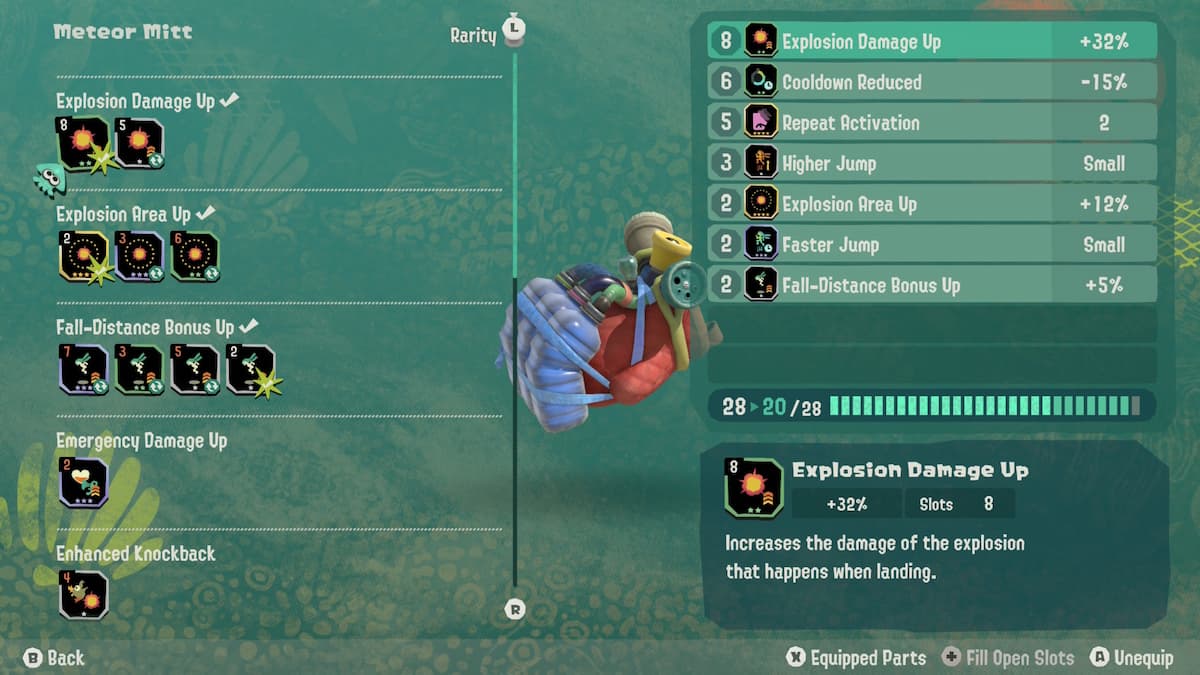
The trade-off is animation lock. Splatchet and Shellacker root you long enough for a Chinook to land a direct hit. Spinwheel's lock-on helps, but you're still standing still while it tracks. Meteor Mitt's invincibility frames are the only reliable safety valve — which explains why it shows up in nearly every endgame loadout.
Tactical Tank: Zone Control and Automation
Tactical gadgets feel closest to traditional Salmon Run specials. Shot Pot drops an auto-turret that targets crates and Salmonids — set it, forget it, and watch it shred trash mobs while you focus on bosses. Hi-Fiver fires five bouncing ink lines that linger as static damage zones; geometry awareness turns this into area denial. Bombloons are proximity mines that chain: link more, bigger explosion. Tether Wail extends a laser between you and a target; hold it long enough and the beam thickens, scaling damage. Torqscrew deploys a vortex on walls or floors that launches enemies skyward.
Shot Pot with upgraded parts effectively becomes a third teammate. Bombloons reward map knowledge — pre-place them at known spawn points and detonate as the wave arrives. Tether Wail demands line-of-sight discipline; break the beam early and you've wasted the cooldown.
The Meta Is Already Settling
Two weeks in, the community has converged on a Tactical Tank core: fully upgraded Ultra Tactical, Shot Pot, Bombloons, Meteor Mitt. The logic holds — Shot Pot handles density, Bombloons control spawns, Meteor Mitt solves the "I'm surrounded" problem with invincibility and burst. Speed Tank's Flywire and Jump Bomb remain popular off-meta picks for players who prefer repositioning over automation.
There's no bad gadget, but there are bad gadget combinations. Double-cooldown builds with no escape tool get deleted by Cohozuna waves.
The practice range at home base matters more here than in any previous Splatoon title. Gadget synergy isn't obvious from tooltips — you need to feel the cooldown rhythms, the animation cancels, the way Bombloon chains interact with Shot Pot aggro.
Nintendo's Genre Experiment Has Growing Pains
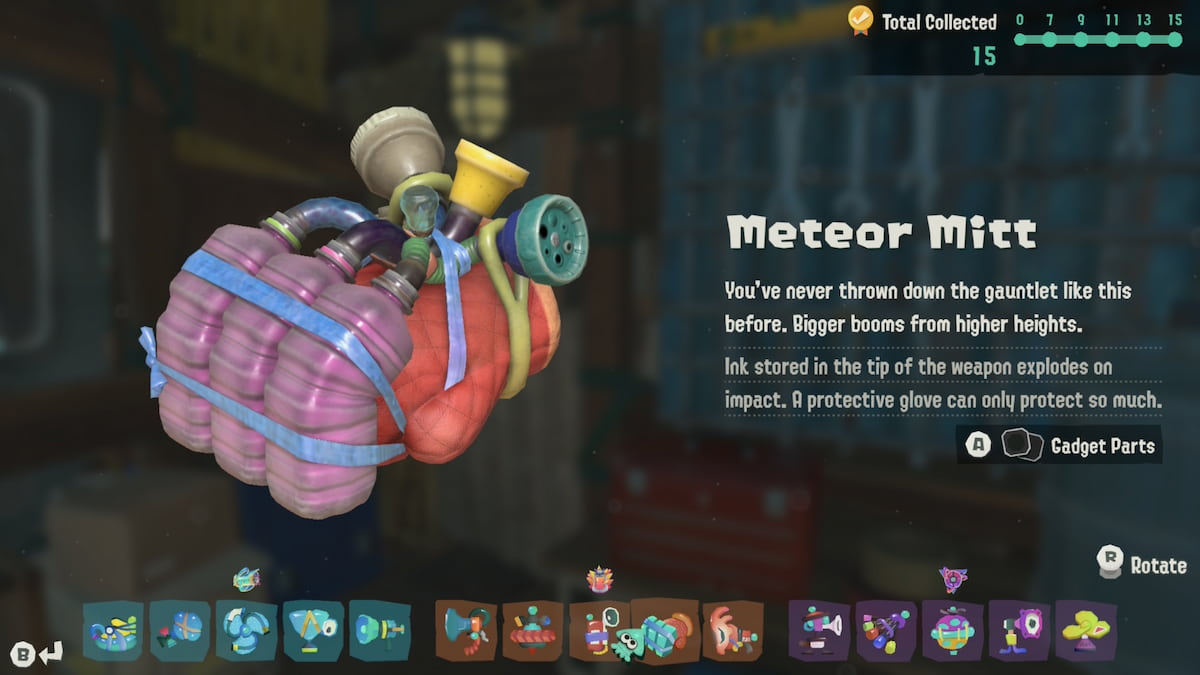
The looter framework introduces friction the series never had. Power Egg grinding gates gadget slots behind repetition. Part rng on gadgets (crit chance, cooldown reduction, radius buffs) adds a AI-style optimization layer that feels borrowed from Destiny 2 without the transparency. And the Switch 2's hardware finally renders Salmonid hordes at 60 fps without the frame drops that plagued Salmon Run on the original Switch — but the UI still struggles to communicate cooldowns cleanly in four-player chaos.
There's also the question of longevity. Splatoon's multiplayer survives on map rotation and weapon balance patches. Raiders needs raid tiers, modifier systems, and a reason to revisit cleared content — none of which exist at launch. The foundation is solid; the live-service skeleton isn't built yet.
What to Watch
First major patch will tell us everything. If Nintendo treats gadget balance like weapon balance — quarterly shifts that shake the meta without invalidating builds — Raiders could become the rare Nintendo live service that respects player time. If parts rng stays opaque and grind curves steepen, the Amazon reviews will reflect it fast. For now, the gadget system is the best argument that Splatoon's DNA survives genre translation. Just don't sleep on Meteor Mitt.




Comments (0)
Loading comments…