
Zen 6 Server Chips Could Mean Bigger, Meaner Desktop CPUs

AMD's Zen 6 server processors are not a desktop launch, but they are a very good sign that the company is still preparing roomier, more ambitious CPU families for gamers and enthusiasts later on.
The short version: Zen 6 is coming first to EPYC server silicon, where core counts, cache, PCIe lanes, and thermals matter more than single-threaded gaming. If AMD follows its normal playbook, the most interesting parts of that server work will eventually filter down into consumer chips, including the next generation of Ryzen desktop CPUs.
The Announcement: Zen 6 Is Still a Server Story

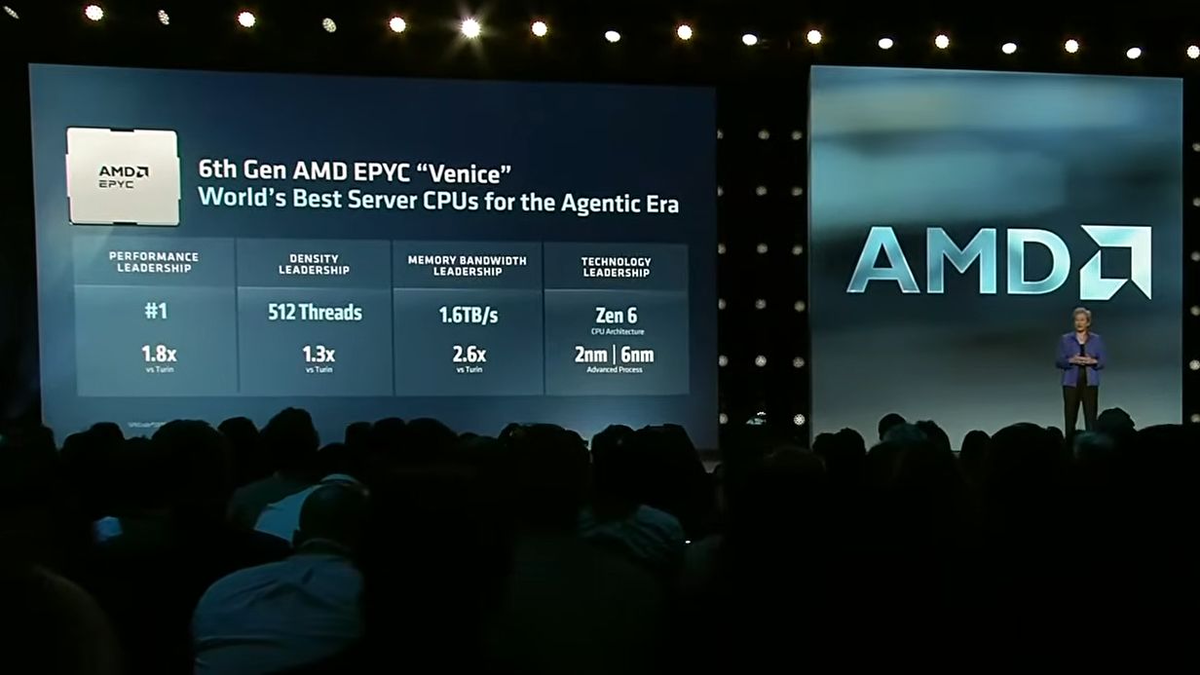
AMD's Zen 6 server processors are expected to arrive as part of its next EPYC lineup, with the architecture targeting data centers rather than your living room gaming PC. That distinction matters, because server chips are designed for long-running workloads: compiling code, rendering video, training models, running databases, and keeping cloud services alive while you argue about loot drops.
The desktop implication is not that you will see a Zen 6 gaming chip tomorrow. It is that AMD is continuing to build a full architectural ladder, from server platforms to consumer products. That is the part worth watching.
Why Server Chips Usually Matter to Gamers
Desktop CPUs often inherit ideas that first prove themselves in enterprise hardware. More efficient chiplets, better memory handling, expanded PCIe support, and larger caches can all start life in data-center parts before showing up in Ryzen models aimed at gamers and creators.
That trickle-down effect is why a server processor can feel oddly exciting. It may not be the chip you buy for a gaming build, but it can shape the chips that matter once the next consumer platform launches.
For players, the practical upside is simple: better multitasking, smoother performance while streaming, and more headroom for productivity-heavy sessions. For creators, it could mean faster exports, smoother editing timelines, and more useful cores without jumping to workstation-only hardware.
The Desktop Hope: Bigger Ryzen Chips May Be Coming
The reason the Zen 6 roadmap gets people excited is that AMD has a habit of using server silicon to keep pressure on Intel. When enterprise chips gain more cores, more cache, and more platform features, consumer chips eventually have to keep up.
That competition is good for buyers. It is also good for gamers, because the CPU wars rarely stop at productivity benchmarks. When AMD and Intel chase each other with stronger chips, the results show up in frame pacing, game loading, modded setups, and the kind of multitasking modern players actually do.
If Zen 6 brings meaningful improvements to AMD's server side, then the next generation of Ryzen could inherit enough of that progress to feel like a genuine generational leap rather than a boring refresh.
Zen 7 and Zen 8 Are Even More Interesting Than Zen 6
The bigger headline is not just Zen 6. It is that AMD appears to be talking about its roadmap beyond it, with Zen 7 and Zen 8 already on the way. That matters because short-term announcements can be noisy, but a multi-generation architecture plan suggests AMD is thinking several product cycles ahead.
For a company like AMD, that kind of roadmap discipline is part of the strategy. It gives the company time to stage new process nodes, new chiplet designs, and new platform transitions without having to surprise the market all at once.
It also means the next few years of CPUs may not be a single leap, but a sequence of pressure points. Zen 6 strengthens the server foundation. Zen 7 could refine the architecture. Zen 8 may open the door to another meaningful platform reset, depending on process technology and market timing.
What This Means for AM5, AM6, and Your Next Build
For desktop buyers, the question is less “When does Zen 6 become Ryzen?” and more “How much of Zen 6's design language will survive into the next consumer platforms?”
That includes socket strategy, memory support, PCIe generation, chiplet layout, and cache design. Those details shape what a future CPU can do long before the box hits the shelf.
If you are waiting for the next big Ryzen upgrade, Zen 6 is not the part you buy. It is the signal that AMD is still pushing the architecture forward hard enough that the next desktop release should have something substantial to offer.
Why This Feels Different From a Normal Roadmap Rumor
The hopeful part is not that anyone can point to a Ryzen 9000 successor with a confirmed launch date. It is that AMD's server roadmap gives us a clearer view of where the company is investing.
Data-center chips are expensive to design. They require serious engineering, serious validation, and serious confidence that customers will spend real money on them. When AMD keeps feeding that side of the roadmap, it usually means the company expects CPU demand to stay strong across both professional and enthusiast markets.
That is especially relevant now, because the industry has shifted. CPUs are no longer just about gaming. They sit at the center of streaming, AI workloads, local models, cloud infrastructure, and creator pipelines. A beefier server chip can be a signal that AMD expects the whole market to keep getting hungrier.
The Skeptical Read: Hope Is Not a Release Date
There is still plenty to be cautious about. Server chips and desktop chips are not the same product, and the most exciting features may never make it into consumer Ryzen parts.
AMD may also have to balance core counts, power limits, memory compatibility, and manufacturing costs. A chip that works beautifully in a rack server does not automatically translate into a practical desktop part, especially when gamers care about clock speed, latency, and platform pricing as much as raw core count.
And while Zen 7 and Zen 8 being discussed sounds exciting, roadmap items can shift. Process technology, supply constraints, and market conditions can all change the timing. So the right takeaway is optimism, not certainty.
Why AMD Needs This Momentum
AMD has spent years proving it can compete with Intel through careful architecture planning and strong value. That reputation is not something the company can coast on forever, especially with Intel trying to regain ground and with the broader PC market recovering from a long stretch of weak upgrades.
The next desktop CPU wave needs to give people a reason to care. Gamers are not always rushing to upgrade, but creators, enthusiasts, and high-end PC builders are still sensitive to performance gains that make real workloads feel easier.
That is where Zen 6's importance sits. It may not be the shiny gaming chip, but it can help AMD keep the pressure on at the top of the stack.
What Comes Next
The next things to watch are AMD's actual Zen 6 server details, any confirmed EPYC launch window, and early signs of how the architecture maps into future Ryzen platforms.
Look for improvements in cache, chiplet design, memory bandwidth, PCIe support, and power efficiency. Those are the details that will tell us whether Zen 6 is just another roadmap milestone or the beginning of a bigger desktop refresh.
For now, the best reading is straightforward: AMD is still building aggressively for the future. If the company's server roadmap keeps delivering, the next generation of desktop CPUs could be much more interesting than people expect.





Comments (0)
Loading comments…