

The latest NASCAR 26 dev diary doesn't bury the lead: dynamic track conditions are finally here, and they change how every lap feels. After years of static surfaces that barely acknowledged rubber buildup or weather, the series is stepping into simulation territory that AI-driven competitors have occupied for a while.
The video, narrated by creative director Steve Noah, breaks down three headline features. Dynamic tracks now evolve session-to-session — rubber lays down, grooves form, and rain actually alters grip levels instead of just triggering a visual filter. Chase Mode restructures the playoff format into a playable narrative arc with elimination rounds and bonus objectives. And yes, you can finally light up the rear tires with proper burnout physics, complete with smoke that lingers and affects following cars.
Why This Now
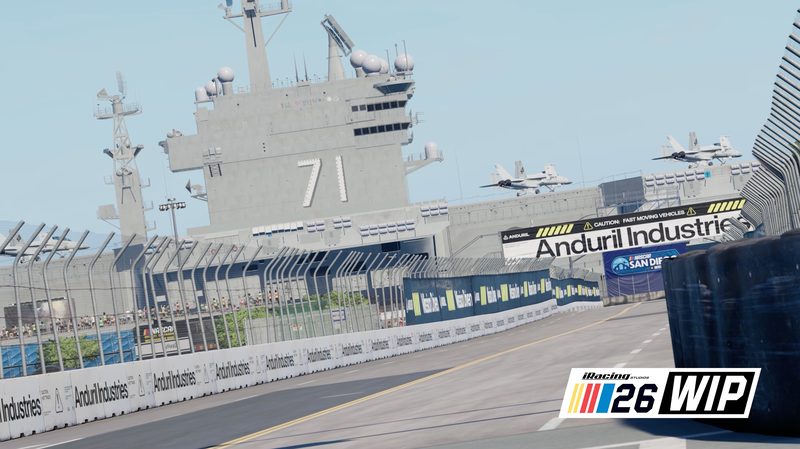
The timing isn't accidental. Activision's annualized sports model has trained players to expect incremental updates, but the racing space has moved faster. iRacing and Assetto Corsa Competizione set a simulation baseline that console titles can't ignore forever. Meanwhile, the AMD-powered current-gen hardware finally has the headroom to calculate real-time surface deformation without tanking frame rates. The dev diary makes a point of showing the feature running at 60 fps on PlayStation 5 and Xbox Series X — a quiet flex that last year's build couldn't match.
Deconstruct the Impact
Dynamic tracks are the real story here. In prior entries, the "preferred line" was a visual suggestion. Now it's a physical reality that shifts as 40 cars lay down rubber. Early practice sessions feel green and slippery; by the feature race, the groove is baked in and the marbles off-line are genuine hazards. That forces strategic decisions: do you qualify on fresh tires for track position, or save rubber for a long run when the track comes to you?
Chase Mode wraps the NASCAR playoff structure into a campaign with branching objectives. Win a round, and you unlock manufacturer-specific upgrades. Miss the cut, and you're racing for contingency prizes and pride. It's a smart way to teach the sport's byzantine points system without a tutorial wall. The burnout feature reads lighter but serves a purpose: victory celebrations and pre-race hype moments finally have weight, and the smoke physics feed back into the dynamic track system for following sessions.
The Broader Trend
Sports titles across the board are chasing "living world" credibility. Amazon Luna's cloud streaming pushes developers to build persistent simulations rather than scripted sequences. The AI arms race in procedural content means static tracks feel dated fast. NASCAR 26 isn't reinventing the wheel — it's catching up to where the genre's leaders have been for two cycles. The difference is accessibility: this runs on a $500 console, not a $3,000 rig.
Counterpoint
Annual releases still constrain ambition. The dev diary shows impressive tech, but the underlying career structure, AI behavior, and online infrastructure remain largely unshown. Microtransaction integration in the upgrade path is a valid worry — NASCAR Heat leaned hard into grind-to-win mechanics. And without cross-play confirmed, the player base fragments across three platforms, thinning the very fields that make dynamic tracks matter.
What Comes Next
Expect a deeper dive on the tire model and weather system before launch. The dev diary schedule suggests monthly drops through summer. Watch for community feedback on the Chase Mode difficulty curve — if the elimination rounds feel scripted rather than emergent, the mode becomes a one-and-done novelty. Pre-orders open next week; the real test arrives when 40 strangers hit a green track at Talladega and the groove forms in real time.





Comments (0)
Loading comments…