

The $56 Million Question
Hasbro, the toy-and-game giant that owns Wizards of the Coast (and by extension, the Dungeons & Dragons and Baldur's Gate IPs), just took a $56 million hit on some canceled video games. The company announced the impairment in its latest financial results, saying it had scrapped "several games scheduled for release in 2028 and beyond." That's a lot of money to flush down the drain on stuff nobody's ever going to play.
Before you panic: the two big-ticket titles we know about, Exodus (from Mass Effect veterans at Archetype Entertainment) and Warlock: Dungeons & Dragons (a co-op survival game from DayZ creator Dean Hall's studio), are still on track for a 2027 release. So not everything is dead. But the lineup just got a whole lot thinner, and the question is: what exactly got the boot?
What Got the Axe?
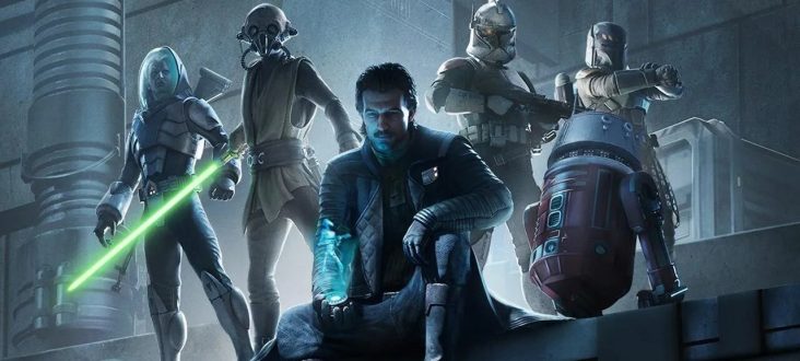
Hasbro didn't name names, but we've got a pretty good idea of at least one casualty. Back in May, the company confirmed it had pulled the plug on a Dungeons & Dragons action-adventure game being developed by Giant Skull, the studio founded by Star Wars Jedi: Fallen Order director Stig Asmussen. That deal was nixed, and given the timing, it's almost certainly part of this $56 million write-down. Giant Skull is still around—they announced a new publishing deal with a different company in September—but the D&D game they were making for Hasbro is dead.
Then there's Atomic Arcade, the studio behind a G.I. Joe game. Hasbro shuttered the studio earlier this year, though they said at the time that the game itself wasn't canceled. But now, with this impairment, its fate looks murky at best. Hasbro's statement to Kotaku was classic corporate-speak: "We regularly evaluate our digital games portfolio to ensure we're investing behind the titles and platforms with the clearest path to long-term success." Translation: we're cutting the stuff that didn't look like it was going to be a hit.
"We remain highly confident in our digital games portfolio. Exodus and Warlock, slated for 2027, both meet the bar we are setting for owned publishing: big audience potential, strong genre fit, franchise potential and meaningful opportunities beyond the initial game." — Hasbro statement
Hasbro's New Game Plan
So what's the strategy going forward? Hasbro's CEO Chris Cocks (yes, that's his real name, and it's wonderful) is essentially doubling down on what's already working. That means leaning hard into licensing and partnership deals—the kind that gave us Monopoly Go! and Baldur's Gate 3—while only greenlighting big internal projects where they "see the clearest upside." In other words, fewer bets, bigger bets. They're narrowing their focus to the stuff that has the best shot at being a home run, and filling the rest of the calendar by letting other companies handle the risk.
It's not a totally new approach. Xbox has been doing the same thing lately, shutting down studios and trimming its portfolio to focus on the biggest hitters. Hasbro is basically saying, "We're not going to try to be a full-time publisher with a dozen projects in the oven. We're going to pick our spots and partner for the rest." That's fine for the bottom line, but it means fewer weird, experimental D&D games from smaller studios.
The Baldur's Gate 3 Shaped Hole
And that brings us to the elephant in the room: who's going to make the next Baldur's Gate? Larian Studios knocked it out of the park with Baldur's Gate 3, then promptly said they weren't doing a sequel or any DLC. Wizards of the Coast has reportedly been working on remakes of the older Baldur's Gate games, but a brand-new entry is where the real money and fan interest lies. Even a risk-averse publisher like Hasbro would be foolish not to pursue it.
They've apparently tried at least once since Larian walked away, but nothing has stuck yet. With this new, more cautious publishing strategy, finding the right partner for Baldur's Gate 4 becomes even more critical. It's the kind of project that checks all the boxes Hasbro just laid out: big audience potential, strong genre fit, franchise potential, and opportunities beyond the initial game. The question is whether any studio is willing to take on that kind of pressure—and whether Hasbro is willing to pay for it.
For now, we've got Exodus and Warlock to look forward to in 2027. Everything else is either canceled, on hold, or waiting for a partner to step up. If you were hoping for a steady stream of D&D games from Hasbro itself, you might want to temper those expectations. The company is playing it safe, and that means fewer surprises—both the good kind and the bad.


Comments (0)
Loading comments…