
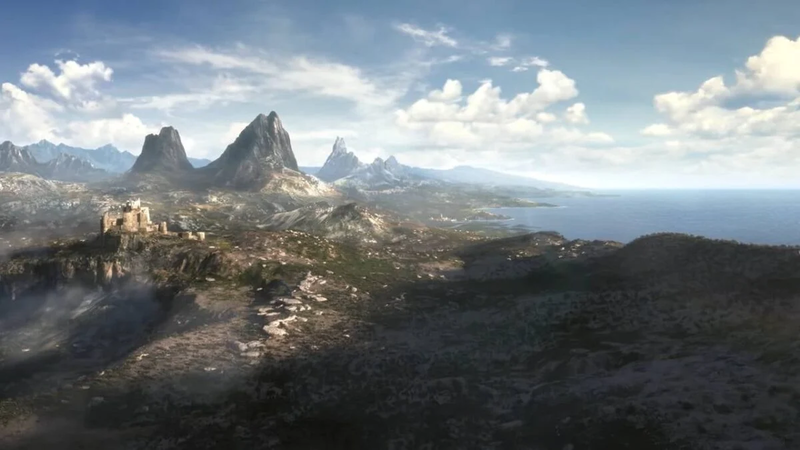
Yes, Bethesda says The Elder Scrolls 6 is not being delayed by Xbox's layoffs. In a July 22 Q&A, Bethesda answered the direct question about possible delay with one word: No. The company said the game's roadmap is unaffected, even as roughly 3,200 employees were cut across Xbox-owned studios and 440 of those cuts hit Bethesda and ZeniMax staff.
The answer is clean. The context is not.
What Bethesda actually said
When asked whether reports of a potential The Elder Scrolls 6 delay had any truth to them, Bethesda's response was blunt:
No, the roadmap is unaffected.
The company also said it is still working on optimizations for The Elder Scrolls IV: Oblivion Remastered, keeping the remaster in the conversation while Bethesda's larger slate gets attention. That matters because remaster work, live-service support, and a next-generation Elder Scrolls project all require staffing, engineering time, and leadership bandwidth.
Why the announcement arrived now
Bethesda's explanation for the timing was basically that the internet was getting noisy, and the company wanted to stop individual announcements from disappearing into smaller news cycles. Bethesda reportedly said fans and creators had been asking for a roadmap for a long time, and that bits of information were getting lost without a clear overview.
That is a reasonable explanation on paper. Bethesda Game Studios has spent years teasing, leaking, and announcing projects across The Elder Scrolls, Fallout, remasters, and online support. A consolidated roadmap can help players understand what is actually moving versus what is speculation.
But the timing also makes the statement feel strategic rather than merely informational. After a historic restructuring, a publisher does not just publish news; it publishes confidence. The roadmap is a way to say, “We still have a plan,” to fans, employees, platform partners, and competitors watching how Microsoft's gaming business matures.
Why the reassurance is hard to swallow
The concern is not that Bethesda is lying. It is that a roadmap is not the same thing as a guarantee. A roadmap can describe the current plan while staffing cuts, budget reviews, or platform priorities change the execution underneath it.
That is especially true for The Elder Scrolls 6, a game defined by secrecy, ambition, and technical risk. Open-world RPGs of this scale do not bend easily. They require large teams, years of iteration, and a lot of invisible problem-solving before the public ever sees a trailer.
So the more useful question is not, “Is the roadmap untouched?” but, “What parts of the roadmap are still fragile?” The answer appears to be: some of them.
The cuts are already showing up elsewhere
The biggest reason to doubt a clean “everything is fine” read is The Elder Scrolls Online. The team behind the game said its previously shared roadmaps would be shifting after the Xbox cuts. That is a direct example of the kind of cascading impact Bethesda employees described, even if The Elder Scrolls 6 is not officially delayed.
The Fallout announcements add another layer. Bethesda said it is working on four new Fallout games, including Fallout 5, which is already in pre-production. That is a lot of live ammunition for a studio managing cuts, remaster work, and one of the most anticipated RPGs in gaming.
It also complicates Bethesda's claim that the announcements were not forced by Xbox CEO Asha Sharma. Bethesda said the move to present more information at once reflected a long-planned communication shift. That may be true. It also fits the reality that, after layoffs, publishers often need to explain why the studio is still building.
What this means for The Elder Scrolls 6
For players, the practical takeaway is simple: Bethesda has not announced a delay. The current public plan still points to The Elder Scrolls 6 moving forward on its own schedule.
But the practical risk is also simple: staff changes can affect scope, polish, release windows, and even the shape of the game before anyone announces a delay. This is why employee concerns matter. They are not proof of failure, but they are early evidence that the project's assumptions may have changed.
There is a difference between “the roadmap is unaffected” and “the game will ship exactly as promised.” The first is a statement about the current plan. The second is a promise about execution, and that is where the layoffs become relevant.
Why this matters beyond one game
Bethesda is sitting at a complicated point in the modern game business. Microsoft owns the platform, the studio, and the publishing machine, but Bethesda's value still comes from franchises players trust: The Elder Scrolls, Fallout, Doom, Wolfenstein, and The Elder Scrolls Online. Those brands need a steady cadence, not just a few spectacular reveals.
The company's new roadmap approach suggests Bethesda wants to rebuild narrative control. Instead of letting leaks and partial reveals define the conversation, it is trying to package its slate into one clear picture. That is smart from a communications standpoint, especially when players are already worried about delays.
It also reflects a wider industry habit: publishers are using roadmaps as trust devices. When layoffs hit, a roadmap can reassure customers, but it can also expose the studio to scrutiny if later updates do not line up. Bethesda is choosing transparency now, which may pay off if the schedule holds.
What to watch next
The next signs will be quiet ones. Watch whether The Elder Scrolls Online continues to shift its roadmap, whether Oblivion Remastered receives meaningful optimization updates, and whether Bethesda keeps adding Fallout announcements without clarifying staffing.
For The Elder Scrolls 6, the most important signal is not a flashy trailer. It is consistency. If Bethesda keeps speaking in the same terms, keeps its release windows steady, and keeps employees talking about the game without caveats, the roadmap claim will look more credible.
Bethesda's answer gives players a reason to keep watching. It does not give them a reason to stop asking questions.





Comments (0)
Loading comments…