
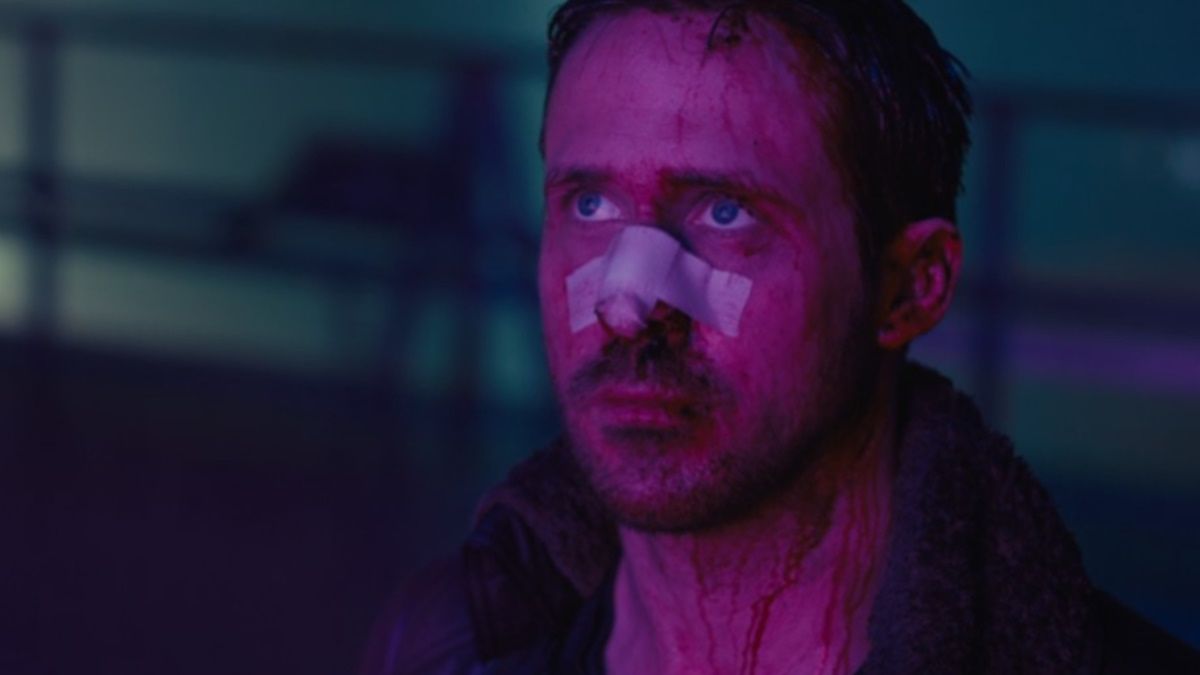
‘Blade Runner 2099’ exclusive first look at the replicant uprising: ‘The war has happened and the humans have lost.’ https://t.co/XxdHOEFNxC
Reaction on social media: see the full post
— Entertainment Weekly (@EW) July 23, 2026‘Blade Runner 2099’ exclusive first look at the replicant uprising: ‘The war has happened and the humans have lost.’ https://t.co/XxdHOEFNxC
— Entertainment Weekly (@EW) July 23, 2026
Prime Video's Blade Runner 2099 is set in the aftermath of a full-scale Replicant uprising, and showrunner Silka Luisa says the series wouldn't exist without Ridley Scott's hands-on guidance. In a new interview, Luisa revealed that Scott "shepherded" her through the creative process, ensuring the show stays true to the dystopian soul of the original film while exploring a world where the lines between human and machine have been violently redrawn.
What the Replicant Uprising Means for the Story
Luisa confirmed that the series takes place after a war between humans and Replicants — a conflict that reshaped society in ways the films only hinted at. "It's a post-war world," she explained, describing a Los Angeles still reeling from the fallout. The uprising isn't just background noise; it's the central fracture point that defines every character's struggle.
This is a significant departure from the slow-burn detective work of the original Blade Runner and the more philosophical Blade Runner 2049. Both films treated Replicant rebellion as a simmering threat or a personal awakening — never a full-blown, society-altering war. By jumping straight into the aftermath, 2099 promises a more overtly political and action-oriented story, one where the old noir atmosphere is now layered with the scars of open conflict.
Ridley Scott's Unusual Level of Involvement
Scott, who directed the original 1982 film, has been involved as an executive producer on the series, but Luisa emphasized that his role went far beyond a credit. "He really shepherded me through the whole process," she said. "He's been incredibly generous with his time and his vision."
For a filmmaker who has famously stepped back from direct involvement in many franchise extensions, this level of mentorship is notable. Scott's guidance likely ensures that 2099 avoids the pitfalls of other legacy sequels that lose touch with the original's tone. Luisa suggested that Scott helped her navigate the delicate balance between honoring what came before and building something new — a challenge that has tripped up many a sci-fi revival.
Why This Story Matters Now
The announcement comes at a time when AI and the ethics of synthetic consciousness are no longer purely speculative. With generative AI reshaping everything from art to labor, the questions at the heart of Blade Runner — What does it mean to be alive? Who gets to decide? — feel more urgent than ever. A Replicant uprising in 2099 is a natural escalation of those anxieties, projecting our current unease about automation and sentience into a full-blown societal rupture.
The series also arrives amid a wave of prestige sci-fi on streaming platforms, from The Last of Us to Fallout. Prime Video is clearly betting that the Blade Runner brand, dormant on screen since 2017, can compete in that space — but only if it brings something more than nostalgia.
Who's Behind the Camera
Beyond Luisa and Scott, the creative team includes a number of notable names. Jeremy Podeswa (Game of Thrones, The Handmaid's Tale) is directing multiple episodes, which bodes well for the show's visual ambition. The cast includes Hunter Schafer, who has proven her range on Euphoria, and the series is filming in Prague, standing in for the perpetually rain-soaked Los Angeles of the franchise.
The choice of Prague is interesting — it's a city with a distinct architectural identity that can evoke both the gleaming corporate towers and the grimy underbelly that Blade Runner needs. It also suggests the production is aiming for a practical, location-based aesthetic rather than relying entirely on digital backlots.
Reaction on the Blade Runner subreddit has been cautiously optimistic. Many fans are relieved that the show isn't a direct adaptation of existing material, but some worry that a post-war setting might lose the quiet, melancholic atmosphere that defines the franchise. "The original was about the dread of something unspoken," one user wrote. "A full war makes it too explicit."
The Skeptic's Take
There's a legitimate concern here. Blade Runner has always been more about mood than plot — the rain, the neon, the slow tracking shots across a city that feels alive and dying at the same time. A Replicant uprising, by its nature, demands action sequences, battle scenes, and a clear narrative of conflict and resolution. Those elements can easily overwhelm the contemplative noir that makes the franchise distinctive.
Luisa seems aware of this tension. She described the series as "intimate and epic at the same time," suggesting that the war serves as a backdrop for character-driven stories rather than a spectacle-first approach. Whether that balance holds will determine whether 2099 feels like a natural evolution or a genre shift that alienates longtime fans.
What Comes Next for the Franchise
No release date has been announced yet, but production is well underway. With Scott's blessing and a clear creative vision, Blade Runner 2099 has the potential to be more than just another streaming-era revival. If it can
For now, the biggest question isn't whether the Replicants will rise — it's whether the show can make us care about what happens after they do.



Comments (0)
Loading comments…