
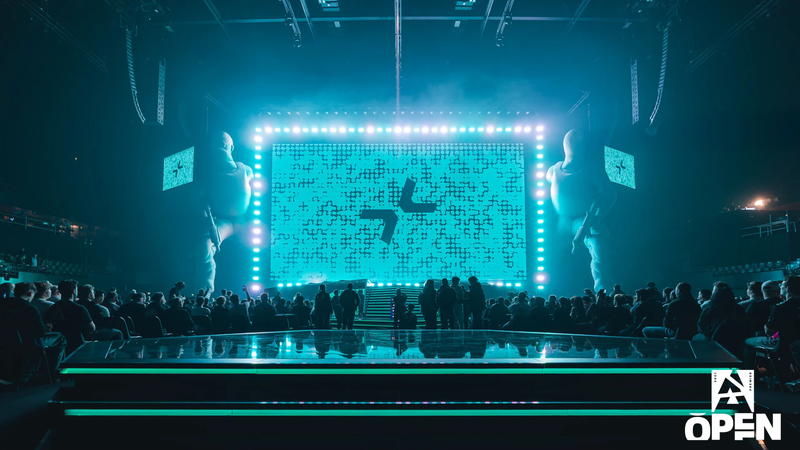
The player break is over, and Counter-Strike returns with a fresh coat of paint. BLAST Bounty Season 2 2026 launches this week with 32 teams, a revived Cache, reworked C4 mechanics, and a Malta LAN finale waiting for the survivors. The tournament picks up right where IEM Cologne left off — Nikola "NiKo" Kovač finally hoisting a Major trophy — and immediately throws the new meta into the deep end.
The Announcement
The online stage runs July 21–26 with four best-of-three series per day, each match deciding who advances toward the eight playoff berths. The top eight then travel to Amazon-owned Twitch's spiritual home for the LAN finals at BLAST Arena Studios in Malta, July 30 through August 2. A three-day gap between phases gives qualified teams time to bootcamp and adapt to the patch that dropped Cache back into Active Duty and rewrote how C4 explosions interact with utility.
Why This Now
BLAST's timing is deliberate. The post-Major window has always been where rosters prove whether their offseason moves were genius or panic. This year, the shuffle was violent: Aurora, MOUZ, The MongolZ, and Heroic all field new cores. Falcons enter as defending champions after their Cologne run. NAVI, a perennial top-five fixture, is conspicuously absent — the first time in years the organization has skipped a S-tier event. The bounty format, which pays underdogs for upsets and turns those payouts into new bounties, incentivizes chaos exactly when the meta is most volatile.
Deconstruct the Impact
Thirty-two teams means the online stage is a grinder. The bottom 16 pick their opponents in the Draft Show, a made-for-stream spectacle that doubles as strategic warfare. Each top-16 seed carries a bounty; an upset splits the pot — half to the winner's earnings, half becoming their new bounty. This redistributes prize money and VRS ranking points across the field rather than concentrating it at the top. For organizations like AMD and peripheral sponsors tracking roster stability, the format creates more meaningful matches per dollar spent on activation.
The bounty mechanic turns every upset into a story that pays dividends — literally — for the next round.
Streaming distribution covers Twitch, YouTube, and BLAST.tv simultaneously. The multi-platform approach reflects an industry still hedging against platform volatility. AI-driven highlight clipping and real-time analytics overlays have become standard on BLAST's owned platform, a trend accelerating across tournament organizers looking to own their distribution data.
The Broader Trend
This is the last Bounty season before the format evolves in 2027. The current structure — 32 teams, draft picks, bounty redistribution — has been stable since its introduction, but the competitive landscape hasn't. The AI arms race in scouting and prep means teams now simulate opponent tendencies on specific map patches within hours of release. Valve's accelerated map pool rotations (Cache returns, Ancient sits out) force orgs to maintain deeper strategic benches. The organizations that adapt fastest — not just the ones with the best aim — will dictate the next cycle.
Counterpoint
The format's charm is also its flaw. Bounty payouts create narrative gravity, but they can distort competitive integrity: a team mathematically eliminated from playoffs still plays for a bounty that affects another team's seeding. Purists argue it turns late-stage matches into exhibition affairs. There's also the NAVI absence — whether strategic rest or scheduling conflict, losing a brand that moves viewership needles hurts the product's perceived prestige.
What Comes Next
Watch the Draft Show. The underdog picks reveal which new rosters believe in their prep versus which are hiding. Track Cache win rates by day three — that's the earliest reliable meta signal. And keep an eye on Falcons: back-to-back S-tier trophies would cement their era before the 2027 format shift rewrites the rules again. The Malta finals will answer whether the offseason chaos produced contenders or just noise.



Comments (0)
Loading comments…