
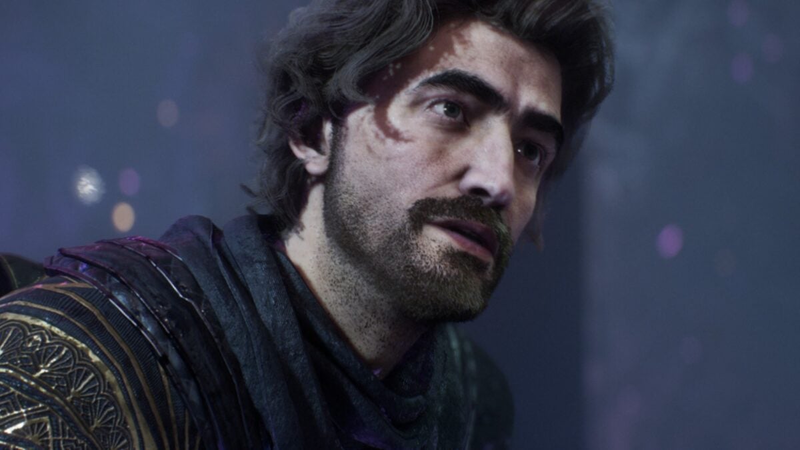
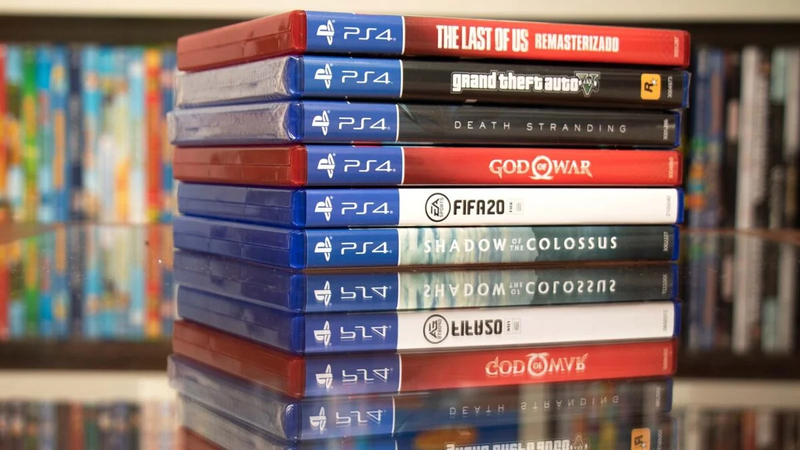
Clair Obscur: Expedition 33 creative director Guillaume Broche called PlayStation's planned 2028 end to physical disc production "super sad," and the sentiment echoes across a development team that fought to ship their own game on disc despite the added cost and complexity. Sandfall Interactive didn't have to make a physical edition — digital-only would have saved money per unit and simplified logistics — but co-founder and CTO Tom Guillermin said the studio valued letting players "hold the game in their hands." That choice, and the broader industry shift it resists, reveals a fracture between how games are sold and how they're experienced.
The Announcement and Its Immediate Fallout
PlayStation confirmed earlier this month that it will stop producing physical game discs for new titles starting in 2028, a timeline that aligns with similar moves from Xbox and the broader retail collapse of boxed software. The reaction was predictable: petitions, boycott threats, and a wave of discourse about preservation, ownership, and the fragility of digital libraries. But Broche's comments, given to Automaton during a post-launch retrospective, cut through the noise by framing the loss in artistic terms rather than commercial ones. "I think it's part of the beauty of art too — that it's something tangible that you can touch," he said. "I completely appreciate that people want to have their rows of DVDs and games and just feel that they own them."
Why Physical Still Matters to Developers
For Sandfall, the physical edition of Expedition 33 wasn't a marketing checkbox — it was a creative milestone. Guillermin described walking into a store and seeing their game on shelves as the moment the project "felt real." Lead character and concept artist Alan Reynaud extended the analogy to manga: convenient to read digitally, but a different experience entirely to own as a volume on a shelf. "I don't think we could imagine a world where manga is just scanned and stored on your computer," he said. "It would be sad to not have it in your library. I think the same applies for games."
This isn't nostalgia. It's a recognition that physical media anchors a work in the world — visible, lendable, resellable, displayable. Digital licenses, by contrast, are revocable, platform-dependent, and invisible. When Xbox servers went down in July 2026 and locked players out of their purchased libraries, the theoretical risk became immediate reality. When GTA 6's physical release in Japan was revealed to include a code that expires after 170 days, the industry signaled that even "physical" copies are becoming Trojan horses for digital control.
The Business Reality No One Disputes
Broche and Guillermin both acknowledged the financial logic. Physical production adds manufacturing, distribution, and retail margin costs. Digital storefronts take a 30% cut but eliminate the rest. For a platform holder like Sony, the calculus is stark: physical sales have plummeted to single-digit percentages of total revenue, while digital margins scale infinitely. Retail shelf space shrinks yearly. The 2028 deadline isn't arbitrary — it's the projected crossover point where maintaining disc production lines costs more than the revenue they generate.
But the developers' point isn't that Sony is wrong on the spreadsheet. It's that the spreadsheet doesn't capture what games are. Expedition 33's physical edition included a steelbook, art book, and soundtrack — objects that transform a license into a keepsake. That materiality matters for a medium that sells itself on craft, world-building, and emotional resonance. When the artifact disappears, something intangible is lost alongside it.
The Preservation Crisis Nobody Has Solved
The all-digital future arrives without a preservation framework. Delisted games vanish from storefronts with no legal path to reacquisition. Licensed titles — racing games, sports games, anything with music or brand deals — disappear routinely. The Internet Archive's game preservation efforts operate in legal gray zones. Meanwhile, physical discs, for all their degradation risks, remain playable decades later on original hardware or through emulation backed by owned media.
Sandfall's stance is notable because they're a small studio that could have gone digital-only without backlash. They chose otherwise. That choice cost them money per unit — Guillermin was explicit — but it bought them something harder to quantify: a place in players' homes that survives a server shutdown, a policy change, or a corporate acquisition.
What Comes Next
Sony won't reverse course. The economics are too decisive, and the 2028 timeline is already baked into production planning. But the conversation Sandfall surfaced — and that players have been having for years — won't end with the last disc pressing. The next battleground is digital rights: resale, inheritance, offline access, and platform-agnostic ownership. The EU has begun probing digital goods consumer rights. California's "right to repair" framework could expand to software. And studios like Sandfall, Larian, and others who treat physical media as a creative commitment rather than a legacy SKU will keep pressing discs as long as someone will manufacture them.
The disc is dying. The desire to own what you love
"Knowing that may not be possible again makes me a bit sad. And maybe it's the child in me, but I like to go outside, buy a game, and come back home with it. It's a nice feeling." — Alan Reynaud, lead character and concept artist, Sandfall Interactive
The industry will optimize for margin. Developers like Sandfall will optimize for meaning. The tension between those two impulses isn't new — but as the last disc rolls off the line, it becomes the defining question for the next generation of game ownership.
Comments (0)
Loading comments…