
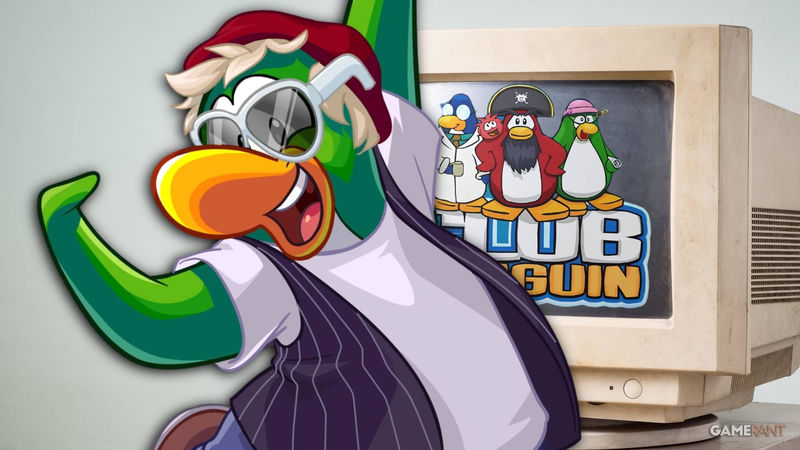
A UK Labour MP wants Club Penguin revived as a safer online hangout for children, arguing that the discontinued MMO could help the UK prepare for an under-16 social media ban. Gordon McKee, the Labour MP for Glasgow South, is using the nostalgia pitch to push a broader point: kids still need ways to learn how to socialize online without being pushed into mainstream social platforms.
McKee said on TikTok on July 24 that if his video reaches 200,000 likes, he will raise the idea in the UK Parliament. The timing is specific: the UK is moving toward an under-16 social media ban, and the debate has opened a search for safer digital spaces that are not just another algorithmic feed.
Why Club Penguin Became the Easy Answer
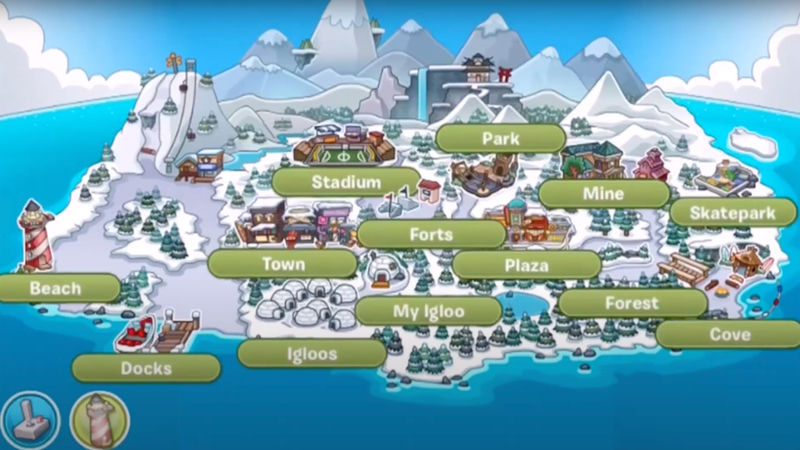
Club Penguin was not just a children's MMO; it was a heavily bounded social world. Released in 2005, bought by Disney in 2007, and shut down in 2017, it gave kids avatars, islands, mini-games, and chat, but inside walls that were easy for parents to understand.
Before Disney fully took over, the original team was famous for replying to customer emails, reportedly answering thousands of messages per day. That kind of attention is part of why the game stuck in people's heads: it treated safety as a product feature, not a legal appendix.

The UK policy push is not a simple "take the phones away" story. Kids still need to talk to friends, join communities, and learn how online spaces work, which means a ban without alternatives could create the very confusion McKee is trying to prevent.
The Safety Case Is Stronger Than the Revival Plan
McKee's argument rests on Club Penguin's old design choices: human moderators around the clock, filtered chat, no user-uploaded pictures, and limited ways to contact other players. Those restrictions sound dated next to modern platforms, but they also removed several obvious failure points: open messaging, media sharing, and uncontrolled public visibility.
Disney's shutdown ended the original version, but the safety logic remains useful because it separates "social" from "maximize engagement." A modern kids' platform would need the same instinct: fewer features, clearer boundaries, and moderation that can explain itself to parents.
The same AI arms race reshaping online moderation also makes the Club Penguin model more appealing and more expensive. AI can flag abuse, detect suspicious behavior, and help scale human review, but it cannot replace the trust that comes from a platform designed to say "no" to certain interactions.
Why This Is Not Just a Nostalgia Trip
Roblox, Discord, and other modern spaces prove that kids want connection, not just games. The problem is that those platforms are built around scale, creator tools, public discovery, and constant updates, which makes them powerful but also hard to keep clean.
Club Penguin's old appeal was narrower by design. It worked because it was not trying to become every social network a child could use.
The Pushback on the Memory Hole
Not everyone remembers Club Penguin as a pristine playground. A public X post from a user claiming to have been a Club Penguin system admin pushed back hard on the nostalgia, arguing that moderation could quietly remove threats without making the place safe.
@Dexerto I was a system admin for Club Penguin. Trust me, this was one of the worst places for kids to be. You just never saw it because people like me ensured that worst people were quietly remove
 View on X →
That claim is unverified, and it should be treated as a warning rather than a verdict. It also captures the uncomfortable part of building a kids' platform: the goal is not to eliminate every bad actor, but to make sure bad behavior is visible, reportable, and handled quickly.
What Parliament Could Actually Do
The practical barrier is ownership. Disney owns the Club Penguin IP, and there is no obvious business case for the company to revive a discontinued kids' MMO with the costs of moderation, servers, age checks, and ongoing safety oversight.
@Dexerto I was a system admin for Club Penguin. Trust me, this was one of the worst places for kids to be. You just never saw it because people like me ensured that worst people were quietly remove
View on X →Parliament can debate standards, fund research, pressure platforms, or




Comments (0)
Loading comments…