
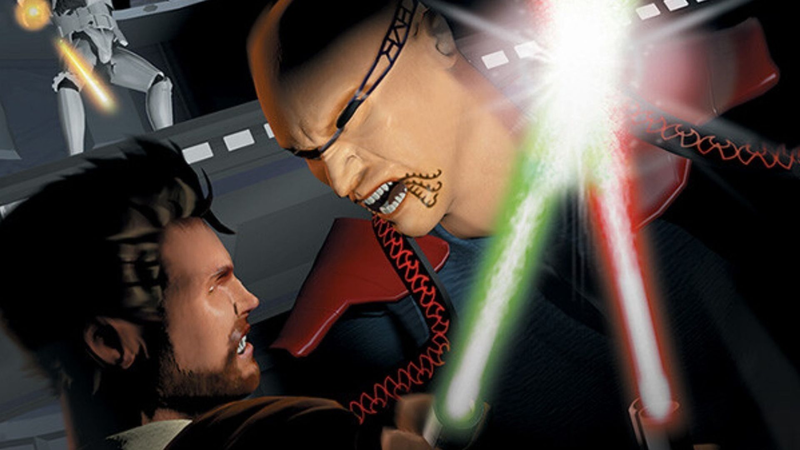
Short version: Koris Kendar’s Jedi Knight Modding Community has survived for almost 30 years because it stayed useful to a niche Star Wars fanbase, beginning in 1998 while Kendar was stationed in a secure military facility, and because the site’s old-school look is now part of its identity rather than an accident.
The unusual part is not that a Jedi Knight fan site exists. It is that one of the longest-running corners of the community started inside a secure military facility, then kept running through early-2000s forums, modding booms, platform changes, and the slow disappearance of the kind of web that made it possible.
“It looks really close to what it did back in 1998.”
A fan site with a very odd birthplace
The Jedi Knight Modding Community was conceived in 1998, when Star Wars Jedi Knight: Dark Forces II was still fresh enough for players to be sharing maps, patches, and fan projects before modern mod portals existed. The “secure military facility” detail is exactly the sort of background that would make a less disciplined community laugh, because the web’s early fandom was usually messy, personal, and gloriously unprofessional. Here, one of its long-lived archives had a launchpad with access controls.
That origin story matters less as trivia than as evidence of how far outside the usual fan-site pipeline this project came from. Kendar was not building a glossy brand site; he was giving a scattered group of Jedi Knight players a place to find files, talk shop, and keep the game alive after official support thinned out. That utility gave the site a job modern fan culture often forgets: being reliable infrastructure.
Why a 1998-style site still works
The community’s retention of its late-1990s appearance is not just nostalgia cosplay. For a community built around old games, old file formats, and old upload habits, a familiar interface lowers the friction for the people it exists to serve. A player digging through old Jedi Knight levels or Jedi Outcast mods does not need a slick homepage; they need clear links, stable files, and enough context to know what is worth downloading.
That is where the site has an advantage over newer platforms. Steam Workshop, Discord, and Reddit are faster for conversation and distribution, but they are also shaped by current algorithms and account systems. A stubbornly dated fan site can feel like a room with a handwritten sign on the door: not polished, but unmistakably specific. It tells visitors, “This is where the Jedi Knight modders were already hanging out.”
What the site is really preserving
The Jedi Knight Modding Community is preserving more than old web design. It is preserving the habits of a pre-social-media Star Wars fandom: forum threads, downloadable content, personal bios, version notes, and the patient back-and-forth that made niche communities function before every interest had a dedicated server. Those details matter because early online gaming culture was not just about playing games; it was about building the tools and customs that made play possible.
The game context helps explain the longevity. Star Wars Jedi Knight: Dark Forces II, Jedi Knight II: Jedi Outcast, and Jedi Knight: Jedi Academy all gave players a reason to keep coming back after the marketing cycle ended. The lightsaber combat was immediate, multiplayer could be chaotic, and custom levels created a constant stream of new reasons to revisit the games. A fan site could turn that curiosity into a permanent library.
The modern internet makes sites like this look impossible
The Jedi Knight Modding Community’s survival is also a reaction against the way the web has become centralized. Early fan sites thrived because the internet was a patchwork of personal servers, bulletin boards, FTP uploads, and communities built around URLs people kept sharing. Today, a site’s survival depends on hosting, domain names, moderation, security, and someone willing to keep checking that the digital equivalent of the lightsaber is still plugged in.
That is why the military-origin story lands so well. A secure facility implies discipline, structure, and continuity; the community’s continued existence suggests those qualities may have helped it outlast more polished online projects. The site did not win because it was trendy. It won because someone treated a small fan need as something worth maintaining.
What has not aged well
The same old-school identity that gives the site charm also creates real problems. A 1998-era look can be hard on new visitors, old forum software can feel intimidating, and the community’s original tone may not match the expectations of players arriving through modern Star Wars fandom. Nostalgia is useful, but it can also hide gatekeeping if a site becomes comfortable saying, “This is how it has always been.”
There is also a practical side. Hosting old files safely is not the same as simply keeping a page online. Links rot, file formats age, and moderation has to keep up with spam, copyright concerns, and the shifting landscape around fan content. A site that looks untouched may still require a lot of invisible work to remain trustworthy.
What comes next for the community
The next test for the Jedi Knight Modding Community is not whether it should become sleeker. The better question is whether it can keep serving both old fans and new ones without losing the identity that made it worth visiting in the first place. That means stable downloads, clear archives, active moderation, and enough openness for a new generation of Jedi Knight players to understand why a 1998 fan site is still relevant.
For players, the site is a reminder that some online communities are built like old hardware: simple, durable, and surprisingly good at running what they were designed for. For game culture, it is proof that fan infrastructure can outlast corporate platforms when it stays useful. The Jedi Knight Modding Community survived nearly three decades because it was never just a fan site; it was a lightsaber-shaped archive of how players kept a game alive.



Comments (0)
Loading comments…