

When Control Resonant arrives later this year and finally lets players explore Remedy Entertainment's vision of Manhattan, it won’t be the studio’s first time turning the Big Apple into a character. That legacy started 25 years ago with Max Payne, a game that dropped players into a frozen, noir-drenched New York City and never let up. It’s still worth revisiting today, both as a landmark shooter and as a clear ancestor of what Remedy is building next.
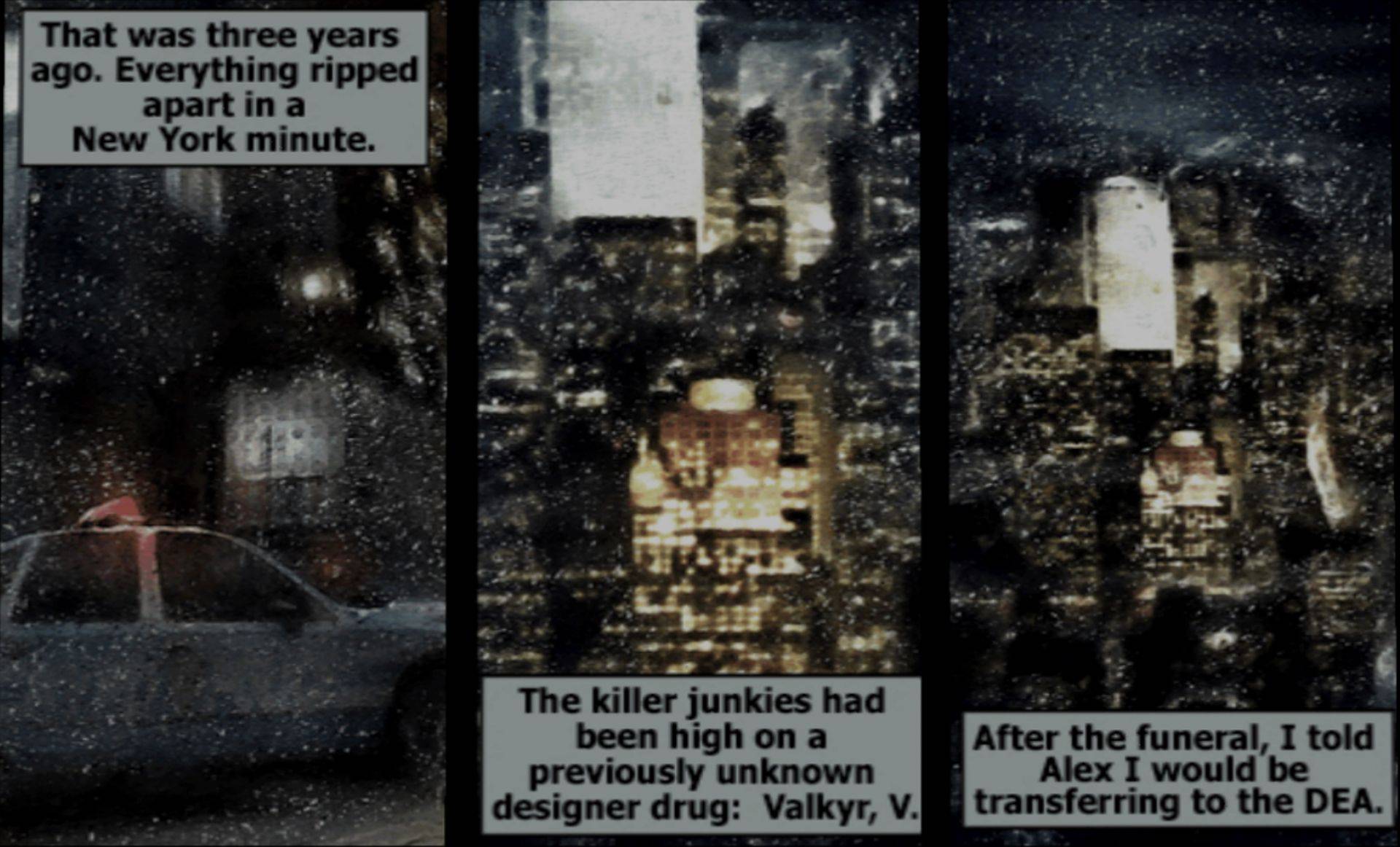
Set during a blizzard, Max Payne opens with its hero on a skyscraper roof, watching police swarm below. That sense of place is immediate and oppressive — the icy streets, the concrete canyons, the sheer weight of the city pressing down. It’s a Manhattan that feels both authentic and nightmarish, and Remedy leaned into that atmosphere hard.
The bullet-time origin story
But the game’s real innovation was bullet time. When Max dives through the air, time slows to a crawl, giving players a few precious seconds to line up headshots on enemies who move like they’re stuck in honey. It was a mechanic that defined not just Max Payne, but a whole era of action games. The shotguns in particular made the power trip nearly complete.
The plot is pure pulp: mafia infiltrators, a designer drug called Valkyr, and the murder of Max’s wife and child. Narrated by the late James McCaffrey in gruff, graphic-novel style panels, it’s a story that doesn’t flinch from tragedy. Remedy wasn’t afraid to be melodramatic, and that fearlessness is what made the game memorable.
Where the rough edges show
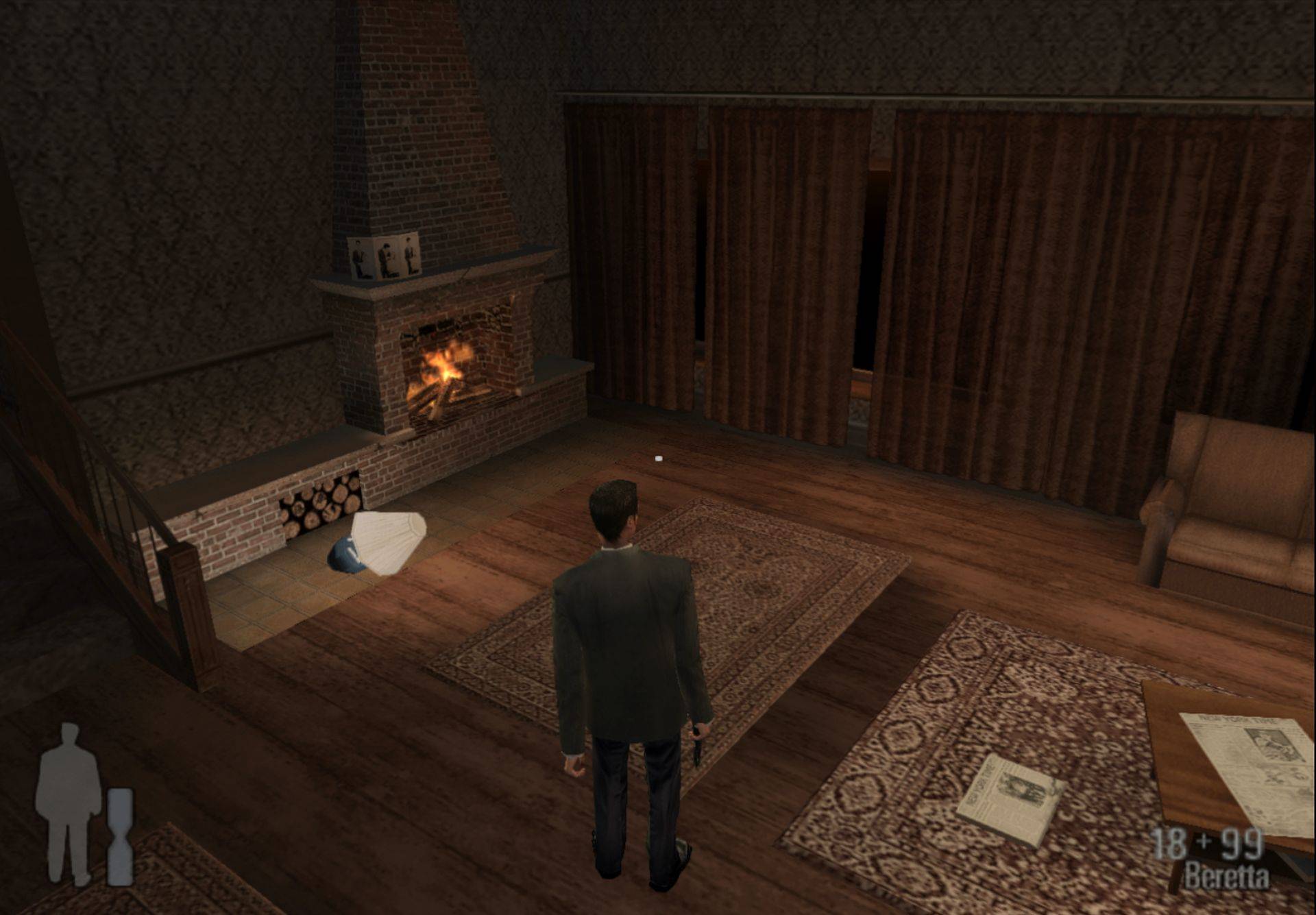
Age has not been kind to every part of the experience. On consoles, the Max Payne version struggles with an inverted Y-axis that can’t be changed, and the scarcity of healing items and checkpoints makes even the easier difficulties feel punishing. Players will clear a hallway of goons, only to die to an off-screen shotgun blast and have to retread several minutes of corridors. The PC version saves freely, which helps, but on PS2 and Xbox the game can be a test of patience.
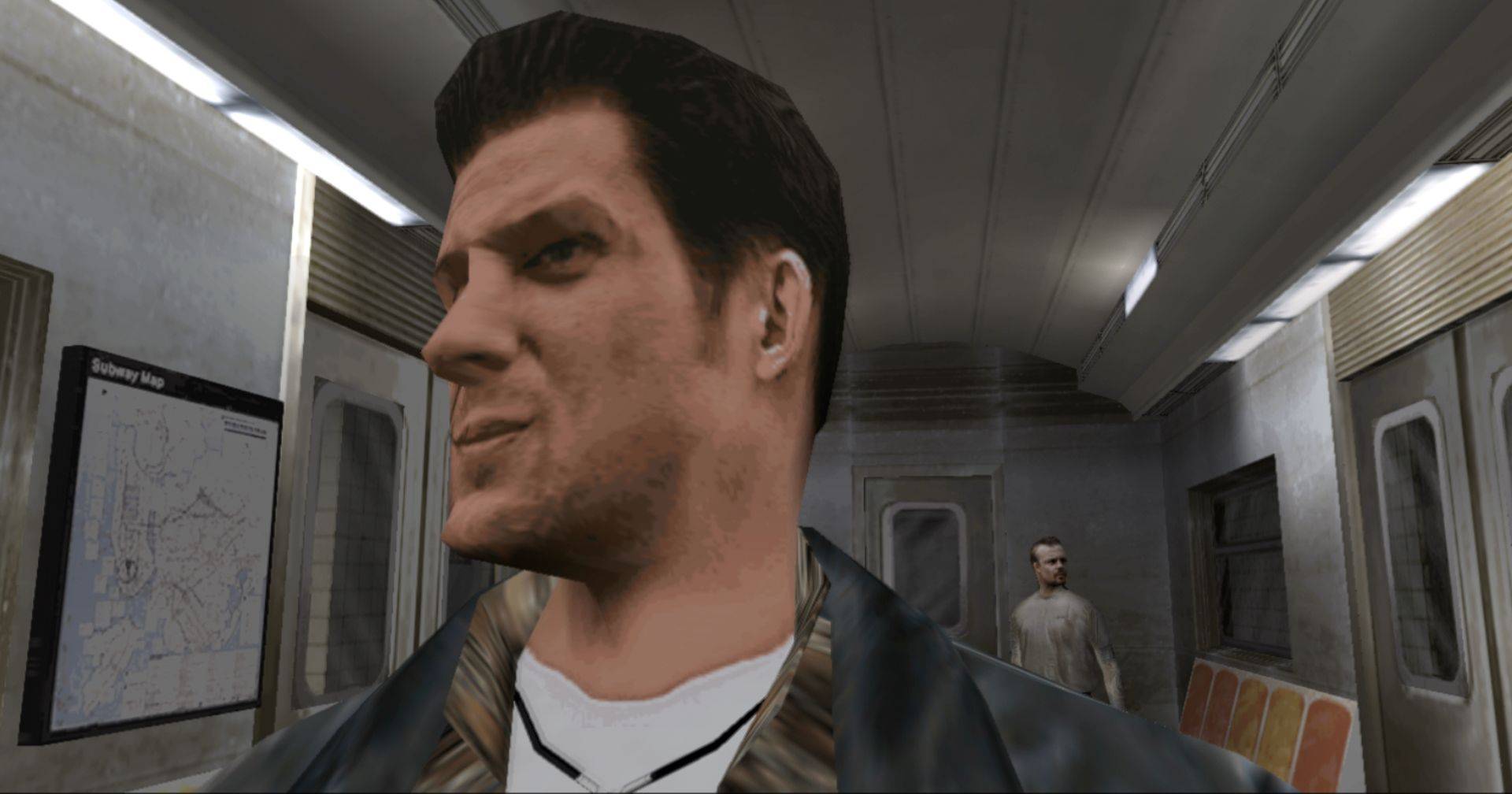
The environmental textures are bland, and Max’s permanent smirk starts to look less edgy and more goofy after an hour. Still, these are the kinds of things you accept when revisiting a 25-year-old classic. The core loop — dive, slow time, blast — holds up tremendously.
New York as a character
Remedy’s New York isn’t the sunny, web-swinging playground of Marvel’s Spider-Man. It’s a city of grimy subway stations, rundown apartments, and the Roscoe Street Station (which, for the record, doesn’t actually exist in Manhattan). That sense of place, built from a mix of real locations and fiction, is something the studio has carried into every game since, from Alan Wake’s Pacific Northwest to the shifting architecture of Control.
It’s especially relevant now because Control Resonant promises to return to that urban palette, this time with Remedy’s more mature, surrealist storytelling. The studio has spent years refining its craft — Alan Wake 2 showed what it can do with dual-protagonist horror — and that evolution started with a man in a leather jacket leaping through a frozen New York night.
Weapons of choice
Part of the game’s appeal lies in its arsenal. Alongside shotguns and pistols, players can find an AK-47 for mid-range suppression and an AN-94 for precise burst fire. These aren’t just stat sticks — they change how you approach encounters, especially when bullet time is involved. The AK-47 chews through ammo but clears rooms fast; the AN-94 rewards steady aim.
That attention to weapon feel is another through line to modern Remedy. The guns in Control and Alan Wake aren’t just tools; they have personality. Max Payne set that standard with satisfying, punchy feedback and enough variety to keep combat fresh across its eight-hour campaign.
Why revisit now?
With both the Max Payne 1 & 2 Remake and Control Resonant on the horizon, now is the perfect time to reconnect with the game that started Remedy’s love affair with New York. The remake will likely smooth over the rough edges — better checkpoints, modern controls, updated visuals — but the original is still worth playing for its audacious tone and bullet-time thrills.
If you need a reminder of why Remedy is one of the most distinctive studios working today, just load up Max Payne on PC. The graphics may be dated, but the city is still cold, the story is still brutal, and the slow-motion gunfights are still exhilarating. That’s a legacy worth celebrating, especially as we gear up for its next chapter.



Comments (0)
Loading comments…