

That Time I Got Reincarnated as a Slime remains the isekai genre's gold standard for world-building and long-running consistency, and its sprawling fourth season—currently airing its second cour from July 3, 2026—proves the series still delivers where most imitators fizzle out. With over 60 episodes planned across five split cours, the show is deep into the Eastern Empire Arc, and the animation from Studio 8bit looks sharper than ever.
What Makes Slime Different From Every Other Isekai
The isekai genre has become a conveyor belt of overpowered heroes waking up in generic fantasy worlds, but That Time I Got Reincarnated as a Slime earns its place in the so-called "big three" alongside Mushoku Tensei and Re:Zero because it actually commits to consequences. Rimuru Tempest doesn't just collect powers—he builds a nation, negotiates treaties, and faces moral dilemmas about leadership that most power-fantasy protagonists never touch.
The series has built a loyal fanbase over years precisely because it treats its fantasy world as a living, breathing place rather than a backdrop for fight scenes. That commitment to politics and infrastructure is exactly what frustrated some viewers in Season 3, but it's also what gives the show staying power when copycat series vanish after a single season.

Season 4's Big Swing: Five Cours of Story
Season 4 premiered in Japan on April 3, 2026, directed by Naokatsu Tsuda at Studio 8bit, with Kenji Yasuda as assistant director and Atsushi Nakayama as supervising director. The decision to split the season into five cours running through mid-September gives the story room to breathe—something the series has always needed.
The plot follows Demon Lord Rimuru's dream of creating an alliance between humans and monsters. That vision faces its most serious challenge yet from Granville Rozzo and his granddaughter Maribel Rozzo, who believe the only way to protect humanity is to rule over Rimuru's territory entirely.
The return of DAOKO to perform the opening song "TACTIC" has generated real excitement. It's the singer's first musical contribution to the franchise, and the digital single hit No. 38 on the Oricon weekly chart in its first week after release on July 4.
Did Season 3 Actually Hurt the Franchise?
Let's address the elephant in the room. Season 3 took a beating from fans for its slow pacing, heavy emphasis on political meetings, and reduced action. The season adapted the Saint-Monster Confrontation Arc and the Festival Arc, which meant a lot of talking, planning, and character introductions rather than the explosive battles that defined Season 2's Demon Lord ascension.
Some viewers also felt the animation dipped compared to the previous season. But here's the thing: world-building is not filler in That Time I Got Reincarnated as a Slime—it's the whole point. The Activision-size player base of fans who stuck with the series through Season 3 understand that the political groundwork pays off in later arcs. Season 4's visual quality confirms Studio 8bit listened to the criticism and tightened up the animation accordingly.

Where the Eastern Empire Arc Changes Everything
The Eastern Empire Arc introduces genuine stakes that the series has been building toward since the beginning. Granville and Maribel aren't cartoon villains—their argument that human survival requires controlling monster territories is a real ideological conflict, not just another fight. Meanwhile, Demon Lord Leon continues his own schemes in El Dorado, and the awakening of a new Hero adds another wildcard to an already crowded board.
This is where Slime separates itself from the pack. Most isekai would resolve a conflict like this with a single big battle and move on. That Time I Got Reincarnated as a Slime treats it as a multi-season political and military campaign with real consequences for the world Rimuru has spent four seasons building. The series has also spawned extensive merchandise including Action Figures and collectibles that rival the output of major shonen properties.
The Isekai Oversaturation Problem
The genre is drowning in mediocrity. Early pioneers like Inuyasha, The Vision of Escaflowne, and The Twelve Kingdoms established the template, and Sword Art Online set the modern standard for action and character drama. But the flood of copycat series that followed—same overpowered hero, same harem setup, same generic fantasy world—has left audiences exhausted.
AI-generated content and automated production pipelines threaten to make the problem worse, churning out formulaic isekai at a rate that devalues the entire genre. Against that backdrop, a series that takes the time to develop its politics, characters, and world feels almost radical. The show's continued success on Crunchyroll proves audiences will reward ambition over familiarity.
The Skeptic's View: Is the Pacing Still a Problem?
Season 4 hasn't completely escaped pacing concerns. The five-cour structure means the story unfolds at a measured pace, and viewers who want non-stop action may still find themselves frustrated. The festival sequences and council meetings that define Slime's identity are exactly what some fans dislike about it.
And the ARM-based streaming infrastructure that powers platforms like Crunchyroll means more viewers are watching on mobile devices than ever before, which puts pressure on shows to deliver quick, visually striking moments rather than slow-burn political drama.
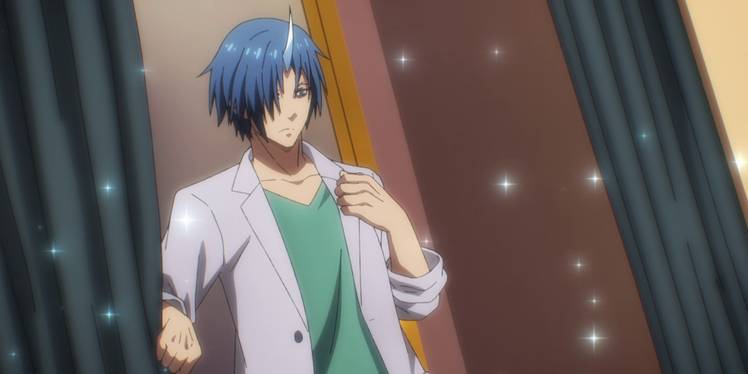
What Comes Next for Rimuru and Tempest
Episode 15, titled "An Unsettling Feeling," aired on July 17, 2026, and the season continues through mid-September. With Granville's faction pressing their advantage and a new Hero awakening, the second cour promises the kind of escalating conflict that Season 3's setup demanded.
The series remains one of Crunchyroll's flagship titles for good reason. That Time I Got Reincarnated as a Slime has done what few Ace Combat series-level franchises manage: it has grown its audience over multiple seasons by trusting its own vision rather than chasing trends. Season 4's reception will determine whether the show can maintain that momentum, but for now, it remains the isekai that other isekai aspire to be.



Comments (0)
Loading comments…