

If you’re scrambling to get caught up on the MCU before Avengers: Doomsday, the first trailer has already pointed you in the right direction. Loki has shot up the Disney Plus streaming charts following Monday’s trailer release, and for good reason: Tom Hiddleston’s God of Mischief only appears for a moment, but his two-season series is the most essential viewing for the multiverse saga — and it tells the MCU’s best redemption story.
The trailer, which debuted Monday, shows a brief glimpse of Loki in his TVA uniform alongside Mobius (Owen Wilson). That’s enough to remind viewers that the character who once tried to conquer Earth with a Chitauri army is now guarding the very fabric of reality. Loki season 1 and 2 are currently seeing a surge in streams as fans rush to understand how the trickster god became the multiverse’s unlikely hero.
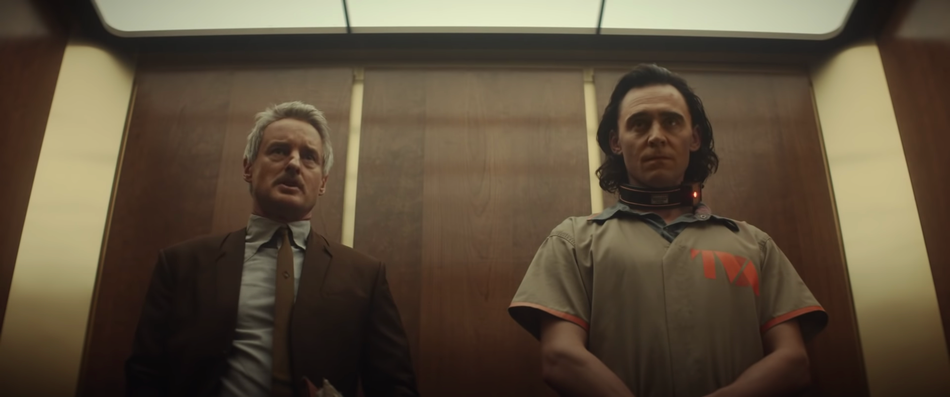
A redemption arc that rivals the best
Few narrative arcs are more satisfying than watching a former villain gradually become one of the story’s most important heroes. Zuko in Aang: The Last Airbender and Vegeta in Dragon Ball Z are the defining examples. Both begin as exiled princes relentlessly pursuing the heroes, only to become indispensable allies. Loki’s journey belongs in that conversation.
Loki starts out in Thor as a jealous prince who discovers he is secretly a Frost Giant, leading to a crisis of identity that turns him into a full-blown supervillain in The Avengers. He “dies” multiple times, only to hatch another scheme. Thor: The Dark World and Thor: Ragnarok explored the brotherly bond between Loki and Thor, before Thanos killed him at the start of Avengers: Infinity War. But the heroes meddling with the timeline during Avengers: Endgame allowed a different version of Loki to escape with the Tesseract — a version from the peak of his villainy.
That divergent timeline attracts the attention of the Time Variance Authority, a bureaucratic organization that exists outside of time and space. Captured and brought up to speed on everything his original counterpart experienced — including his mother’s death, his reconciliation with Thor, and his death at the hands of Thanos — this “time-variant” has to reckon with a life he never lived.
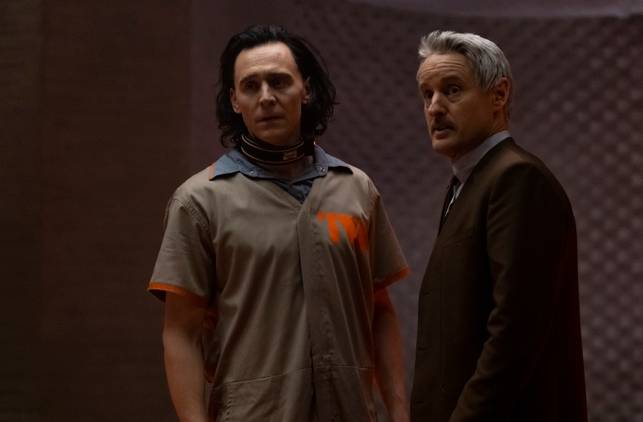
From villain to multiversal hero
What follows is a sort of buddy-cop crime thriller, with Hiddleston starring opposite Owen Wilson’s charming Agent Mobius. Despite the silly premise — a bureaucratic AI-powered agency policing time — Hiddleston delivers a remarkably complex performance. He’s not instantly redeemed, but forced to confront his mistakes. The show gives him space to explore gravitas and pathos, including one of the most endearing romances in the MCU.
Season 1 kicks off a new story arc originally supposed to culminate in a confrontation with Kang the Conqueror. But after Ant-Man and the Wasp: Quantumania followed that thread, Marvel shifted plans toward Doctor Doom (Robert Downey Jr.). Season 2 explores an increasingly unstable multiverse, focusing on Loki as he becomes unstuck in time. The result is a surprisingly emotional conclusion that positions Loki as a crucial part of the multiverse itself.
In a sense, whether the looming threat is Kang or Doom hardly matters. The show’s real achievement is completing the transformation of the MCU’s nastiest Phase One villain into one of the multiverse’s greatest heroes. It has given the God of Mischief something he’s spent centuries chasing: a genuinely glorious purpose.
Why it’s essential viewing — and why it still works
Marvel’s multiverse saga has become as sprawling as A Song of Ice and Fire in its complexity, but Loki remains the emotional anchor. The show lays the groundwork for the multiverse, but its personal story is what makes it essential. Even if you’re skeptical of the MCU’s direction, Hiddleston’s performance alone is worth the watch.
That said, the premise is undeniably ridiculous. A time-travel bureaucracy with Adventure-game level logic? It works because the show commits to its absurdity and never forgets that Loki’s emotional journey is the point. The shift from Kang to Doom might make some feel the arc is less relevant, but the finale of season 2 is so powerful that it stands on its own.
What comes next
With Avengers: Doomsday on the horizon, Loki’s position as a multiversal linchpin means he will almost certainly play a key role. Whether he returns to fight alongside the heroes or remains a sacrifice, his redemption arc is complete. If you haven’t watched Loki yet, now is the time. The show is a masterclass in turning a villain into a hero, and it’s the best preparation you can get for what’s coming.


Comments (0)
Loading comments…