
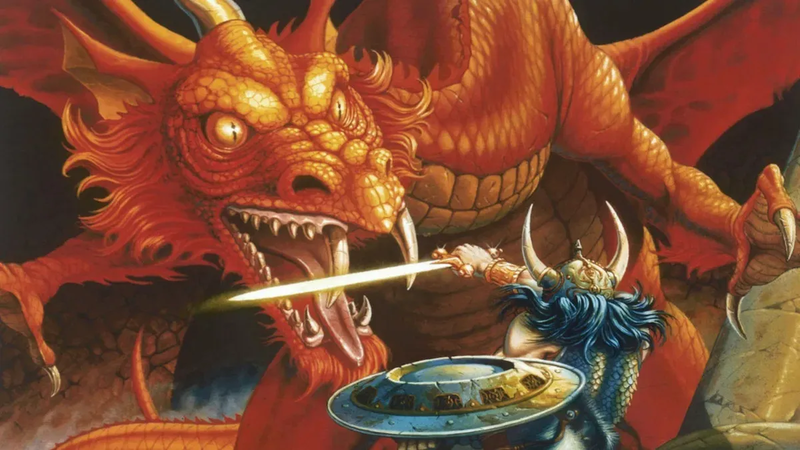
Dungeons & Dragons players already beat a company that tried to pull what Sony is doing now. The “Save the Disc” movement should take notes.
The stratagem that worked
Back in 2022, Wizards of the Coast and Hasbro tried to overhaul the Open-Game License (OGL), the legal framework letting third-party developers build content using D&D’s core rules. The proposed “OGL 1.1” would have given Hasbro full creative control over derivative works and sliced into creators’ revenue with royalty fees.
It took weeks for the community to organize. Within months, the companies backed down completely, enshrining D&D’s rules under a Creative Commons license instead.
Here’s how they did it — and what disc-preservation advocates can learn.
The playbook
Third-party content creators severed their working relationships with Hasbro. Major D&D-themed live shows announced they’d switch to other TTRPG systems like Pathfinder. And players launched a coordinated boycott of official D&D content.
“D&D players launched a well-coordinated boycott of D&D content.”
The boycott wasn’t just about refusing to buy. It was about making the ecosystem visibly move away from the company. When the audience and the creators both leave, the product becomes worthless even if it still exists on shelves.
Sony’s campaign to eliminate physical media may not involve royalty fees, but the principle is the same: a company betting its customers have no alternative but to accept the change.
As we covered in our PS5 disc drive removal analysis, Sony has been quietly chipping away at physical game ownership for years. The difference now is that the messaging has shifted from “we’re adding options” to “we’re removing them.”
Why the D&D victory matters here
The D&D community’s win wasn’t about boycotting forever. It was about making the cost of the policy higher than the cost of reversing it. Hasbro and Wizards initially hoped the outrage would blow over. When publisher after publisher walked away, and streaming shows migrated to other systems, the math changed.

For the “Save the Disc” movement, the lesson is clear: a protest that only exists on social media is easy to ignore. A protest that changes where money flows and where content appears is not.
If disc advocates want leverage, they need to target the ecosystem — not just the hardware. Publishers, retailers, and used-game markets all have a stake in physical media’s survival. Organizing around that shared interest is what turned D&D’s losing fight into a win.

As we noted in our PS5 Pro digital-only price analysis, Sony’s hardware trajectory leaves no ambiguity about its endgame. The question isn’t whether the company wants to go digital-only — it’s whether enough of the market will resist to change that calculus.
Sony’s march continues. But roll for initiative, Sony: the dice are already in the air.



Comments (0)
Loading comments…