
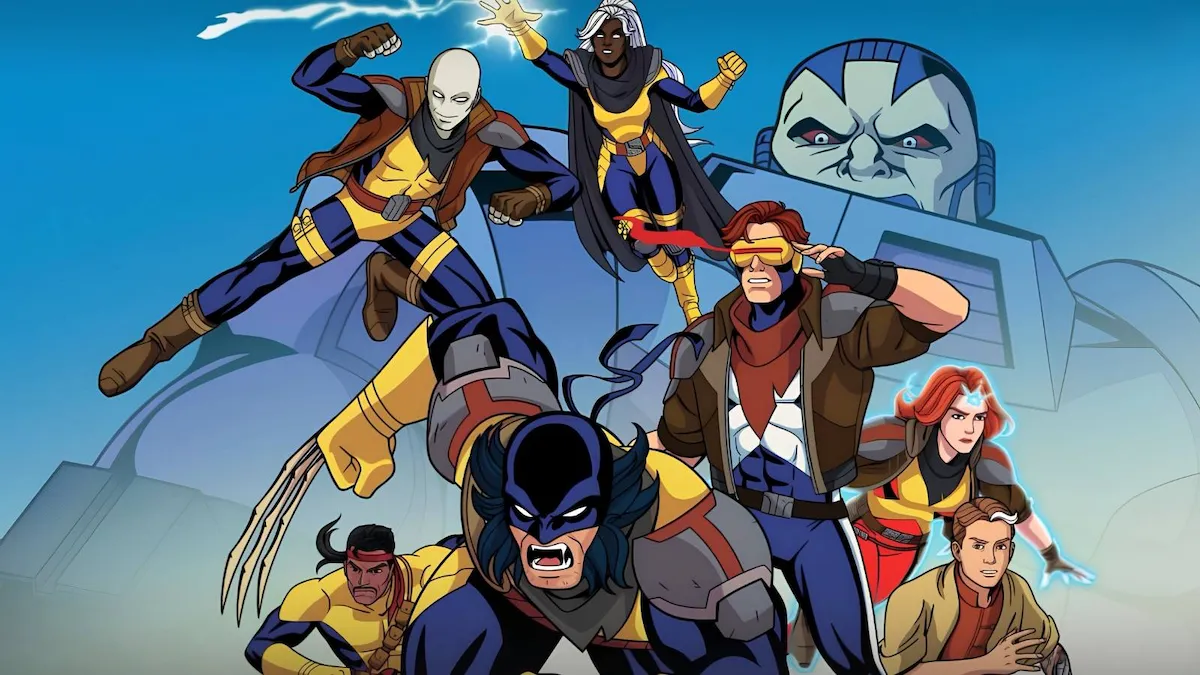
The Mutant Metagame Shifts Again
If you watched the X-Men '97 finale and immediately started theory-crafting which roster gets the spotlight next season, you're not alone. The show didn't just revive a beloved cartoon — it reminded everyone that mutant storytelling works best when the team dynamics are messy, ideological, and constantly shifting. Season 2 is already in production, and the lineup changes hinted at so far suggest Beau DeMayo and his crew are building something closer to a living comic run than a nostalgia trip.
What We Know About the Season 2 Roster Shakeup
Marvel Animation confirmed at SDCC 2024 that Season 2 will introduce multiple factions operating simultaneously — not just the core X-Men, but X-Force, the Hellfire Club, and a version of the Brotherhood that doesn't just exist to be punched. DeMayo has teased that the team splits aren't just geographic; they're philosophical. Cyclops and Storm leading separate squads isn't a scheduling conflict. It's a schism. And with Mister Sinister, Apocalypse, and the Shi'ar Empire all looming, the show has the pieces for a proper mutant cold war.

Why the Multi-Team Approach Works Now
The original series rarely juggled more than one squad at a time. But the comics have run concurrent titles for decades — Uncanny, X-Force, Marauders, Hellions — each with distinct tones. Streaming lets X-Men '97 mimic that structure without confusing casual viewers. Each faction gets its own visual language, its own moral compass, and its own reason to exist. That's not just fan service; it's narrative efficiency. You don't need a Activision-style tie-in game to explore these corners anymore. The show does it natively.
Ranking the Factions: From Essential to "Wait, Them?"
1. Cyclops' Blue Team (The Anchor)
Scott, Jean, Beast, Jubilee, Sunspot — this is the book's spine. The show earns its soap opera credentials here. Cyclops wrestling with leadership while Jean navigates the Phoenix echo and Madelyne's shadow? That's the engine. Everything else orbits this.
2. Storm's Gold Team (The Conscience)
Ororo leading Rogue, Gambit, Magik, and maybe Bishop gives the series its moral gravity. Storm without powers was the show's boldest swing in Season 1. Giving her a squad that operates differently — more guerrilla, less school — lets her philosophy breathe. Plus, Magik's limbo portal shenanigans open cosmic doors without needing a AMD GPU to render them.
3. X-Force (The Dirty Work)
Wolverine, Psylocke, Cable, Domino, maybe Deadpool if the ratings allow. This is where the violence lives. The show has been surprisingly bloodless for a Wolverine property. X-Force fixes that. It also gives Cable a reason to exist beyond "time travel exposition guy."
4. The Hellfire Club (The Suits)
Sebastian Shaw, Emma Frost, Selene — mutants playing capitalism better than humans. The show's Version of Emma has been delightfully ambiguous. Putting her in a position of institutional power, rivaling Xavier's dream with a country club veneer, is the most X-Men conflict possible. No sentinels required.
5. The Brotherhood (The Opposition That Isn't)
Magneto's absence creates a vacuum. Mystique leading a cell that includes Sabretooth, Toad, and maybe a radicalized mutant youth cohort? That's not a villain team. That's a mirror. The show thrives when "enemy" just means "different survival strategy."
6. The Shi'ar Imperial Guard (The Cosmic Wild Card)
Gladiator, Oracle, Warstar — they're not a mutant team, but they'll operate like one. The Phoenix trial storyline demands their presence. They're the referees who might become combatants. Think of them as the Ace Combat boss squadron: terrifying competence, questionable allegiance.
The Broader Trend: Prestige Animation Embraces Comic Structure
X-Men '97 isn't alone. Invincible juggles multiple hero groups. Young Justice did it years ago. But X-Men has the deepest bench of any IP in animation — decades of pre-existing rosters with built-in chemistry and conflict. Disney+ knows this. That's why they greenlit X-Men '97 before Season 1 aired. The multi-team model isn't a creative risk; it's an asset management strategy. Each faction is a potential spinoff, a merchandise line, a Amazon exclusive variant cover waiting to happen.
"The show understands that mutant culture isn't a monolith. It's a parliament." — Beau DeMayo, pre-SDCC interview
Where This Could Go Wrong
Too many balls in the air. Season 1 succeeded because it focused on the core six plus Morph and Bishop. Season 2 risks Game of Thrones syndrome — checking in with eight factions for three minutes each, advancing no one meaningfully. The animation budget also doesn't scale infinitely. X-Force's kinetic combat and the Shi'ar's cosmic vistas eat resources fast. If the Gold Team sits around a table for four episodes while the Blue Team fights Brood, viewers will notice.
There's also the Activision Blizzard elephant in the room — Microsoft's acquisition means X-Men games are coming, and they'll want synergy. The show might feel pressure to align rosters with whatever Marvel's Midnight Suns sequel or X-Men RPG is in development. Creative independence survives corporate alignment about as well as a sentinel in the Danger Room.
What to Watch For
The premiere will likely establish the split within the first two episodes — probably a philosophical fracture over how to handle the Genosha aftermath and the UN's mutant registry proposal. Watch for Storm's first command decision that Scott would've handled differently. That's the thesis statement.
Also: keep an eye on the credits. If DeMayo's name stays on the writing staff after his departure rumors, the vision holds. If not, the multi-team structure might collapse into a single "X-Men vs. Big Bad" simplification. The mutants deserve better. So do we.



Comments (0)
Loading comments…