
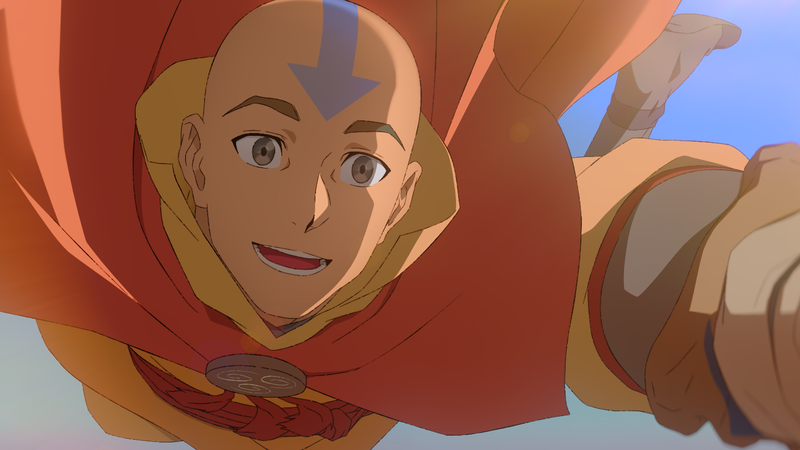
At San Diego Comic-Con, Avatar Aang: The Last Airbender director Lauren Montgomery revealed that the polished aged-up Team Avatar concept image fans saw online was not the first version at all: production designer Jake Panian repainted it after correctly predicting that the CinemaCon preview would leak.
The image, nicknamed the “Avengers shot,” showed the grown-up heroes posed together for a Paramount presentation in 2024. It leaked anyway, then kept circulating as “official” artwork in interviews, posts, and phone-camera footage from angles the studio clearly did not control.
Why the leaked “Avengers shot” matters
Montgomery’s point was not just that leaks are annoying, although they are. It was that modern movie rollouts are built around secrecy, while social media has made every preview a temporary artifact. A concept painting can go from internal reference to public marketing asset in minutes, which changes how studios, artists, and fans treat early designs.
That is especially messy for Aang: The Last Airbender, a franchise whose audience is intensely image-driven. Fans want new designs, but they also want them to feel intentional. When an unfinished or altered piece becomes the first thing people see, the reveal becomes the story before the movie even arrives.
Why the leak became part of the campaign
Montgomery told the panel that Panian pushed back on using the original image at CinemaCon because he expected it to leak. The studio reportedly wanted to show it, Panian warned it would happen, and he repainted the piece afterward. The new version became one of the main visuals used to promote the movie, and then, naturally, it leaked.
That kind of rollout is frustrating for a film that was meant to feel bigger than a routine streaming premiere. The leak did not just spoil an image; it changed the way the project could be presented, turning what should have been a controlled campaign moment into a leak-response exercise.
Why this is happening now
Paramount is using Comic-Con to push the film toward its July 25 Paramount+ release while also selling the idea that Avatar remains a living franchise, not a nostalgia package. The panel was less about one trailer and more about proof of momentum: a new movie, a new series, a new language, a game character, a soundtrack, and a physical art book all arriving in quick succession.
That is the business logic behind the leaks, too. A controlled reveal is valuable, but a leak that is funny, dramatic, and full of production detail can still give fans a sense of access. The difference is that this time the studio is trying to turn the mess into worldbuilding rather than embarrassment.
Who wins, who loses, and who gets the better art
For fans, the upside is that early concept art shows how the movie’s characters changed before final production. Montgomery showed an Aang with a chinstrap-style beard, multiple Zuko hairstyles, several Sokka designs, Toph in a “metalbending police get-up,” and a pregnant Katara version that influenced the final character design.
For the artists, the leak story is a reminder that concept art is not always destiny. Those early designs are exploratory, not promises, and the fact that the team moved away from some of them is part of the normal design process. The problem is that online audiences often treat the first image they see as the official one.
For Paramount, the risk is obvious: leaks can undermine marketing control. But there is also a silver lining. The behind-the-scenes details make the movie feel handmade, which helps justify why a 2D animated feature should exist in an era when studios often default to 3D animation.
The movie is making a case for hand-drawn animation
Bryan Konietzko said the team initially assumed a feature film would probably use stylized 3D, the same direction taken by projects such as Spider-Verse and Arcane. Then he had the obvious realization: this was Avatar, a love letter to Japanese anime, and the characters needed to stay hand-drawn.
That decision is bigger than aesthetics. Western animation has spent years chasing the glossy, dimensional look associated with blockbuster films and streaming prestige, while 2D artists are often treated as if hand-drawn work is a specialty lane rather than a serious medium. Konietzko’s comments frame this movie as part of that resistance.
The movie’s use of 2D also affects how fans experience the franchise. The original series and The Legend of Korra made Avatar feel painterly, flexible, and expressive, so keeping the film close to that language helps the aged-up cast feel like a continuation instead of a remake.
Avatarian gives the next era its own visual identity
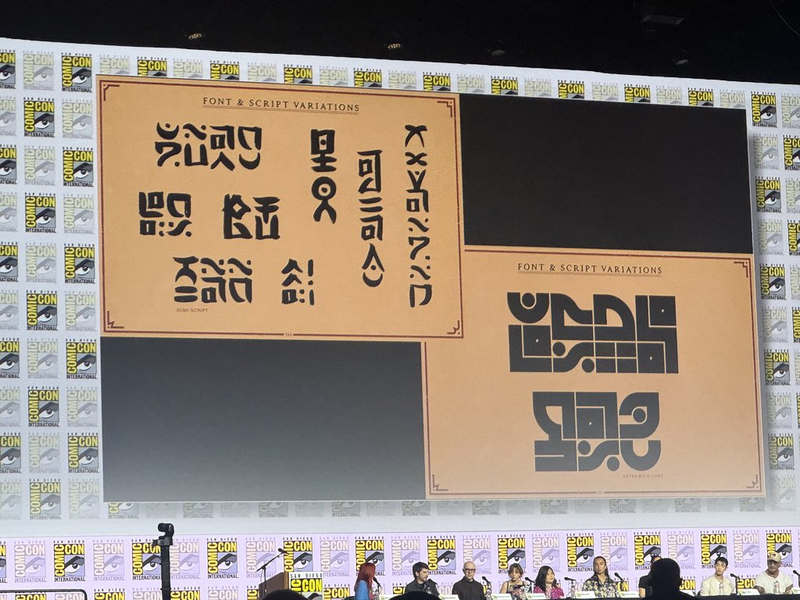
Konietzko also introduced Avatarian, a new written language for the universe moving forward. He said the team worked with cultural consultants and decided the traditional approach of using Chinese as the rhythm language for the Avatar world no longer fit the wider range of real-world inspirations shaping the franchise.
He built Avatarian as a phonetic system inspired by Hangul, the Korean alphabet he studied while working on Avatar in Korea. The result is a set of syllable-like blocks built from simplified four-element symbols, designed to feel like a language rather than the Roman alphabet wearing fantasy accessories.
A look at the written language!
#SDCC2026 #ATLA #AvatarAang
 View on X →
What the Comic-Con panel promised next
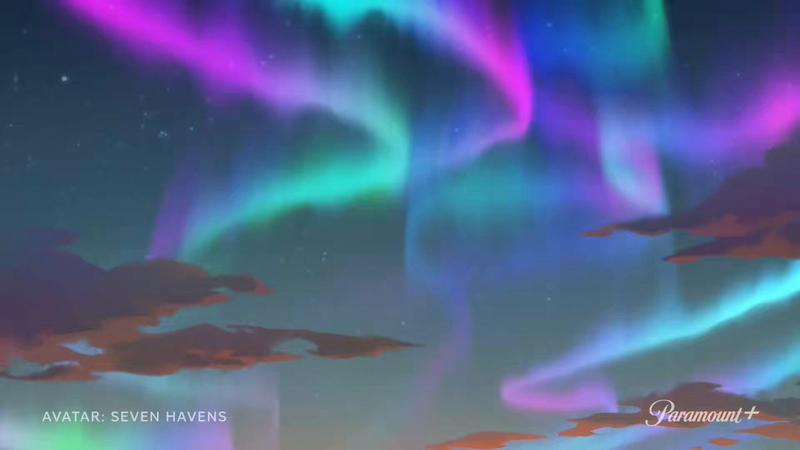
The biggest franchise announcement was Avatar: Seven Havens, a 26-episode 2D animated series about a new post-Korra earthbending Avatar. The first trailer was shown at the panel, and the series is set for October 9 on Paramount+.
New Legends Will Rise. Avatar: Seven Havens, coming to Paramount+ Oct 9th
 View on X →
The timing matters because Seven Havens is not just a side project. It shows Paramount trying to rebuild the franchise around serialized 2D animation, which is the same creative lane fans associate with Avatar’s strongest identity.
Movie, soundtrack, art book, and game tie-ins arrive together
Several release details landed alongside the creative updates. Avatar Aang: The Last Airbender comes to Paramount+ on July 25, the same day its soundtrack will be available to stream. DiMartino also teased a physical media release later, while an art book packed with behind-the-scenes details is scheduled for November.
The game side gets a push, too. Tagah, the new airbender voiced by Dave Bautista, will become a playable character in Avatar Legends: The Fighting Game, giving the film’s cast a second life in the franchise’s existing interactive ecosystem.
The leak problem is not solved by better artwork
There is one catch: showing early designs can create confusion just as easily as it builds excitement. Pregnant Katara, alternate Zuko hairstyles, and Toph’s police-inspired concept may be useful production history, but fans who only see them online can mistake them for final canon.
A look at the written language!
#SDCC2026 #ATLA #AvatarAang
View on X →

Comments (0)
Loading comments…