
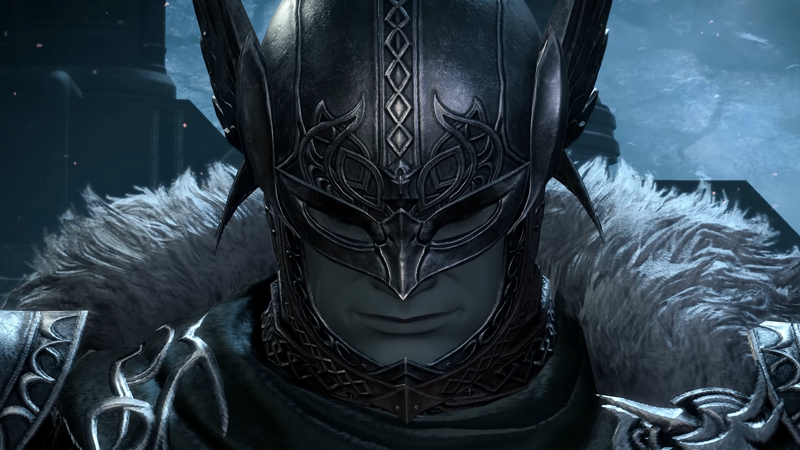
Final Fantasy XIV has added the fan-wished Viking class, a new job identity built around dual shields, laser cannons, and claws.
A Viking job lands in a game built for weird fantasies

That combination sounds impossible until you remember that Final Fantasy XIV has never treated job design as a strict fantasy taxonomy. The game has repeatedly taken familiar images, added one weird mechanical hook, and turned them into something players can spend hundreds of hours leveling, theorycrafting, and posting clips of.
The Viking job matters because it is not just another cosmetic skin with new attacks. It gives players a new identity with a clear visual promise: a shield-heavy melee fighter that borrows from Norse myth, science fiction, and clawed brawler energy all at once.
Why the job feels like a fan request instead of a spreadsheet

Final Fantasy XIV has spent years proving that a job does not need to be purely medieval to feel mythic. Gunbreaker gave samurai rhythm a gunblade, Machinist brought drones and rockets, Reaper brought death itself to the melee slot, and Dancer made performance a healing role.
The Viking job fits that tradition because it feels like a mashup built from player comments, not a committee-approved archetype. Shields usually imply a tank. Laser cannons imply ranged tech. Claws imply a brutal melee damage dealer. Putting all three into one job is the kind of contradiction that only works when the game has enough system depth to make it playable.
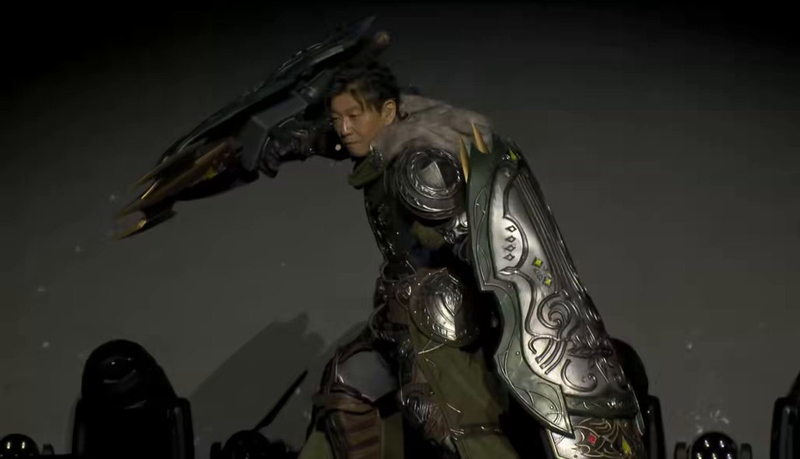
The online reaction is doing half the explaining here. On X, player reaction framed it less as a standard job reveal and more as a wish list finally getting a receipt.
Yoshi-P appearing on stage for FFXIV EU FanFest in the new tank armor holy shit 🔥
 View on X →
That is the key. FFXIV players do not only ask for balance changes or quality-of-life fixes; they ask for jobs that feel like playable memes. A Viking with dual shields, laser cannons, and claws is exactly the sort of absurdly specific fantasy that can become a full role if the design team knows what it is doing.
Why this matters for Final Fantasy XIV players
A new job is never just a new button layout. It changes what players queue for, what teams build, what loot they chase, and what kind of character they can be in a game where identity is part of the progression loop.
For casual players, the Viking job is a new reason to experiment with a role they may already like. For raid groups, it adds another layer to party composition and job coverage. For the community, it gives players a fresh symbol to debate, meme, clip, and argue over in the best possible way.
It also shows how live-service Final Fantasy XIV has turned jobs into social language. People do not just say, “I play tanks” or “I play healers.” They say, “I’m a Paladin,” “I’m a Sage,” “I’m a Dancer,” or, soon, “I’m a Viking,” and that job name carries flavor, expectations, and community baggage.
The risk is that “cool parts” are not always a rotation
There is a real danger with this kind of job reveal. A job can sound amazing when described as a pile of cool nouns, then feel less distinct once players see its rotation, gear, and balance.
The Viking job will be judged by how it behaves after the first ten minutes, not by how good it sounds in a headline. If the dual shields are just flavor, players may forgive the oddity if the combat feels sharp. If the laser cannons and claws are core to the job’s rhythm, then the reveal becomes a promise the game has to keep for a long time.
Yoshi-P appearing on stage for FFXIV EU FanFest in the new tank armor holy shit 🔥
View on X →What to watch next
The most important details to watch are the job’s role, starting level, rotation, and how much of the Viking fantasy is built into actual mechanics.



Comments (0)
Loading comments…