

I think it's safe to say that nostalgia in gaming is a double-edged sword. It can ignite fond memories, but it can also plunge us into a pit of longing for a time that may never return. Enter *Forbidden Solitaire*, a delightful homage to the 90s multimedia boom that manages to capture both the essence of that era and the thrill of innovation. You see, it's not just a card game; it’s a meticulously crafted love letter to a time when CD-ROMs promised a future teetering on the edge of chaos and creativity.

Rummaging through my old ZX Spectrum games recently, I was reminded of those Friday nights spent in the local Tesco, eyeing the exotic box art of games that promised adventures beyond my wildest dreams. *Forbidden Solitaire* taps into that nostalgia perfectly, with an aggressively purple intro movie featuring exploding wizard eyeballs that sets the stage for the bizarre journey ahead. It’s a pastiche of everything we loved and loathed about the era—lurid colors, awkward polygons, and the thrill of discovering hidden secrets through sheer determination and a bit of luck.
“Forbidden Solitaire is part meticulously realised pastiche, part 'found media' horror malarkey, and, somewhat unexpectedly, a genuinely brilliant riff on solitaire.”
But let's be clear: *Forbidden Solitaire* isn’t just a relic; it’s a modern creation borne from the minds of Night Signal Entertainment and Grey Alien Games. They’ve expertly woven together a compelling solitaire gameplay experience with a narrative that feels eerily familiar yet refreshingly new. You’ll navigate through the Forbidden Dungeon, solving card-based puzzles that grow increasingly complex, each one adorned with grotesque and imaginative elements. Imagine maggot-infested cards that deal damage or bone-locked cards that require double plays to clear. This isn’t your grandma’s solitaire; it’s a wild ride of strategy and surprise.
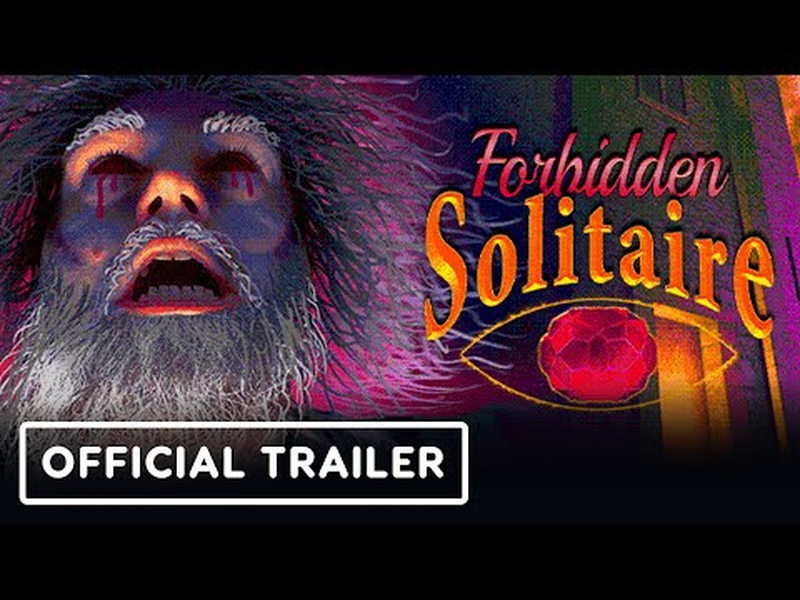
What I find particularly engaging is how the game introduces new mechanics that keep the familiar rhythms of solitaire fresh. You're not just stacking cards; you're strategizing against opponents with unique abilities and navigating through challenges that require stealth and foresight. The blend of classic card gameplay with turn-based battles and upgrades creates a robust experience that demands your attention for its five-or-so hour runtime.
Even more fascinating is the framing device of the game itself. Set against a faux Windows-style desktop, our protagonist Will discovers the long-forgotten *Forbidden Solitaire* while sifting through a thrift store. This meta-narrative adds layers to the gameplay, as his sister Emily becomes an intermittent presence, guiding and commenting as she unearths troubling rumors surrounding the game. It's a clever way to intertwine the analogue horror elements, elevating the experience beyond just playing cards to unraveling a mystery.
In a world saturated with games that often forget the importance of lore, *Forbidden Solitaire* manages to strike a chord. It’s a celebration of gaming’s cultural heritage, a trip down memory lane that feels both nostalgic and innovative. I can't help but admire how Heartblade and their partners have crafted something that pays homage to the past while boldly stepping into the future. So, if you're up for a card game that challenges your mind and tickles your sense of nostalgia, look no further than *Forbidden Solitaire*. It’s a testament to how far we've come, and a reminder that sometimes, it’s okay to look back.


Comments (0)
Loading comments…