
Sony closed Japan Studio because it wanted PlayStation's first-party lineup to be built around globally marketable blockbusters that could sell hardware, with games like God of War and Uncharted as the clearest examples.
That is the blunt answer from former PlayStation chief Sir Andrew House, who ran Sony Computer Entertainment during the PS3-to-PS4 transition and later led Sony's broader corporate strategy. His point was not that those games magically killed Japan Studio; it was that Sony's priorities had moved away from a quirky in-house lab and toward a smaller set of franchises with huge commercial upside.
“Sony wanted to drive hardware sales with games like God of War and Uncharted,” House's argument goes.
What Sony actually shut down
Japan Studio was not just another first-party team. Founded in 1993, it became the house label for some of PlayStation's most distinctive work, including Ico, Shadow of the Colossus, Katamari Damacy, SingStar, and The Last Guardian.
Its value was creative range, not just revenue. Japan Studio was where Sony could support games that were hard to classify, slow to ship, or deeply tied to Japanese design sensibilities. That made the studio beloved, but it also made it harder to justify inside a corporate structure increasingly measured by global sales, launch windows, and brand clarity.
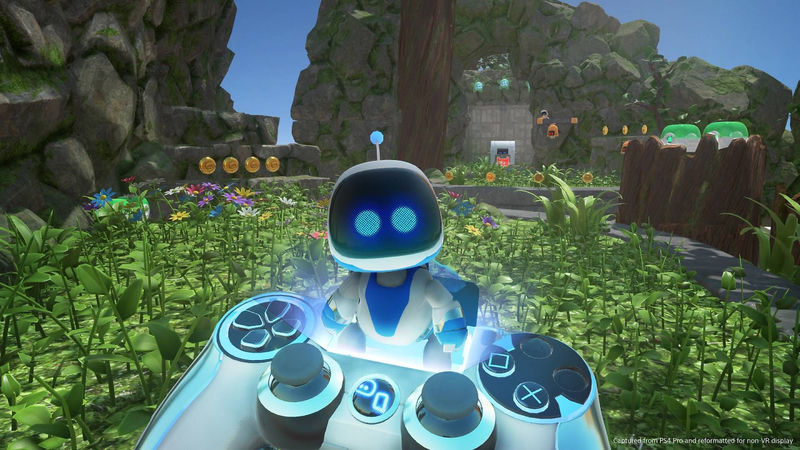
Sony announced Japan Studio's closure in March 2021, folding remaining work into newer Sony Interactive Entertainment groups. The most visible survivors were Team Asobi, Polyphony Digital, and Sony's wider Japan-based development structure, with Astro Bot and Gran Turismo 7 carrying some of the old Japan Studio DNA into the PlayStation 5 era.
Why the blockbuster argument made business sense
The important thing to understand is that console platforms do not make money from hardware alone. A PlayStation or Xbox is expensive to build, expensive to market, and expensive to keep relevant in the retail conversation.
That is why a game like God of War or Uncharted matters beyond the box it sells. It gives buyers a reason to care about the machine, gives retailers shelf space, gives marketing teams a clean message, and gives investors a clearer picture of what the platform owns.
Japan Studio's output was often more fragile than that. Some projects took years, some were niche, and some were beloved by a smaller audience than Sony needed for the next console cycle. That does not make them bad games. It just means they do a different job in the business.
What PlayStation lost with Japan Studio
The loss was not only a studio name. It was a signal that PlayStation was willing to trade some of its oddness for a more predictable flagship strategy.
That oddness had been part of the platform's identity for years. Japan Studio made games that felt like they could not have come from anywhere else, which helped PlayStation stand apart from competitors. A weird, slow, emotional game from Japan Studio could sit beside shooters, racing games, and action franchises without feeling like a marketing mistake.
After the closure, the same role shifted to smaller groups rather than one recognizable umbrella. Team Asobi now carries the mascot-friendly, playful side of that legacy, while Polyphony Digital remains the flagship racing anchor. Both are valuable, but neither is the same as Japan Studio itself.
Why this happened when it did
The decision came after PlayStation had already won much of the PS4 generation. Sony had God of War, Uncharted, Horizon Zero Dawn, Gran Turismo, and other major franchises that made the platform feel essential.
Then came the PS5 transition, the pandemic, supply problems, and a much more expensive development environment. In that setting, Sony had even less room for a studio structure that produced prestige but not always predictable commercial scale




Comments (0)
Loading comments…