
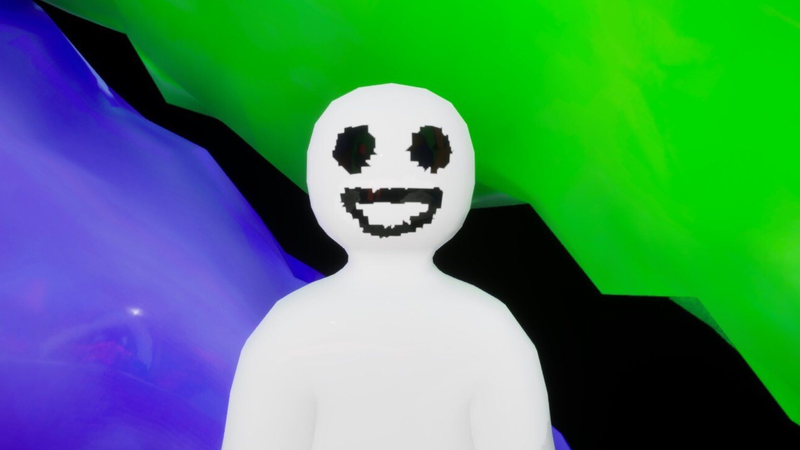
In June 2023, Meccha Chameleon reportedly generated the second-highest PC revenue of any game, trailing only Fortnite. That makes Bandai Namco's monster-collecting co-op title a surprisingly important data point for understanding how PC gaming money actually moves in Japan.
Why this matters: the ranking shows that Japan's PC market can reward live-service gacha games almost as strongly as Western giants like Fortnite.
The news comes from a games industry analyst tracking PC game revenue, not from a Bandai Namco sales bulletin. The headline claim is simple: Meccha Chameleon did not just crack the monthly top sellers. It sat in the rare company of Fortnite, which usually dominates PC revenue charts through a mix of battle pass spending, cosmetics, and relentless seasonal events.
That distinction matters because Fortnite is not just another popular game. It is a cultural machine with item-shop drops, collaborations, concerts, and a battle pass that keeps players checking back every few weeks. Meccha Chameleon reaching that level of monthly PC revenue, even while trailing it, suggests a very different kind of spending engine.
A monster-collecting game earning like a PC heavyweight
Meccha Chameleon is the kind of game that sounds niche until you look at the money. Players collect creatures, build teams, and fight in co-op action battles, with the game leaning heavily on gacha mechanics: randomized character unlocks purchased with recurring currency.
That design is not built for a one-time sale. It is built for repeated small spends, which can produce astonishingly durable revenue over time. Meccha Chameleon's placement behind Fortnite suggests that its monetization was not a one-month fluke, but a live-service loop that kept paying users engaged.
Here's the thing: the ranking is not impressive because Meccha Chameleon beat tiny indie games. It is impressive because it sat in the same monthly revenue lane as Fortnite, a title with a global audience and a monetization engine most studios would kill to build.
Why June made the ranking feel bigger
June is a useful month to watch because it sits between major holiday peaks and the late-year rush. New AAA launches may be absent or aging, while live-service games still have events, seasonal offers, and new unlock targets to push.
For Meccha Chameleon, that timing likely gave Bandai Namco a window to highlight content without relying on launch-day hype. The result also highlights a difference between visibility and value: on global social feeds, Meccha Chameleon is not Fortnite, League of Legends, or Counter-Strike.
But regional PC revenue charts can reward a game with a concentrated, highly engaged audience far more than a game with broader awareness and weaker monetization. A game does not need to be the loudest title in the room to become one of the biggest earners.
The real headline is not that Meccha Chameleon beat a list of niche releases. It is that it beat nearly everyone except Fortnite in a market where Fortnite is usually the gravitational center of PC spending.
What the ranking changes for PC revenue conversations
Meccha Chameleon's ranking points to the Japanese PC market as a place where arcade instincts, gacha economics, and co-op action can still find a large audience. Steam may be the storefront players recognize, but the behavior underneath can look closer to mobile game design than traditional PC retail.
For Bandai Namco, the takeaway is strategic. The company has long understood how to pair character appeal with recurring monetization, from arcade cabinets to mobile hits. Meccha Chameleon looks like another attempt to bring that model into PC play, where the barrier to entry is lower but the competition for attention is fiercer.
Bandai Namco benefits most directly from that ranking, because it validates a PC strategy that has not always received the same attention as console exclusives. Players benefit when a game can afford regular updates and events. The main loser is not a specific studio, but the oversimplified idea that PC revenue is dominated only by Western AAA launches and a handful of global esports titles.
The bigger live-service pattern
This is part of a wider industry shift toward games that act like services even when they are sold as single experiences. Developers are less interested in a clean launch window and more interested in monthly l
Meccha Chameleon's June ranking fits that playbook, with revenue depending on habit and progression as much as on the base game. It also complicates the usual East-West split. Western PC gaming often gets attention for discounts, modding communities, and indie breakthroughs, while Japan's PC market can follow stronger gacha and character-driven monetization rules.
The ranking is impressive, but it has limits
The most important caveat is that revenue is not profit. A gacha game can generate large gross sales while spending heavily on marketing, licensing, content updates, and platform fees. A monthly analyst estimate also depends on the data it can observe, so the exact figures should be read as a strong signal rather than a courtroom exhibit.
There is also a sustainability question. Fortnite benefits from a massive global audience and a constant stream of collaborations. Meccha Chameleon may be able to keep earning from a loyal Japan-centered player base, but sustaining second place behind Fortnite would require the game to keep refreshing its roster, events, and reasons to spend.
What this means for players and publishers
For players, the ranking is less about a leaderboard and more about what kinds of games are being funded. If Meccha Chameleon keeps performing, publishers are more likely to treat PC as a serious home for live-service games that might once have stayed mobile-only or regionally focused.
That can mean more experiments with co-op action, monster collecting, and recurring unlock systems. For publishers, the lesson is equally blunt: a game does not need to be the biggest cultural talking point to be one of the biggest earners.
What to watch next
Future monthly rankings will tell us whether Meccha Chameleon was a powerful June spike or the start of a longer run. Watch for sustained performance, new monster drops, seasonal events, and whether Bandai Namco pushes the game harder outside Japan.



Comments (0)
Loading comments…