
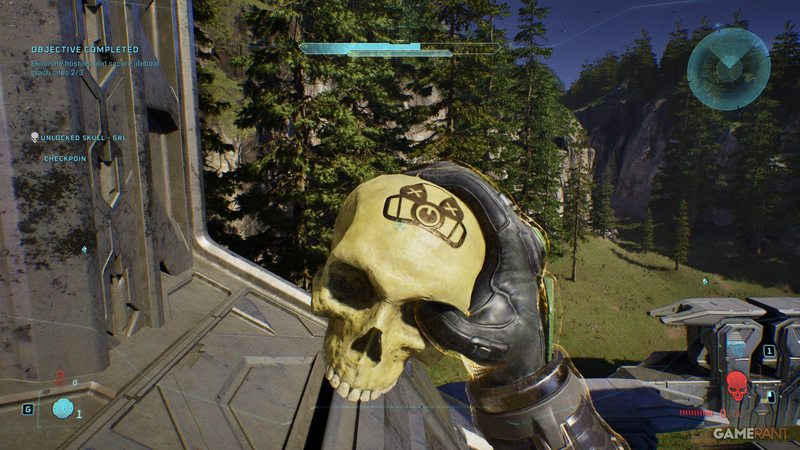
Halo Campaign Evolved's second mission, simply titled "Halo," hides four collectibles across its sprawling ringworld landscape: one Terminal and three Skulls. Miss any of them and you'll need to restart the mission entirely — the level ends the moment the last Covenant drops, locking you out of backtracking.
The Forgotten Terminal sits in a structure Cortana dismisses as a cave. The Give & Take Skull lurks off the beaten path near the first lifeboat objective. Floor is Lava waits on a rock overlooking the sniper arena. Grunt Funeral demands a grenade jump up the central building's diagonal ramps. Here's exactly where to find each one, in the order you'll encounter them.
Terminal #1: Forgotten
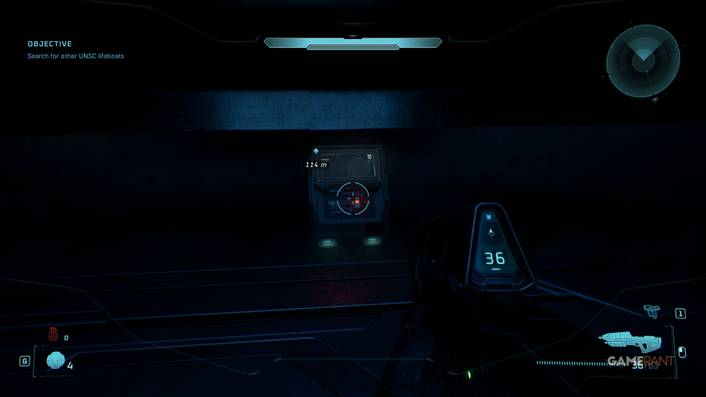
You won't spot this until after the Warthog sequence begins. Fight through the opening Covenant waves alongside Sgt. Johnson and the Marines, then claim the 'Hog. Drive down the hill into the large Forerunner structure — the one Cortana misidentifies. Keep right as you navigate the interior corridors. A window opening appears on the right wall; brake, hop out, and drop through. Turn around immediately. The Terminal glows in the shadows opposite the ledge you just fell from.
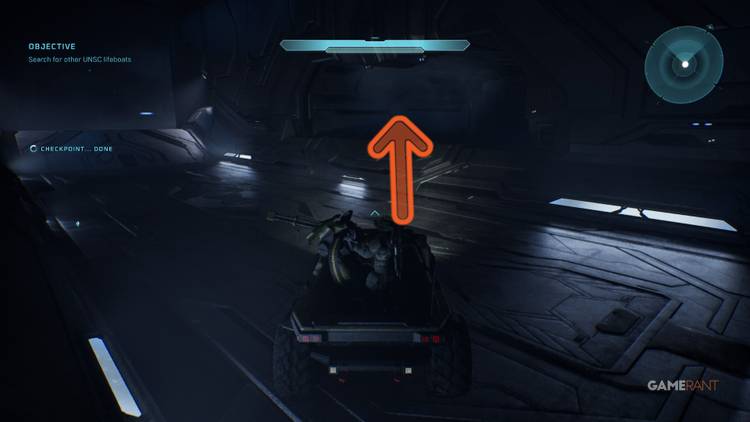
This one's straightforward if you know to look right. The mission's momentum pushes you forward, and the window blends into the geometry. Slow down. The Terminal isn't going anywhere.
Skull #1: Give & Take
After crossing the underground bridge, the lifeboat objectives activate. The game directs you right. Don't. When the river stream appears on your left, follow it upstream. Take the immediate left fork toward a pair of rocks jutting from the water. The Skull hovers above them, impossible to miss once you're in the right spot. Grab it, then backtrack to the proper objective path.
Give & Take inverts the standard shield economy: firing drains your shields, but landing damage recharges them. It's a high-risk, high-reward modifier that rewards aggression — perfect for players who already play Halo like a character action game. Less ideal if your aim deserts you under pressure.
Skull #2: Floor is Lava
Push through the right-hand lifeboat route until you clear the sniper-heavy arena of rocks and cliffs. Once the last Elite drops, don't advance. Turn back toward the entrance you came from, but gain elevation first — climb the rocks at the arena's rear. Face the direction you entered. A large isolated rock sits in the open. The Skull rests on its surface, slightly recessed. You'll hear its hum before you see it.
Floor is Lava does exactly what the name promises: standing on the ground deals continuous damage. You're forced to stay airborne via jumps, equipment, or vehicle seats. It transforms every encounter into a platforming puzzle. Bring the Grappleshot if you've unlocked it, or accept that you'll be burning through medkits.
Skull #3: Grunt Funeral
From the lifeboat starting area, ignore Cortana's underground waypoint. Head left toward the cliff face and the central Forerunner building. The diagonal ramps on its exterior are climbable — ascend them. At the top ramp, spin around and look up. A platform floats above, just out of reach of a standard jump.
This requires a grenade jump. Toss a frag or plasma at your feet, count to two, then jump. The blast launches you onto the platform where the Skull waits. If the timing feels impossible, come back after unlocking the Arcophobia Skull in Mission 4 ("The Silent Cartographer") — it grants flight and trivializes the reach.
Grunt Funeral turns every Grunt kill into a plasma explosion. Chain reactions in tight corridors become a legitimate strategy. It's chaotic, loud, and exactly the kind of modifier that makes replaying campaign missions feel fresh.
Why the Rush?
Halo Campaign Evolved structures its missions with hard endpoints. Once the final enemy falls, the mission complete screen triggers. No post-clear exploration. No fast-travel back. This design choice respects the original Combat Evolved's pacing but frustrates completionists. The fix is simple: hunt collectibles before you mop up the last encounter. The game won't wait.
What Comes Next
Mission 3, "Truth and Reconciliation," introduces stealth mechanics and a new set of collectibles. The Skull hunt escalates from here — some require specific difficulty settings, others demand sequence breaks the game never teaches you. If you're chasing the full set, start internalizing the habit now: explore first, kill last. The ringworld doesn't offer second chances.




Comments (0)
Loading comments…