
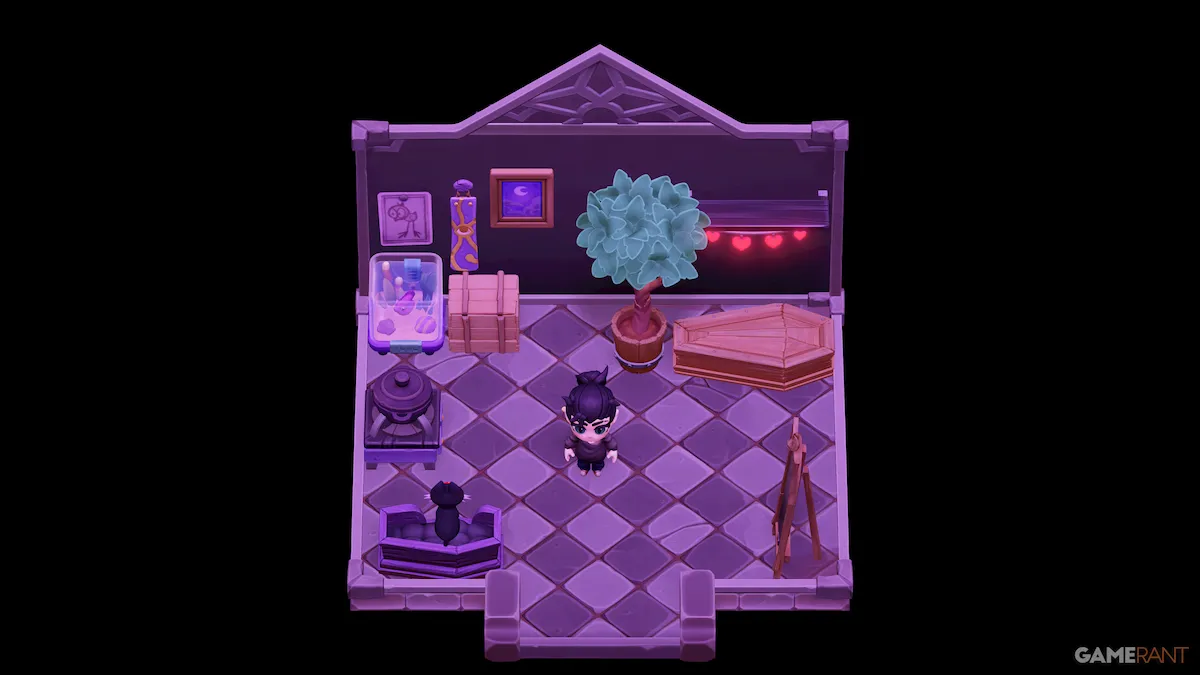
Moonlight Peaks doesn't hold your hand when the roof springs a leak or the floorboards start creaking. The game expects you to figure out the repair loop on your own — which tools to craft, which materials to scavenge, and when to prioritize a fresh coat of paint over structural reinforcement. If you've been staring at a cracked foundation wondering where to start, this covers the full cycle from assessment to finished interior.
Assess the Damage First
Every repair job begins with the inspection mode. Walk the perimeter of your cabin and interact with any surface showing the damage icon — water stains, splintered wood, mold clusters, or foundation cracks. The game logs each issue in your journal under the Home Status tab, categorized by severity: cosmetic, structural, or critical. Critical issues like a collapsing porch roof block access to certain zones until fixed. Cosmetic ones just tank your comfort score and NPC morale.
Comfort isn't just a number. It gates dialogue options with the valley's residents and determines which seasonal festivals you can host. A drafty kitchen means Aerith Gainsborough won't teach you her advanced preserving recipes. Let the mold spread in the cellar and the mushroom forage yields drop by thirty percent. The systems talk to each other.
Gather Materials Before You Swing a Hammer
Don't start a repair without the full kit. Each damage type pulls from a specific resource pool:
- Structural wood rot — needs seasoned pine beams (harvested from the northern ridge after the first frost) and iron brackets (smelted from ore veins in the abandoned mine).
- Water intrusion — requires waterproof membrane (crafted from river reeds + pine resin) and ceramic tile fragments (salvaged from the old well ruins).
- Mold and mildew — demands vinegar solution (fermented apples + clean water) and lime wash (kiln-baked limestone).
- Cosmetic wear — simple: sandpaper (quartz crystals + cloth), stain (berry pigment + oil), and varnish (tree sap + alcohol).
The mine unlocks after you help the prospector clear the rockfall on Day 12. The northern ridge opens once you repair the bridge — which itself needs beams and brackets. The game gates resources behind other repairs. Plan the dependency chain or you'll waste days backtracking.
Cleaning Isn't Optional Flavor
Dust and grime accumulate in real time. Every in-game week, surfaces gain a soot layer that reduces comfort by two points per room. The cleaning toolset lives in the utility closet: broom, scrub brush, mop, and the eventual upgrade — a pressure washer attachment for the water pump. You unlock the pump after restoring the windmill on the east ridge.
Clean in this order: ceilings first (cobwebs fall), then walls, then floors. The mop handles tile and stone; the scrub brush is for wood and grout. Don't use the broom on wet surfaces — it spreads slurry. The game simulates surface tension. I learned that the hard way.
Pro tip: clean during rain. The sound masks your noise, so the nocturnal critters in the walls don't scatter. You'll catch more beetle shells for crafting.
Upgrade Path: From Shack to Sanctuary
Repairs unlock renovation tiers. Tier one is stabilization — stop the bleeding. Tier two adds insulation (sheep wool from the high meadow ranch) and double-glazed windows (glass from the sand pit + lead came from the mine). Tier three is aesthetic: custom wallpaper (printed at the town press using foraged dyes), built-in shelving, and the hearth extension that lets you slow-roast meats for better buffs.
Each tier requires a blueprint. Find them in locked chests at the ranger station, the lighthouse basement, and the forgotten greenhouse. The greenhouse key drops from the owl familiar that patrols the western woods at midnight. Bring a net.
Seasonal Maintenance Calendar
Spring: clear gutters, check foundation for frost heave, reseed the roof moss.
Summer: pressure wash exterior, treat wood for beetles, clean chimney flue.
Autumn: stack firewood, insulate pipes, reinforce shutters before the wind festival.
Winter: monitor roof load, clear ice dams daily, keep the hearth fed or pipes burst.
Miss a seasonal task and the game compounds the damage. A burst pipe in winter floods the cellar, ruins stored preserves, and spawns a mold event that takes three real-time days to remediate. The calendar on your kitchen wall highlights due tasks. Use it.
The Comfort Economy
Every repaired surface, every cleaned room, every upgraded fixture adds to your daily comfort yield. At fifty comfort, you unlock the Restful buff — skill XP gains increase by fifteen percent. At seventy-five, Inspired doubles crafting speed. At one hundred, Sanctuary lets you fast-travel home from anywhere in the valley once per day.
That last one changes how you play. No more hiking back at dusk with a full inventory. You hit the button, you're home, you unload, you're back out. The repair grind pays for itself in time saved.
Your cabin isn't a backdrop. It's infrastructure. Treat it like gear — maintain it, upgrade it, and it carries you further than any weapon.





Comments (0)
Loading comments…