
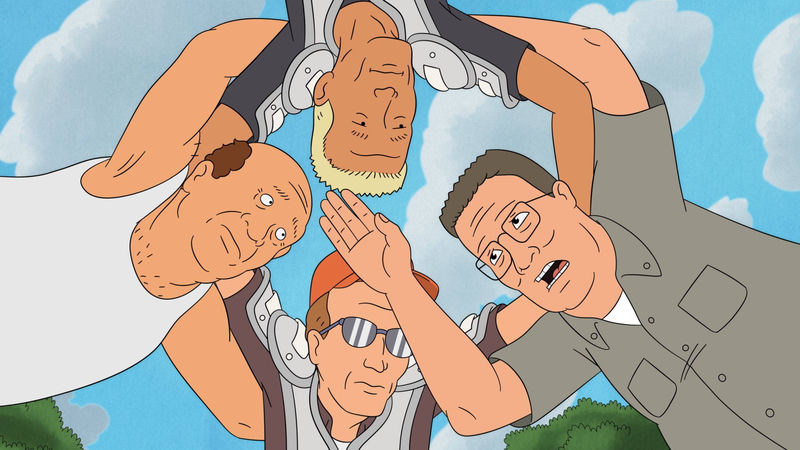
King of the Hill season 15 feels more emotional than ever because it has stopped treating the revival like a complicated puzzle box and started treating Hank, Peggy, Bobby, and the rest of Arlen like people who have actually aged. That is what Stephen Root means when he says the new show is “a lot deeper emotionally” than the original. Bill’s cuddle therapy scam is the clearest example: it still has the setup of a lonely Bill being made a fool of, but the episode cares what happens to him after the joke lands.
The revival has spent its first two seasons earning trust by staying faithful to the original’s quieter, more grounded rhythm. Season 15 keeps that down-to-Earth comedy, but it is less interested in proving that the characters still fit than in showing what their lives look like after time has moved on. That shift makes the new episodes feel warmer without making them softer in a cheap way.
The season 15 finale finally answers why Hank and Peggy were gone for nearly a decade, but the answer matters less as a twist than as proof of how the writers are thinking now. They are not just explaining absence anymore. They are using that absence to ask what kind of middle-aged, retired, empty-nester lives Hank and Peggy should be living now.
“You get closer to the characters because they’re more real-life than they ever were before,” Root says. “You’re getting to emotionally connect with them as an audience member.”

The show got comfortable enough to stop proving itself
Season 14 had a specific job: bring Hank and Peggy back after Saudi Arabia and convince viewers the revival was worth the wait. Showrunner Saladin Patterson says that season was built around the characters catching up with Texas, family, and each other after a nine- or ten-year absence. The comedy came from the weirdness of returning to normal life, which the audience clearly accepted.
Season 15 gets to breathe. Patterson says the writers wanted to take a little breather after the reset, then lean into experiences that would have been challenging for Hank and Peggy even if they had never left. Empty nesting, retirement, menopause, and AI scams are not “because they were in Saudi Arabia” problems. They are age problems, and that makes the revival feel more connected to real life.
The production situation helps explain why the show can move this way. The revival took years to develop, has only ten episodes per season, and gives the writers, animators, and directors more room than the original series’ 20-plus episode orders. That does not automatically create better writing, but it gives the staff time to let stories breathe instead of forcing every episode to carry a giant reboot plot.
Age is doing the plotting now
That is the biggest tonal change. Hank and Peggy are not just the same characters dropped into a new decade. They are retired, older, and suddenly facing the kind of problems that come with being out of the workforce and out of the parenting rhythm that once defined their days. The jokes are still there, but the show is more willing to sit near the sadness underneath them.
Bill’s cuddle therapy episode is the best example. The original King of the Hill would absolutely have made Bill lonely and then used that loneliness as a punchline machine. This version still makes fun of the scam, but it also lets Bill’s friends notice the problem and help him. The pep talk about not giving up on love is the kind of earnest turn the old show might have brushed past.
The same pattern shows up in other season 15 stories, including Peggy’s menopause and the Hills getting a new dog. Those episodes are still funny, but they are not using those subjects only as surface-level sitcom material. The show is paying attention to how ordinary discomfort changes when people are older and when the people around them care enough to stick with you.
That is why Root’s read makes sense. The revival is not more emotional because it suddenly became a drama. It is more emotional because the comedy has more room to reveal the character underneath the joke.

Bobby’s missing years finally got a reason to exist
The season 15 finale also gives Bobby a clearer place in the story. Hank and Peggy leaving him behind for his high school years could have felt like a convenient excuse for absence. Instead, the show connects that decision to Bobby becoming a chef, then explains that he spent his final year living with Luanne and Lucky.
That choice works because it turns a logistics problem into character history. Bobby was not just abandoned in Arlen. He was still building his own life, and the people who helped him were characters from the original series who never returned to the revival because Brittany Murphy and Tom Petty had passed away. Bringing them into the explanation is not just fan service. It gives the absent characters a final, meaningful use.
It is also a very King of the Hill kind of poetic move. Luanne once moved in with Hank and Peggy after her own family life collapsed. Now she helps house Bobby when the Hills leave again. The revival is using the past not to freeze the show in nostalgia, but to let old relationships quietly shape the future.
The Saudi Arabia mystery came from character, not a master plan
The reason Hank and Peggy moved to Saudi Arabia is now clearer. Buck Strickland decided to retire but did not name Hank as manager. Instead, Buck’s son was appointed to the job. Hank, still shaped by years of kowtowing to Buck, put up a LinkedIn profile and ended up with work for a Saudi Arabian oil company.
Patterson admits the writers did not know the full reason from the beginning. Season 14 showed Buck again, and the old dynamic was still intact. If Hank still bent too far toward Buck, what would finally push him out? That question naturally led the writers toward the job offer, the move, and the long absence that kicked off the revival.
That is an important distinction. Many revivals arrive with huge lore plans already locked in, then spend years explaining why the story needed that setup. King of the Hill is doing the opposite. It is letting character dynamics point toward plot, which fits the show better than a giant pre-planned arc ever could.
Season 16 turns Hank into the boss
Season 16 gets its new status quo from the finale’s business twist: Hank buys 51 percent of Strickland Propane, while Buck still owns 49 percent. The power dynamic has shifted. Hank is still dealing with Buck, but he is no longer just the guy taking orders.
That is a much better engine for the next season. The question is not “How does Hank react to Buck?” anymore. The question is “How does Hank behave when he has power?” Patterson says the show has been picked up through season 17, so this setup has room to develop instead of being treated as a one-episode gag.
The irony is obvious, which is why it works. Hank is a better person than Buck, but Buck is still a charmer and still understands the business side in a way Hank does not. Hank may have to ask advice from the same moral derelict he spent years resenting. That is exactly the kind of uncomfortable middle ground the revival is built to explore.

Buck is not changing, and that is good news
Root is also clear about one thing: Buck has not changed. He is still selfish, still scheming, and still the kind of guy who would rather win than be decent. That matters because the Hank-and-Buck relationship is one of the show’s most reliable sources of comedy.
If Hank magically became the better boss overnight, season 16 would lose its tension. The fun comes from watching a decent man try to lead without becoming either Buck or someone who cannot handle conflict. It is a small premise, but it is a strong one for a show that has always been best when ordinary situations reveal character flaws.
The same balance should define the revival overall. Fans do not need every character reinvented, and they probably do not want the show turning into a high-concept animated drama. The magic is in the familiar voices, the same Arlen texture, and just enough new pressure to make the characters feel like they are still living instead of being revived under glass.
Why this kind of reboot works now
King of the Hill is bucking a broader TV trend. So many revivals now come with intricate multi-year plans, mythology, and character arcs designed to keep subscribers subscribed. This revival is doing something more modest and, honestly, more in keeping with the original: it is letting life unfold slowly.
That patience is the reason season 15 feels different. The writers did not need to force every missing detail into the first season. They let the characters settle, then built the next stories from retirement, family, business, and loneliness. That approach may be less flashy, but it gives the show a steadier emotional foundation.
The risk is that “real life” can become too gentle if the show loses its bite. King of the Hill has always found humor in discomfort, but it never wanted to turn its characters into emotional training wheels. The new episodes need to keep that edge: warm, but not syrupy; thoughtful, but not self-congratulatory.
For viewers, the practical takeaway is simple. Season 15 is worth watching if you want to see the revival become more personal without losing its identity. Season 16 looks like the bigger payoff, especially if Hank’s new role at Strickland Propane actually tests him instead of just giving him a power fantasy.
King of the Hill is streaming on Hulu and Disney Plus. The best sign so far is that the revival is not trying to be louder than the original. It is trying to be honest about what time does to people, which is probably the most King of the Hill thing it could do.




Comments (0)
Loading comments…