
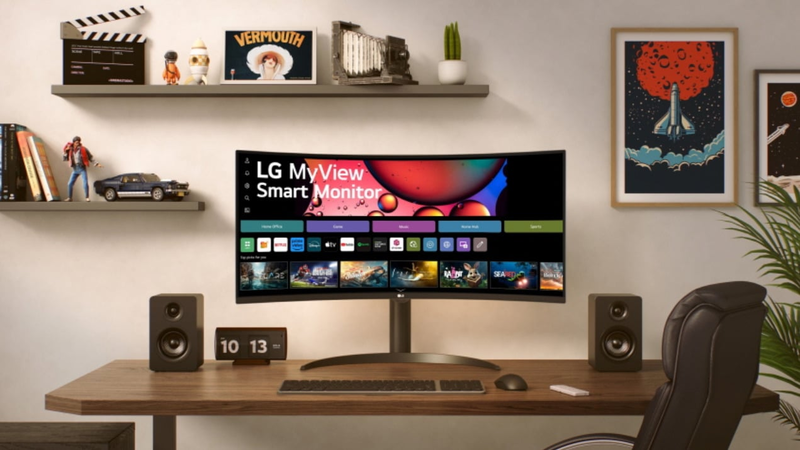
LG’s $1,200 34GX900A-B Ultra Gear monitor is at the center of a privacy backlash because its monitor software can be installed through Windows Update, then surface McAfee trial prompts and broad system permissions without a clear consent step. LG says McAfee itself is not installed automatically, but the bigger issue is that a gaming monitor is now acting like a software update channel for your PC.
The backlash is not just about an annoying pop-up. A monitor is supposed to be a dumb endpoint: you plug in HDMI, DisplayPort, or USB-C, tune the refresh rate, and let the PC do the work. When a display can push software onto the machine it is attached to, the relationship changes from hardware setup to installed application.
The monitor issue is a consent problem, not a simple ad pop-up
Testing reported by PC hardware reviewers found that connecting the LG 34GX900A-B can lead to the LG Monitor App Installer being installed on a Windows PC through Windows Update. In the installation path described in those reports, users were not clearly told that this program was being installed. The installer was also reported to receive broad access to system resources and internet connection.
That is where the “wiretapping” language starts to make sense, even if the monitor itself is not secretly recording your room. The concern is broader: a device buyers expect to be passive can quietly introduce software with permissions that feel more like an installed app than a display utility.
LG’s statement draws an important line: McAfee is not installed automatically and is never installed without the user’s explicit consent. That matters because it means this may be a consent-design failure rather than classic malware. It does not erase the trust problem, though. The installer is the thing that creates the path to the offer.
Here’s the thing: an optional McAfee prompt can still feel coercive if the user never agreed to the installer that delivers it. A $1,200 gaming monitor should not require a privacy audit before it can update firmware, manage display features, or connect to companion software.
The concern spreads beyond the 34GX900A-B
Follow-up reports suggest the same LG Monitor App Installer is not limited to the 34GX900A-B. Older LG monitors have reportedly been affected too, which changes the story from a launch-day defect into a product-line issue. That is harder for LG to shrug off because the affected device pool is larger than the newest premium model.
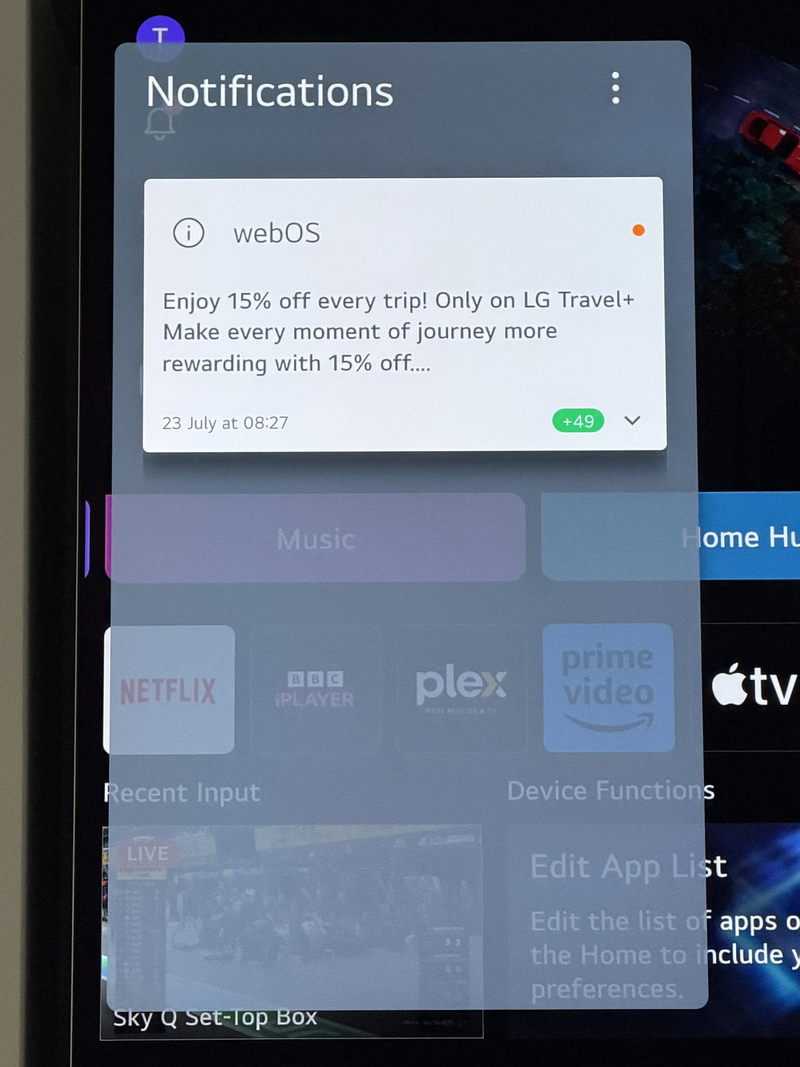
There is also a TV angle. LG TV owners have reported promotional pop-ups even after disabling promotion-related settings, including offers for LG’s Travel+ app. That is a separate complaint from the monitor installer, but it points to the same pattern: smart-device software can keep pushing offers after users think they have opted out.
honestly, fuck LG for adding these notifications at startup on their TVs. I had every option for promotions disabled in the system settings, but they added new ones through the built in apps. I’ll
 View on X →
The “wiretapping” concern also connects to LG TV privacy language. LG says its TVs do not collect, record, or store ambient conversations, and that voice recognition is optional and user-initiated. That distinction matters because a monitor does not normally sit in a room listening for commands.
Still, the consent language around notifying household members and guests that they may be recorded is exactly the kind of thing that can turn a feature toggle into a legal notice. Users are not just asking whether a feature exists; they are asking whether LG makes that feature obvious before it becomes part of the household setup.
Why this is happening now
For years, gaming monitors were sold on pure hardware specs: panel type, refresh rate, response time, HDR behavior, adaptive sync, and input options. Companies could charge premium prices without becoming part of your operating system. The market has shifted, though. Smart monitors and smart TVs are increasingly trying to become software ecosystems, not just screens.
That creates a new revenue logic. Panel makers face expensive supply chains, thin hardware margins, and fierce competition from other display brands. Software partnerships, app stores, and promotional offers can look attractive when hardware sales alone do not cover the risk of launching expensive new models.
Windows Update is also a tempting route because it gives software a trusted path to a machine. For driver updates, that can be useful. For an installer that surfaces antivirus trial offers, it feels much less natural. The same infrastructure can be legitimate or creepy depending on what it is used for.
Microsoft is now part of the story
LG says the installer is distributed through Microsoft’s official Windows distribution process, which included McAfee as an option. Microsoft executive vice president Pavan Davuluri said Microsoft connected with LG, and that LG agreed to disable the McAfee pop-up from the app.
@TimSweeneyEpic @wexosu Thanks again for bringing this to our attention. We’ve connected with the team at LG and as an immediate next step, they have agreed to disable the McAfee pop-up from their
honestly, fuck LG for adding these notifications at startup on their TVs. I had every option for promotions disabled in the system settings, but they added new ones through the built in apps. I’ll
View on X → View on X →
The response is useful, but it is not the whole fix. Disabling the McAfee pop-up does not automatically explain what happens to the installer, whether affected users can remove it cleanly, or whether older LG monitors will stop receiving the same software package.





Comments (0)
Loading comments…