
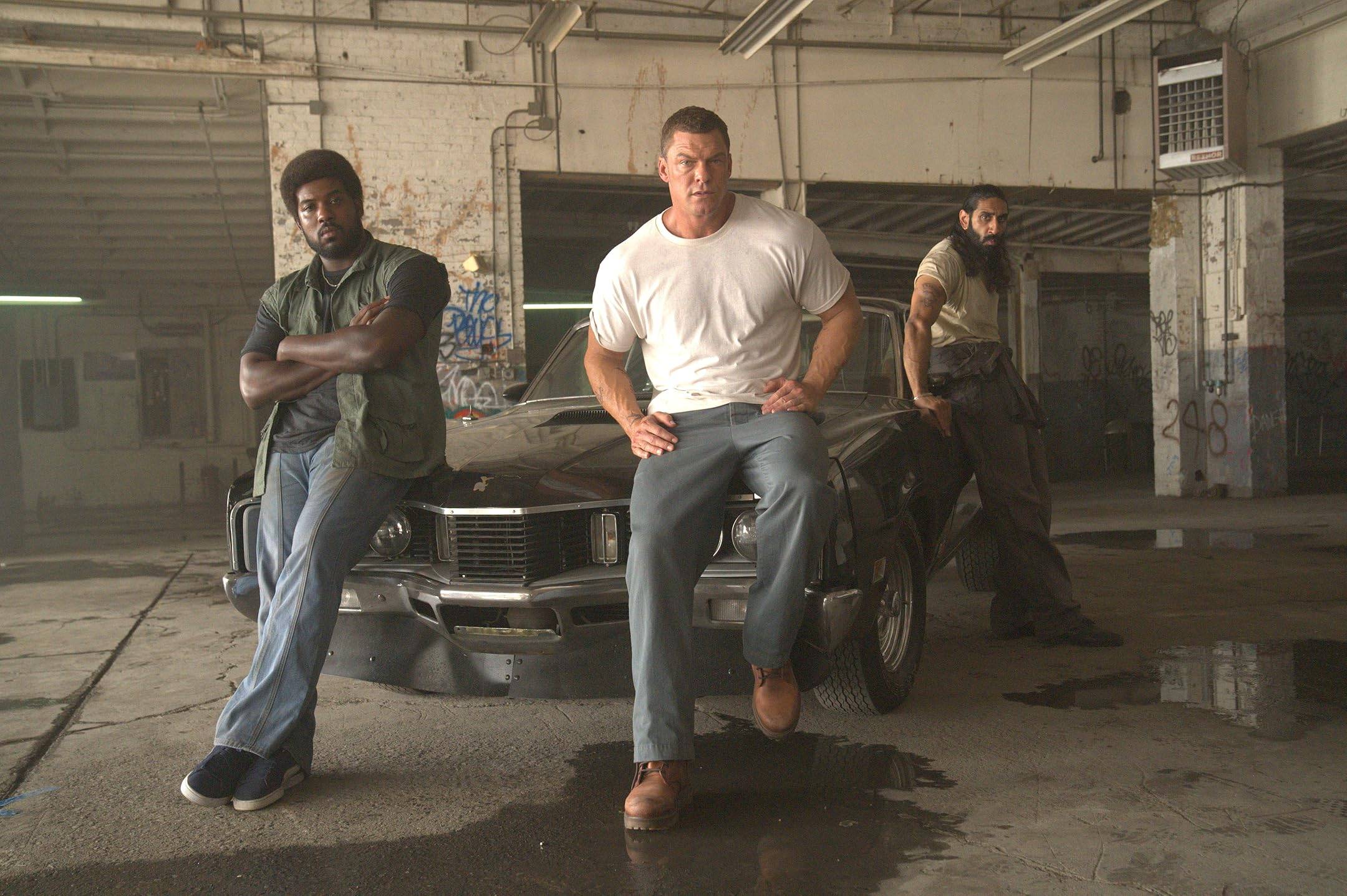
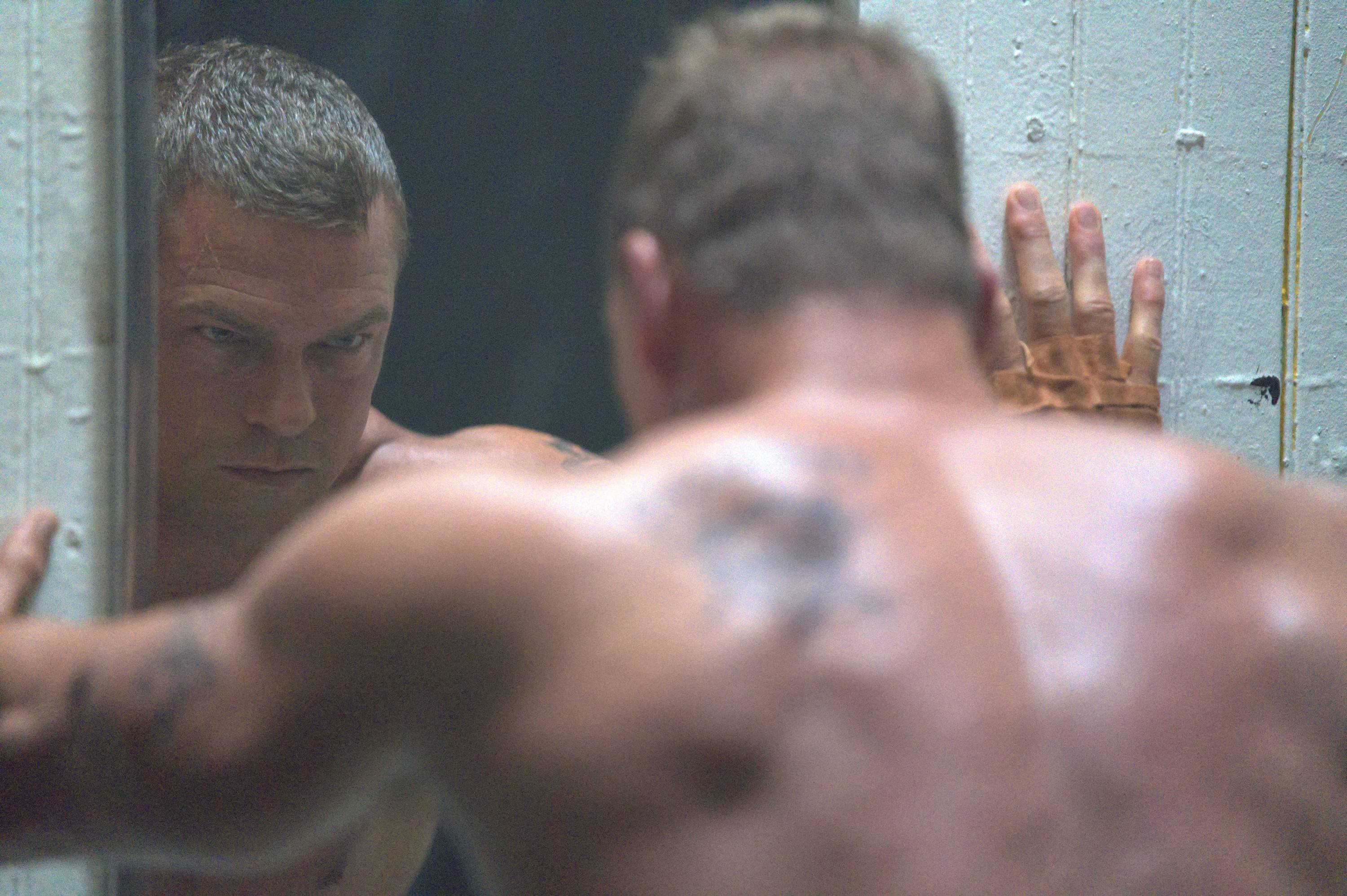
Motor City hits theaters July 24 after nearly two decades in development hell — a revenge thriller that barely speaks, letting classic rock needle drops and bruising physical performance carry the weight of its story. Director Potsy Ponciroli's film stars Alan Ritchson as an ex-Army Ranger framed, imprisoned, and unleashed on a '70s Detroit that feels less like a setting than a pressure cooker. The hook: almost no dialogue. The result: 96 minutes of tension that plays like a lost Walter Hill joint scored by your dad's vinyl collection.
A Two-Decade Detour to the Screen
Chad St. John's script (Peppermint, London Has Fallen) circulated for years, collecting directors and actors who'd eventually fall off. Ponciroli pitched, lost the job to another filmmaker, then got the call seven months later when that director dropped out. He'd spent the interim living with the material. "It was the best pitch of my life because I'd had all that time to prepare," he says. Ritchson was already attached; a Zoom call from vacation sealed the deal. Ponciroli started Monday. The speed after the stall is almost perverse — 20 years of inertia, then a weekend deal and immediate production.
Silence as a Directing Tool
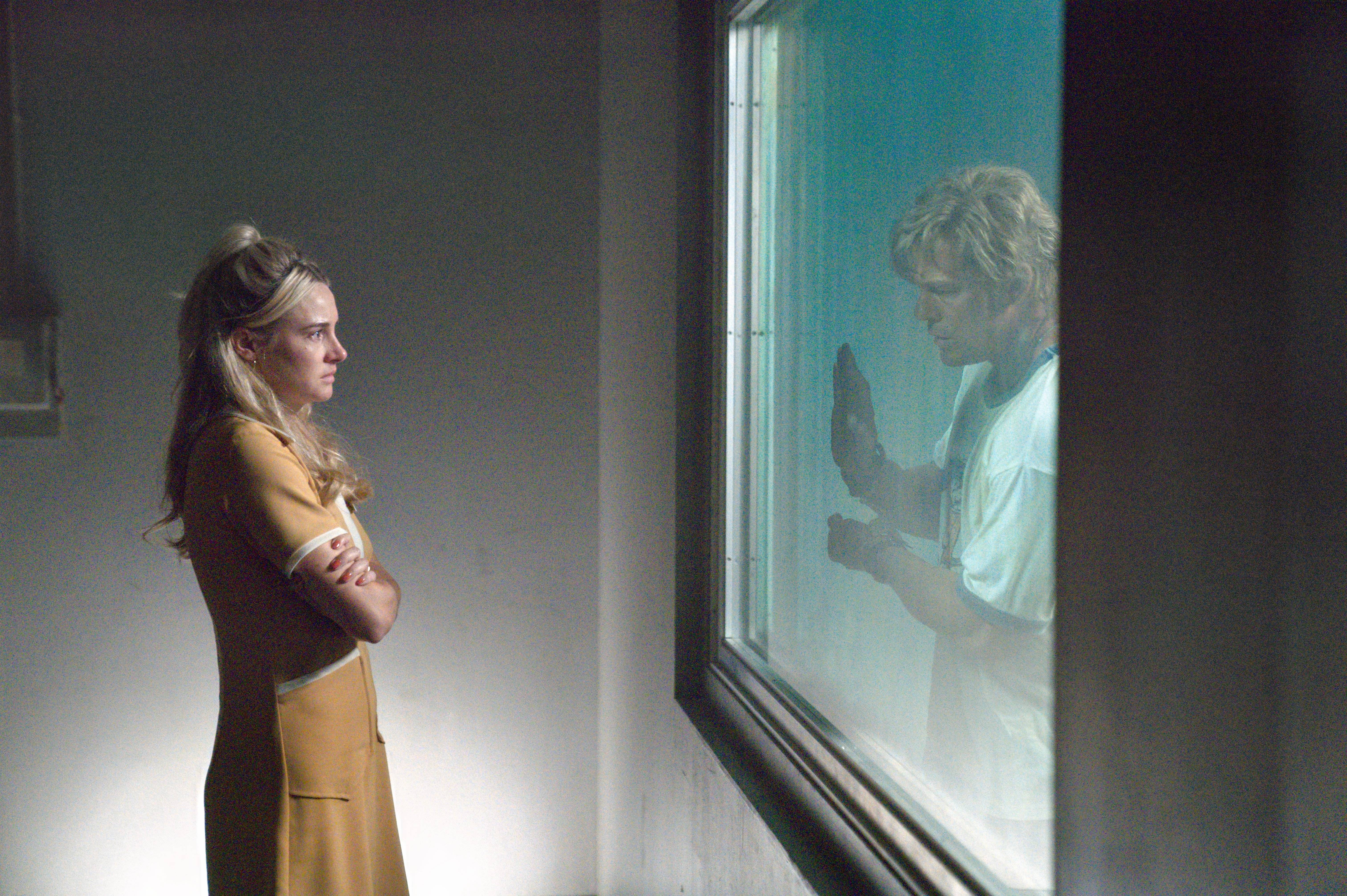
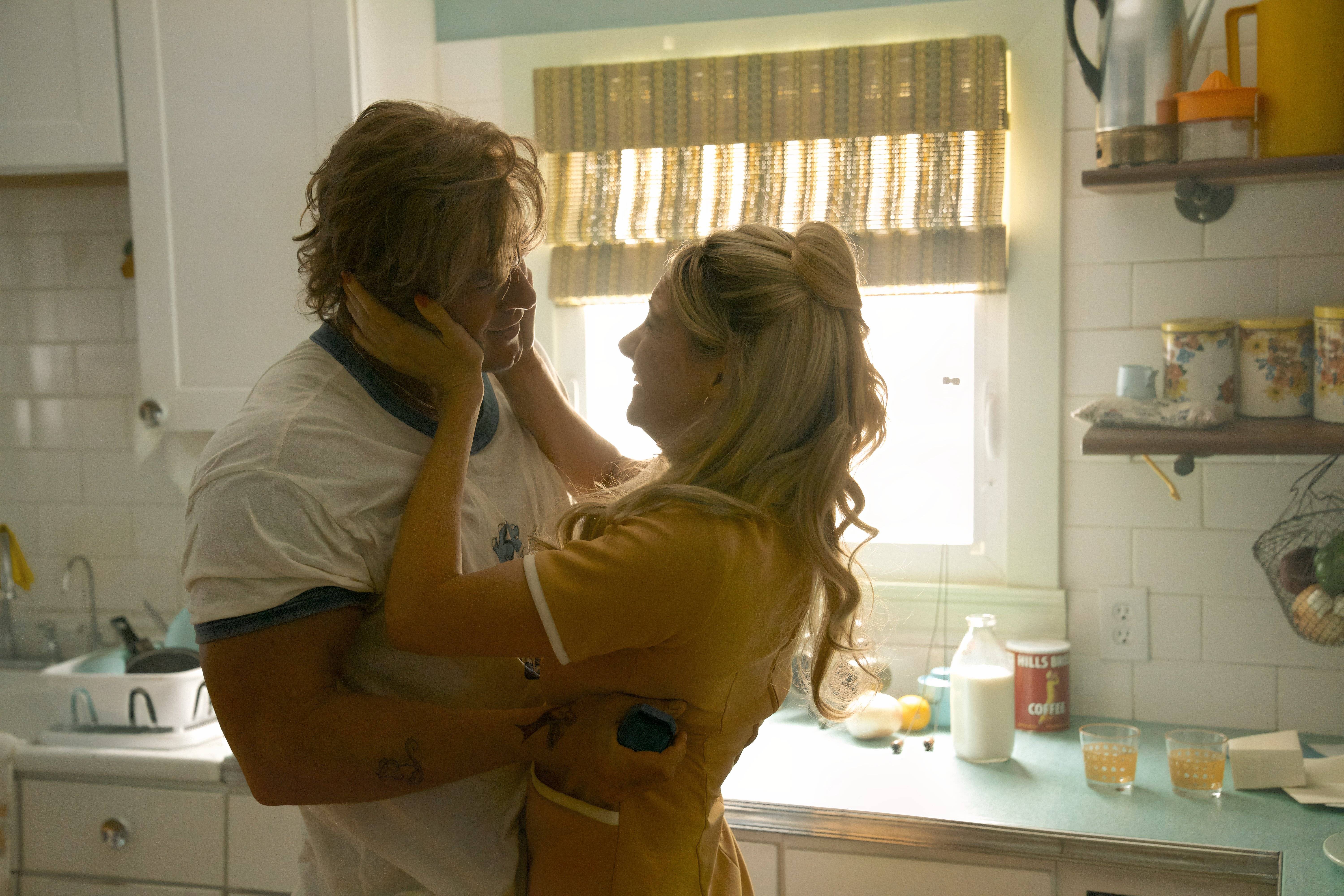
Ponciroli didn't want pantomime. "We're not overexaggerating movements to sell anything. It still has to be subtle and real." The prep became the performance: billions of conversations, Spotify playlists for each character, rehearsals that felt more like therapy. Shailene Woodley asked for a playlist to find her character's interior life. Ben Foster showed up with a boombox blasting Bowie's "Cat People (Putting Out Fire)" on repeat — Ponciroli swears he did, Foster swears he didn't, but the track made the final cut. The diner scene between Woodley and Foster runs four minutes without a word spoken. Ponciroli's only direction: "The first person to speak usually loses. Nobody wants to be the first person to say something." They played it like a chess match. The tension is palpable.
That approach extends to the action. When Ritchson's ranger breaks prison, "Nights in White Satin" doesn't just score the sequence — it structures it. Ponciroli edited the break on paper to the song's timeline: 10–25 seconds for this beat, 25–32 for that one. The crescendo hits as the car crashes the gate. Editor Joe Galdo would stay until 2 a.m. testing 30 songs per scene. Fleetwood Mac's "The Chain" landed in a chase sequence almost by accident — Galdo dropped it in overnight, and every tempo shift miraculously matched the cuts. "All right, we have to have 'The Chain' now," Ponciroli realized. The music doesn't accompany the action. It dictates it.
Visual Literacy Over Exposition
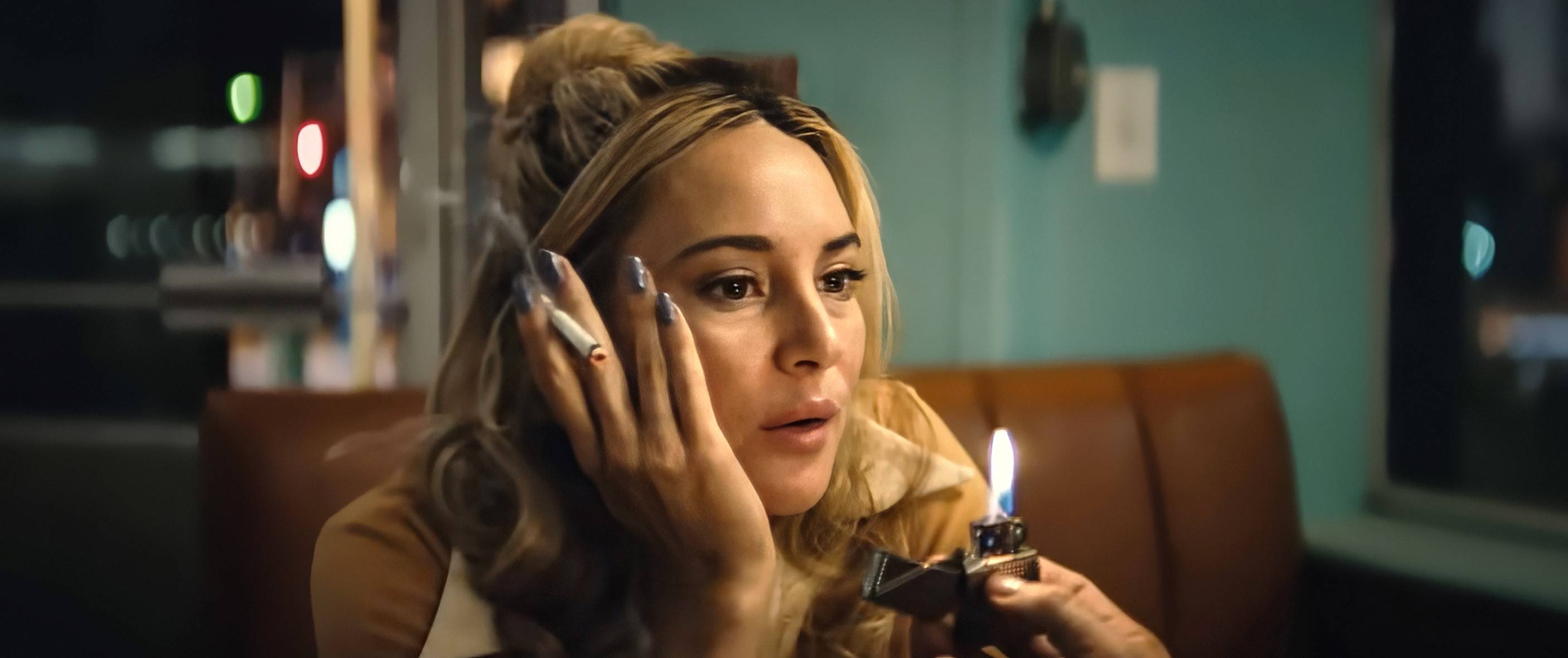
Newspaper clippings, Ranger tattoos, a ring slid across a café table — the script carried some visual beats, but others emerged from necessity. A café exposition scene with Ben McKenzie and Woodley threatened to stall until Ponciroli and DP John Matysiak found a location with a piano player (Jack White, in a cameo that feels like a fever dream). They pulled the camera back to the pianist's POV, letting the audience overhear the conversation from outside the dialogue cone. It's a filmmaker trusting the viewer's intelligence. The tattoos were scripted; the piano player was providence. Both serve the same rule: show, don't tell, and never tell when you can frame.
The Gimmick Question
Here's the skepticism: a dialogue-free action film risks feeling like a formal exercise, the kind of thing festival programmers love and general audiences endure. Ponciroli rejects the "gimmick" label — "It's just a way to tell a story" — but the risk is real. Ninety-six minutes is a long time to sustain pure visual storytelling without fatigue. The elevator fight, which Ponciroli cites as the watercooler moment, works because it's earned: a pressure valve release after 80 minutes of coiled silence. If the whole film operated at that pitch, it'd exhaust. The variance — quiet diner moments, musical interludes, the café piano — creates rhythm. Still, you wonder how it plays on a second viewing when the tension mechanics are known. Some formal experiments don't survive familiarity.
Legacy Sequels and the Goonies Problem
Ponciroli's next trick: writing The Goonies 2. He got in trouble at Venice just for acknowledging it. "That's my favorite movie of all time. It's the movie that got me into this business." The challenge mirrors what HBO faces with A Knight of the Seven Kingdoms or what Adventure Time: Fionna and Cake navigated — honoring a sacred text without embalming it. Ponciroli's advantage: he's not trying to recreate the magic. He's trying to remember what it felt like to be the kid watching it. That distinction — nostalgia as compass rather than blueprint — is the only way legacy sequels work. Whether he cracks it remains to be seen. But the same director who trusted silence to carry a revenge thriller might be exactly the right voice for a sequel about kids who refuse to shut up.
What This Means for Action Cinema
Motor City arrives at a moment when action filmmaking feels increasingly algorithmic — AI-assisted previz, second-unit bloat, dialogue written for trailer beats. Ponciroli's film is a reminder that constraint breeds invention. Strip the exposition, and you're forced to direct actors who can hold a frame without a safety net of quips. You're forced to edit to a song's architecture rather than a temp track's convenience. You're forced to make an AK-47 feel heavy because the actor's shoulders tell you it is, not because a sound mix screams it. The film's influences — Hill, Melville, early Mann — understood this. Modern action often forgets. Motor City doesn't.
See it loud. See it big. Leave the phone in the bag. The silence demands it.



Comments (0)
Loading comments…