

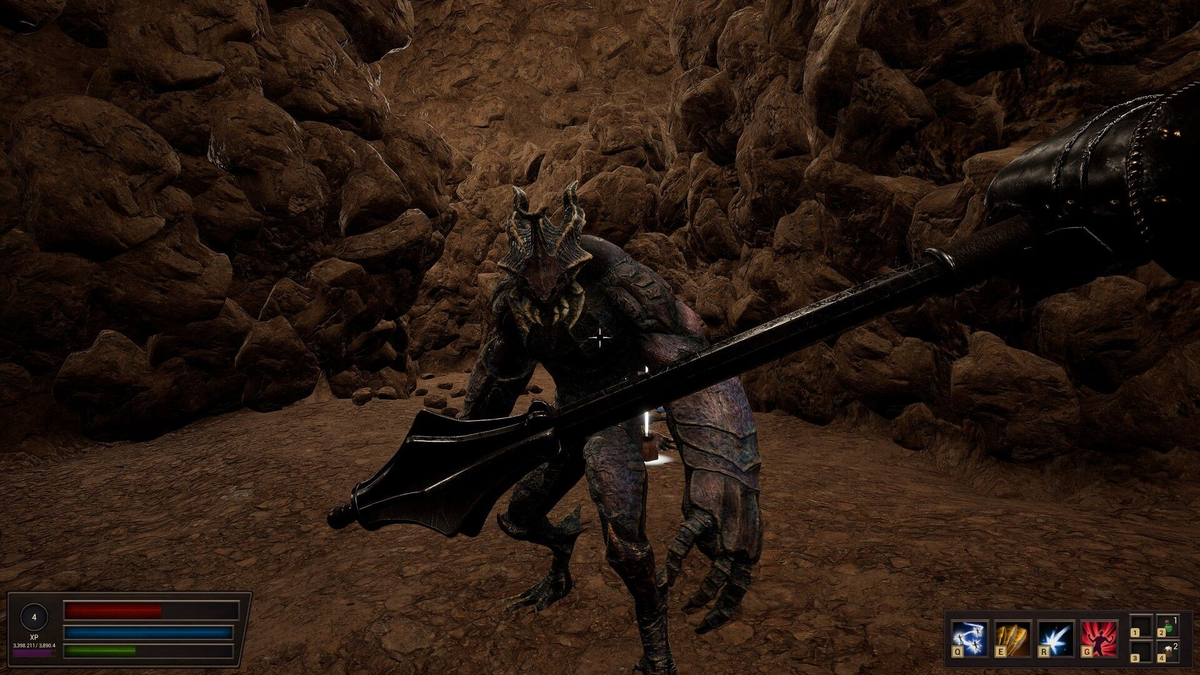
AetherCycle is scheduled to launch on Steam in November 2026 as a first-person action RPG that wants players to chase exploration like The Elder Scrolls, test themselves like Elden Ring, and adapt to a shifting open world through its Cycle system.
That is a big promise for an indie title, but it is also a clear one. The game is not pretending to be Bethesda or FromSoftware by name; it is aiming for the player experience those games helped define: wandering far from the map, finding something strange, and deciding whether the risk is worth the reward.
Deep Interactive is positioning AetherCycle as a scaled-down but dense fantasy RPG, with first-person action combat, open-world ruins, villages, underground areas, randomized loot, character builds, and solo or co-op play. The current announcement does not include a price, but the platform and launch window are clear: Steam, November 2026.
What AetherCycle is actually promising

AetherCycle is best understood as an exploration-first action RPG with RPG systems layered on top. The pitch is not just “open world” or “ Soulslike combat.” It is the combination: a fantasy map that changes over time, enemies and rewards that shift with that change, and gear builds that let players approach danger differently.
The core loop sounds familiar in a good way. Players explore ancient ruins and forgotten locations, uncover hidden paths, fight enemies and bosses, level up their character, unlock abilities, and collect weapons or armor with randomized stats, rarity tiers, and unique effects. It is the kind of loop that works when the world feels like it has something to reveal, not just something to clear.
- Combat: First-person action combat built around weapons, abilities, and timing.
- Exploration: Ruins, villages, underground areas, hidden paths, and forgotten locations.
- The Cycle: A world-changing system that shifts danger and rewards over time.
- Progression: Character leveling, attributes, abilities, and build customization.
- Loot: Weapons, armor, items, randomized stats, rarity levels, and unique effects.
- Multiplayer: Solo play plus co-op exploration, quests, bosses, and progression.
What stands out most is the Cycle system. Most open-world RPGs are technically dynamic because enemies respawn or quests update, but that does not always make the world feel alive. If AetherCycle can make certain places safer, deadlier, richer, or stranger as the Cycle changes, it could give players a reason to revisit areas instead of treating the map like a static checklist.
Why the promise lands now

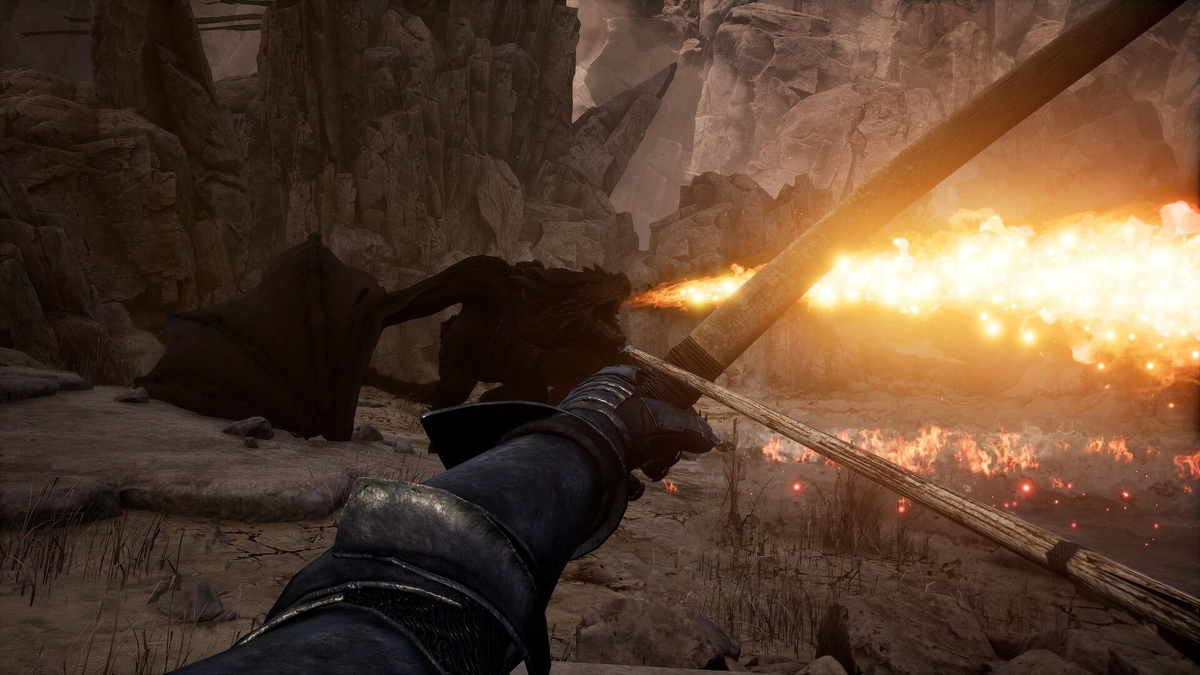
The timing makes sense. The fantasy RPG market has been waiting in long gaps between massive releases, with The Elder Scrolls 6 still not in players’ hands and FromSoftware’s next fantasy project still something people are anticipating rather than playing. That waiting period has created room for smaller games to claim pieces of the fantasy-RPG throne.
Indie RPGs have already proven that “smaller” does not have to mean “less ambitious.” Games like Tainted Grail: The Fall of Avalon showed that a studio can build a world with a strong mood, memorable encounters, and enough structure to feel personal without trying to recreate the full scope of a AAA open world. AetherCycle is aiming for that same middle ground, but with a more explicit mix of Elder Scrolls freedom and Elden Ring pressure.
This is also the natural evolution of the “like” genre. Players no longer ask only whether an indie game has quests, loot, or combat. They ask whether it understands what made the reference points satisfying. Is the freedom actually responsive? Is the difficulty fair? Does exploration produce stories, or just loot drops? AetherCycle is entering that conversation at exactly the moment players are more selective about it.
The most interesting part is the Cycle system
The Cycle could be the difference between a competent open-world RPG and one that feels like it has a real identity. A big fantasy map is expensive and easy to overpromise. A shifting world is harder to fake, because players need to notice the change without feeling like the game is simply changing numbers behind the curtain.
The useful version of this system would create tradeoffs. A village might be a place to rest during one phase, then a dangerous approach during another. A ruin might hold easier loot at first, then become a high-risk, high-reward run as the Cycle turns. That kind of design can make players talk about the world in practical terms: “Go in before the next cycle,” or “Don’t take that road until the danger drops.”
That is where the game could feel genuinely different from a standard open-world RPG. Most fantasy worlds are static playgrounds. AetherCycle is trying to become a living problem set, where the map changes and the player has to adapt. If it pulls that off, the Cycle becomes more than a gimmick. It becomes the game’s reason to exist.
Why this is not just another “big indie” label
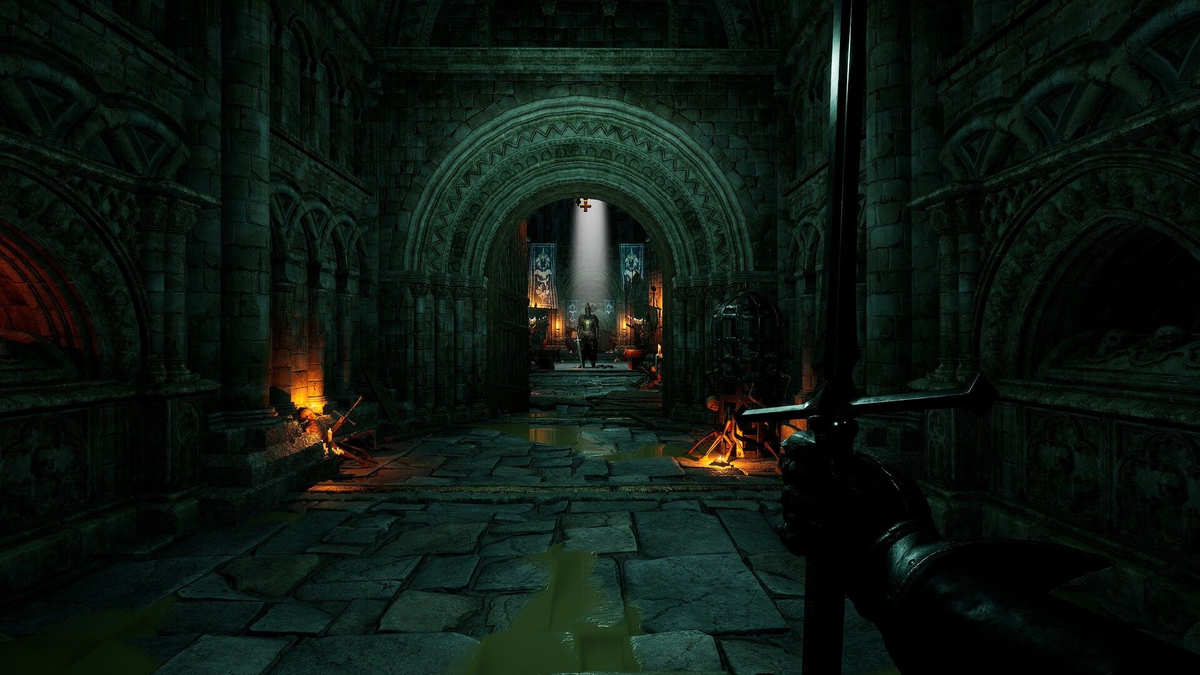
The “Elder Scrolls meets Elden Ring” comparison is useful because it explains the fantasy quickly, but it is also dangerous. Those two games are not interchangeable. The Elder Scrolls freedom often comes from systems, factions, character builds, and the feeling that the world keeps moving even when you ignore it. Elden Ring challenge comes from compact spaces, hostile pacing, environmental storytelling, and bosses that feel like peaks in a dangerous landscape.
AetherCycle is trying to sit between those poles. That can work, but it also means the game has two sets of expectations to satisfy. Players coming from Bethesda-style RPGs may judge it by quest density, build flexibility, and systemic depth. Players coming from Soulslike games may judge it by combat readability, enemy variety, and whether exploration still feels tense.
The good news is that the announced scope gives Deep Interactive a more realistic target. A smaller open world can be denser than a huge one if every location has a reason to exist. A modest number of ruins, villages, underground zones, and boss arenas can feel more memorable than a map full of copy-pasted camps and vague landmarks.
The risk is the opposite: “smaller but dense” can quickly become “small and thin” if the game relies too heavily on randomized loot and familiar fantasy scenery. The title’s success will probably depend less on how much content it has and more on how much personality survives inside that content.
The co-op angle adds both promise and pressure
Co-op multiplayer is a smart addition for a game built around exploration, because wandering fantasy worlds are naturally social. Finding a hidden path, arguing over loot, or taking on a boss with friends can turn a normal RPG session into a story people remember.
It is also a pressure point. Open-world co-op is harder than it looks. If one player is stronger, faster, or built differently, the shared experience can start to flatten. If quest progression breaks down because one person has already moved ahead, the world can feel less like an adventure and more like a multiplayer queue with monsters attached.
Still, co-op could help AetherCycle stand out. Many solo fantasy RPGs ask players to explore in silence. A co-op version of the Cycle system could be especially interesting if players can react together to changing dangers, divide loot, and decide when to push deeper into a risky phase of the world.
The obvious risks are familiar ones
The biggest risk is that AetherCycle sounds too much like a checklist. First-person action combat, open-world exploration, randomized loot, character progression, and co-op are all marketable features, but they do not automatically create an RPG with a pulse. The game needs a strong sense of place, clear reward pacing, and enough reactivity to make choices feel meaningful.
There is also the difficulty question. Borrowing from Elden Ring does not mean making everything punishing. Players who want Elder Scrolls-style freedom may not want every village path to feel like a boss gauntlet. The challenge has to coexist with exploration, not constantly interrupt it.
Then there is the age-old indie-RPG problem: scale. A studio can say “vast world” all day, but players will notice when roads feel empty, towns feel decorative, or dungeons feel like containers. The more ambitious the comparison, the harder it becomes to forgive thinness.
What to watch before November 2026
The next important step for AetherCycle is not another trailer full of sweeping landscapes. It needs to show the world being used. A demo that lets players enter a village, trigger a Cycle change, fight through a ruined area, loot something useful, and return under different conditions would answer more questions than a polished cinematic montage.
Players should also watch how the game handles build variety. The announced gear system sounds loot-driven, but loot-only RPGs can become repetitive if every upgrade is just “better numbers.” The most interesting builds will probably come from combining weapons, abilities, attributes, and enemy weaknesses in ways that change how the world is approached.
And finally, there is the matter of tone. AetherCycle seems to be aiming for a world that is mysterious, dangerous, and full of hidden paths. That is a strong direction for an indie fantasy RPG. The question is whether it can make that mystery feel personal rather than generic.
If it does, AetherCycle could become one of the more interesting Steam RPGs of 2026. If it does not, it will be another title that borrows the right language from bigger games without earning the comparison. For now, the pitch is compelling; the execution is what will decide whether it feels like a true open-world adventure or just a smaller version of one.




Comments (0)
Loading comments…