
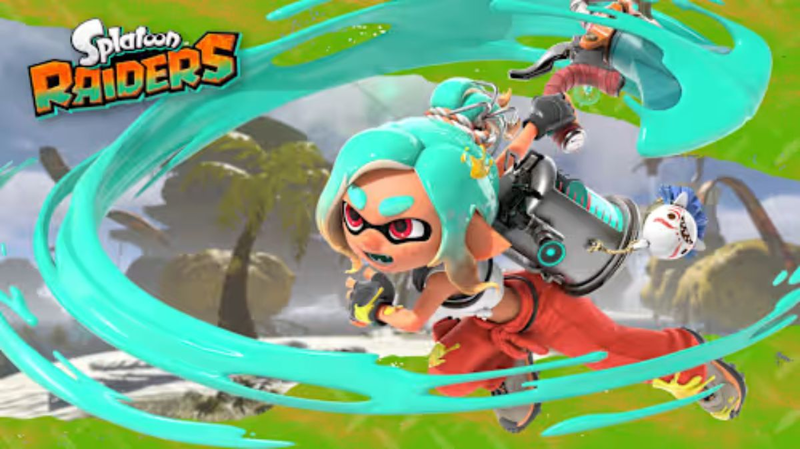
Nintendo has officially explained why we got Splatoon Raiders instead of Splatoon 4, and the answer is refreshingly simple: they wanted to make a game for people who don't care about splatting strangers online.
The first spin-off in the franchise ditches the competitive multiplayer focus for a single-player roguelite adventure with optional co-op. It's a deliberate pivot, and it's already paying off.
A New On-Ramp for the Ink-Splattered Masses

Seita Inoue, the game's producer, laid it all out in a recent Nintendo Ask the Developer interview. After 11 years and three mainline titles, the team wanted to try something different. "We thought it might be interesting to create something with a slightly different approach to gameplay, where you can really savor the action on your own," Inoue said.
Here's the thing: Splatoon has always had single-player content. The Story Mode and Salmon Run co-op mode were solid, but they were side dishes to the main competitive meal. Raiders flips that script entirely. It's a standalone spin-off built around those non-competitive elements, not just a tacked-on bonus mode.
"One of our motivations for developing this game was our desire to create a new entry point into the series," Inoue explained. "We wanted to release these non-competitive elements not just as a secondary feature, but as a standalone spin-off."
That's a smart move. Competitive shooters are intimidating. The barrier to entry is high when you're getting splatted by players who have been perfecting their aim since 2015. A single-player roguelite is a much friendlier handshake.
The Nintendo Switch 2 Exclusive Factor

Splatoon Raiders isn't just a spin-off. It's also the first Splatoon game exclusive to the Nintendo Switch 2. That puts it in the same launch window lineup as Pokopia, Mario Kart World, and Donkey Kong Bananza. Nintendo is clearly betting big on this new console generation, and Raiders is a key part of that pitch.
It's a smart way to sell hardware. A single-player Splatoon game appeals to a broader audience than yet another competitive shooter. Parents who don't want their kids screaming at strangers online can still buy the new console and a Splatoon game that works solo or with friends in the same room.
Inoue was careful to note this isn't the end of competitive Splatoon. "We will continue to develop competitive gameplay going forward," he said. "That's why we developed this game as a spin-off and not as Splatoon 4."
A Roguelite, Not a Reskin
This isn't Splatoon 3 with a new coat of paint. Raiders is a roguelite. That means procedurally generated levels, permadeath, and upgrades that carry over between runs. It's a genre that's exploded in popularity over the last decade, from Hades to Dead Cells. Slapping the Splatoon aesthetic on that formula is a genuinely interesting experiment.
The exploration focus is a big departure. Instead of turf wars and ranked matches, you're navigating environments, solving problems, and fighting enemies with the series' signature ink mechanics. The multiplayer co-op is there, but it's optional. You can play the entire game solo if you want.
That's a bold move for a franchise built on competitive multiplayer. But it's also a smart one. The roguelite audience is massive and hungry for new experiences. Splatoon has the art style and gameplay hooks to stand out in that crowded space.
The Bigger Picture: Nintendo's Long Game
This decision reflects a broader trend at Nintendo. The company has been experimenting with spin-offs and genre shifts for years. Mario got a rabbids crossover. Zelda got a musou game. Pokémon got a detective game. These aren't replacements for the main series. They're side projects that expand the universe and attract new players.
The timing matters. The Switch 2 is launching into a market where everyone is fighting for your attention. Sony and Microsoft are pushing subscription services and cross-platform play. Nintendo's strategy has always been different: exclusive games that you can't get anywhere else. Splatoon Raiders fits that mold perfectly.
It also gives the franchise room to breathe. Splatoon 3 was a massive success, but the competitive scene can get stale. A spin-off lets the developers experiment without the pressure of a numbered sequel. If it flops, it doesn't tarnish the main series. If it succeeds, it opens up new possibilities for future games.
The roguelite angle is particularly clever. It's a genre that rewards replayability and skill development. That's exactly what Splatoon fans already love about the competitive modes. They just get to enjoy it without the stress of ranked matchmaking.
What's Next for the Squid Kids
Splatoon Raiders is out now as a Switch 2 exclusive. The early reception has been positive, with critics praising the fresh take on the formula. Whether it becomes a long-term hit depends on how deep the roguelite systems go and how much variety the procedural generation offers.
Nintendo has already confirmed more competitive Splatoon content is coming. So this isn't a permanent shift. It's a detour. A fun, experimental detour that might just bring a whole new audience into the fold.
And if you're one of those people who never clicked with the competitive modes? This one's for you.



Comments (0)
Loading comments…