
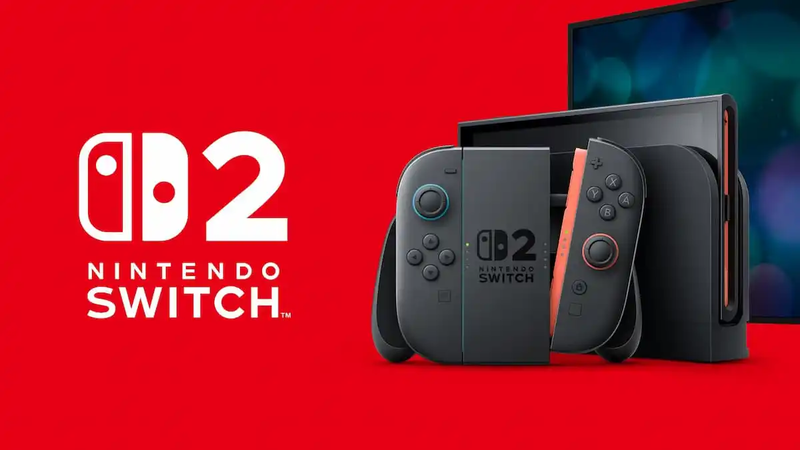
Nintendo has filed a motion to dismiss a proposed class action lawsuit that seeks to force the company to refund tariff-related price hikes on the Switch 2 and its accessories. The suit, filed by two US gamers after the Supreme Court ruled those tariffs illegal, argues that customers are owed a piece of the money Nintendo itself is recouping from the government.
Unsurprisingly, Nintendo's lawyers are having none of it. "Plaintiffs are not entitled to a rebate simply because of intervening legal developments related to tariffs," the company said in its motion, as reported by GameFile.
Why This Matters

This is the latest chapter in a story that's been playing out across the entire gaming industry. Nintendo, Sony, and Microsoft have all raised hardware prices over the past few years, citing everything from inflation to supply chain woes. The Switch 2 launched at a higher price in the West than in Japan — not unusual — but then got another $50 hike in May 2025, for which Nintendo president Shuntaro Furukawa publicly apologized.
"We sincerely apologize to our customers for the considerable inconvenience and trouble this will cause," Furukawa said at the time. "While we wanted to prioritize a wide adoption, it was challenging to bear the rising costs over a long period."
The core of Nintendo's argument is simple: a sale is a sale. "Nintendo or one of its retailers set a price for each product, and consumers decided whether that price was worth paying," the company's lawyers wrote. "Those who bought Nintendo’s products received exactly what they bargained and paid for: a console, game and/or accessory at a price to which both parties agreed."
How We Got Here

The tariff saga began last year when the US government imposed new duties on imported electronics, including game consoles. The Switch 2 and its controllers jumped in price as a direct result. After the Supreme Court ruled those tariffs illegal earlier this year, Nintendo sued the US government to recoup the funds it had paid. The class action suit followed shortly after, with plaintiffs arguing that if Nintendo gets its money back, so should the customers who paid the higher prices.
Nintendo's lawyers counter that the company didn't simply pass along the tariff costs. "Nintendo did not simply increase each product’s price by the amount of tariffs it paid on that product or impose an across-the-board tariff surcharge," they said. "Instead, Nintendo imposed modest and selective price adjustments, and it chose to bear the costs of tariffs on some of its most popular products of 2025, including its flagship console."
What This Means for Gamers
The bigger picture here is grim but familiar. Gaming continues to become a more expensive hobby, and when prices go up for reasons beyond anyone's control, companies aren't exactly lining up to give refunds once the crisis passes. Whether it's tariffs, console price hikes, or subscription increases, the burden consistently falls on the consumer.
The court will now decide whether Nintendo's motion to dismiss holds water. If it does, the class action ends before it really begins. If not, we could see a rare legal reckoning over how companies handle retroactive price corrections — and whether gamers have any recourse when the rules change after they've already paid up.


Comments (0)
Loading comments…