
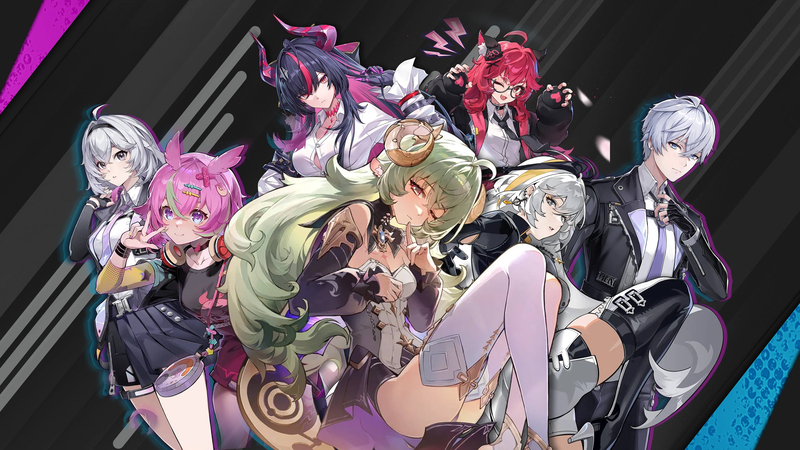
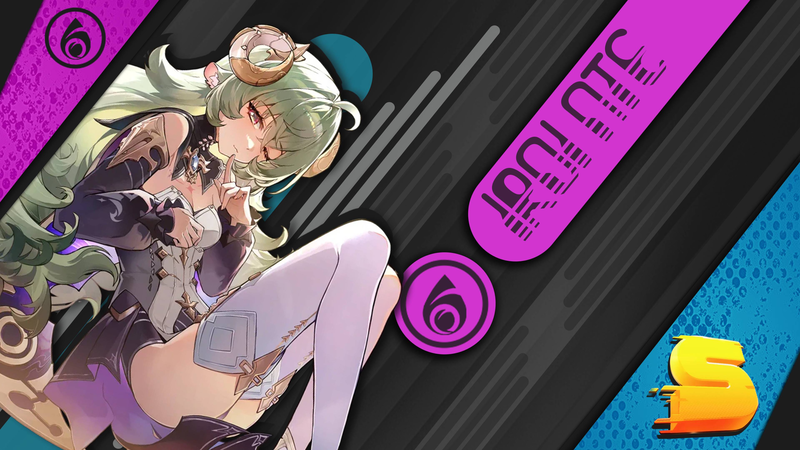
Iroi has quickly established herself as Neverness to Everness' most flexible support, capable of anchoring three distinct team archetypes that cover the full spectrum of player investment. Her kit combines full-party healing, ally revival, damage amplification, and a unique Blossom reaction modifier that copies Vita Buds — a combination that lets her slot into nearly any composition while actively elevating specific synergies. For players building around her, the question isn't whether she fits; it's which version of her potential you want to unlock.
The Three Archetypes
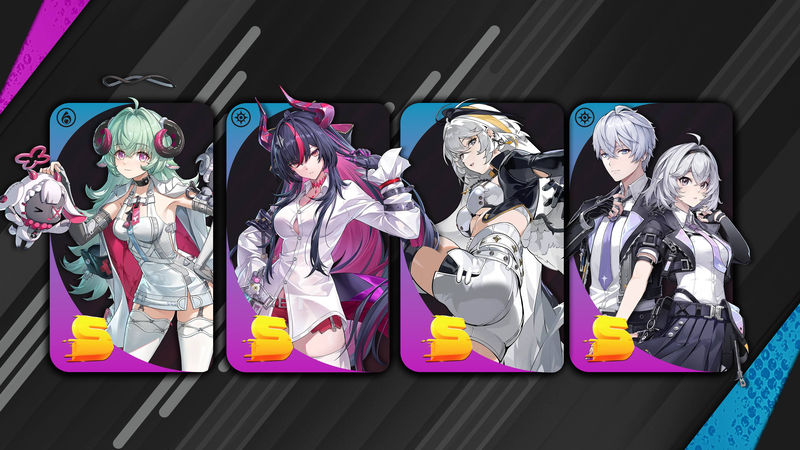
The premium configuration pairs Iroi with Zero, Shinku, and Hathor. This lineup solves Shinku's historical sustainability issues — previously reliant on Zero's limited healing — while adding off-field damage amplification that Shinku's hyper-carry playstyle desperately needed. Iroi's Vita Bud replication extends Blossom uptime, which in turn fuels Hathor's Remora reaction cycle. Zero acts as the catalyst, using minimal field time to trigger Blossom via instant Esper Cycle generation, clearing the stage for Shinku's ultimate drain windows and Hathor's rotation.
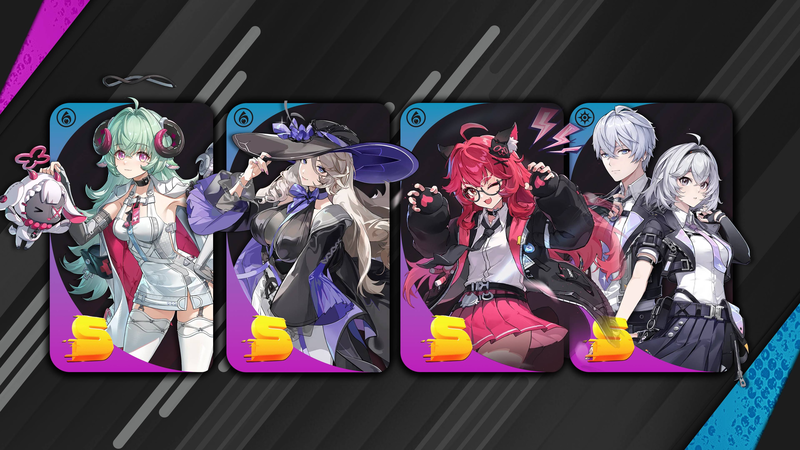
The Blossom-focused build leans into reaction volume over raw stat sticks. Pairing Iroi with Zero, Nanally, and Jiuyuan creates a projectile cascade that borders on visual chaos: Jiuyuan's passive doubles Vita Bud spawns, Nanally halves their attack interval, and Iroi copies each bud after three seconds with doubled fire rate. The result is four active buds launching six homing pistils per second per Blossom trigger. Zero's presence isn't optional here — his rapid cycling generates the reaction frequency that makes the math work.
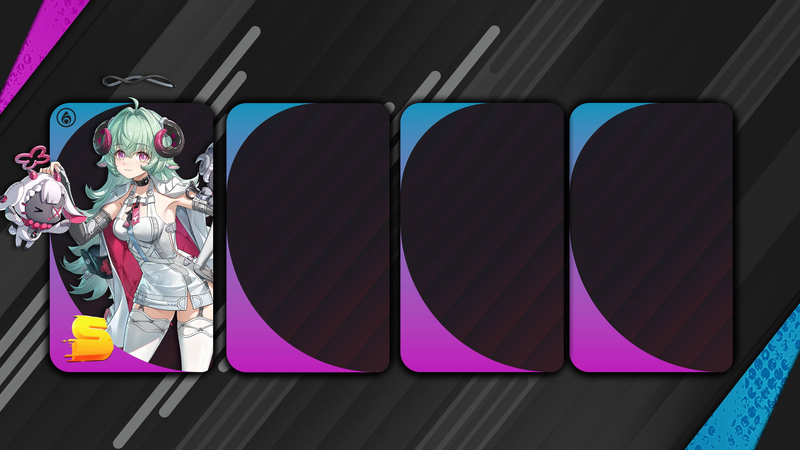
For free-to-play accounts, the Hathor-Haniel duo offers a surprisingly coherent alternative. Haniel and Hathor trigger Stain for a 20% Lakshana damage vulnerability, while Zero, Hathor, and Iroi chain Charge reactions to accelerate Hathor's ultimate recharge. The composition doesn't chase Blossom volume; it optimizes a single damage window through debuff stacking and resource acceleration — a different design philosophy that rewards rotation discipline over reaction spam.
Why This Matters Now
Neverness to Everness launched in April 2026, and its meta has settled into recognizable patterns: hyper-carries demanding specific support batteries, reaction-focused teams fighting for field time, and a growing divide between limited-banner characters and the free roster. Iroi arrives at an inflection point where Hotta Studio's design language is visible enough to analyze but fluid enough that her optimal partners haven't been power-crept. She's not the first universal support in the genre — games like Genshin Impact and Honkai: Star Rail have trained players to recognize the "Bennett slot" — but her Blossom-specific toolkit makes her a case study in how reaction mechanics can gatekeep team viability.
The Design Tension
There's an inherent friction in Iroi's design that the three builds expose. Her Vita Bud copying scales with Blossom frequency, which pushes players toward Zero — a character who trivializes Esper Cycle management. Meanwhile, her healing and revival are universally valuable but numerically modest compared to dedicated healers. The premium team works because Shinku and Hathor both function as on-field DPS with complementary reaction needs; the Blossom team works because it stacks three separate reaction modifiers multiplicatively; the F2P team works because it ignores Blossom entirely in favor of a different damage axis. Each build uses a different subset of her kit, which raises a question: is Iroi actually three supports wearing one model, or is she a design that hasn't committed to an identity?
Where the Meta Goes Next
Hotta Studio has shown a willingness to release characters who rewrite existing team structures — Shinku herself invalidated several pre-launch compositions. If the pattern holds, the next limited banner will introduce either a Blossom enabler who makes Iroi's copying redundant, or a sustain option that competes for her slot. For now, she occupies a rare sweet spot: a support who changes how you play the characters around her, rather than simply making their numbers bigger. That's the metric worth tracking as the roster expands.


Comments (0)
Loading comments…