

Leonard Nimoy's personal favorite Star Trek: The Original Series episode is "Amok Time," the Season 2 opener best known for its deep dive into Vulcan biology, its emotional twist, and one of the most quietly powerful Kirk/Spock moments ever filmed. Decades later, that twist still lands — and it's the reason the episode holds up as a masterclass in sci-fi storytelling.
Nimoy wrote about his affection for the episode in his 1977 autobiography I Am Not Spock, praising its "lovely, poetic script" by Theodore Sturgeon and calling it "a very special story again for Mr. Spock." He loved that it let him explore Vulcan culture and introduced the iconic hand salute. But what Nimoy didn't explicitly mention in that book is the thing that makes "Amok Time" unforgettable: its twist ending, which flips from tragedy to triumph in a single, wordless reaction shot.
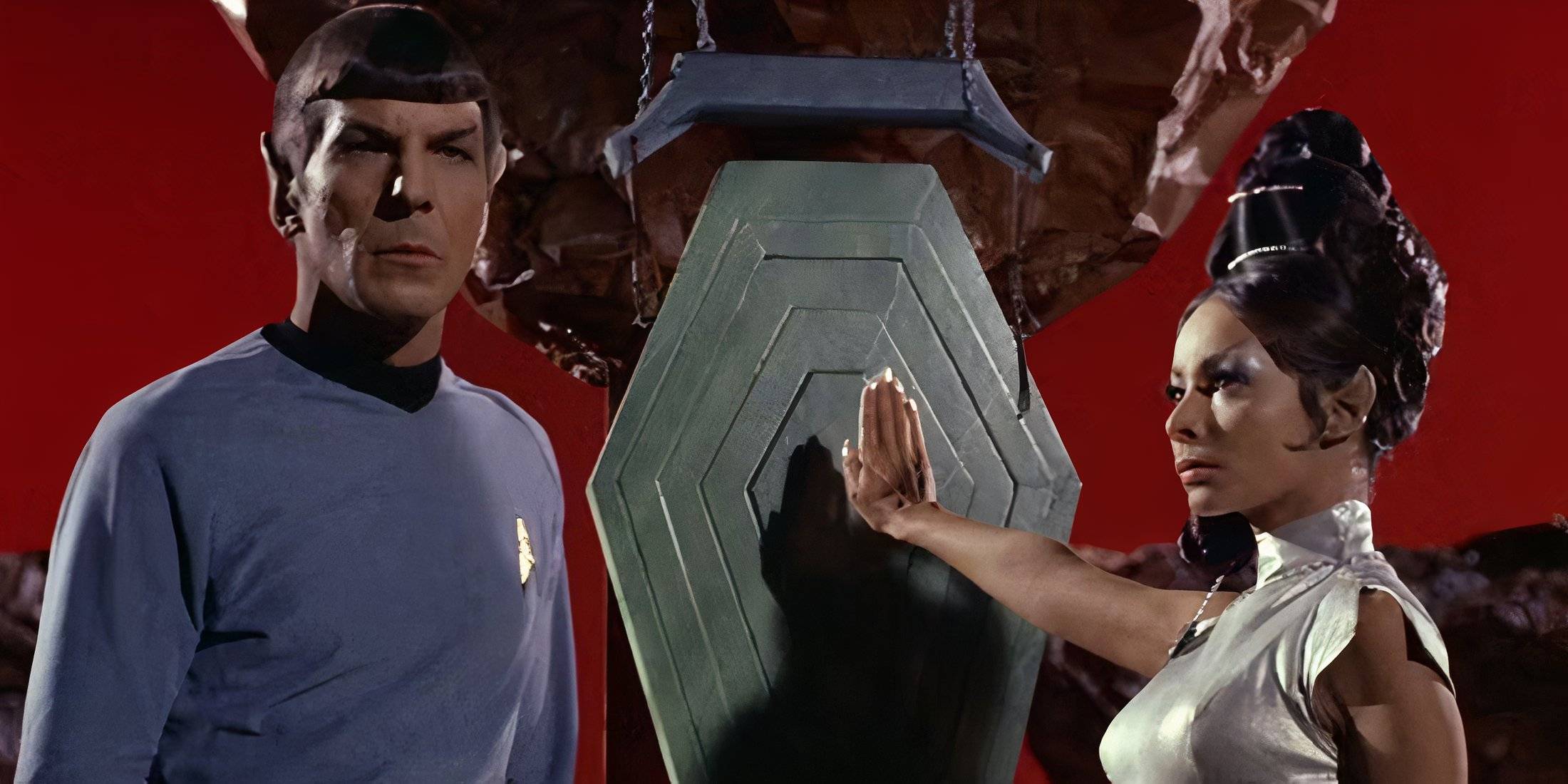
The Pon Farr Crisis and Vulcan's First Visit
"Amok Time" is the episode where Spock succumbs to pon farr, the Vulcan mating drive that overrides his logic with raw, uncontrollable emotion. The Enterprise rushes him to Vulcan — the planet's first on-screen appearance — where he's bound by tradition to marry his betrothed, T'Pring. Except T'Pring has other plans. She manipulates the ritual to force Spock into mortal combat with her chosen champion: Captain Kirk.
What follows is a brutal, reluctant fight between friends, set to Gerald Fried's now-legendary percussion score. Kirk is at a disadvantage in Vulcan's thin atmosphere, and Bones injects him with a compound that supposedly helps — but is actually a paralytic that mimics death. When Spock kills Kirk (or so it seems), the fight ends, T'Pring's scheme unravels, and Spock walks away heartbroken. It's a gut punch, even on rewatch.
The Twist That Changes Everything
Back aboard the Enterprise, Spock submits himself for court martial, only to walk into the quarters and find Kirk very much alive. The compound didn't kill him — it just stopped his heart long enough to fake his death. Spock's reaction is one of the few times in all of Star Trek where he drops the Vulcan mask entirely. He's stunned, then relieved, then almost joyful. He even grins. It's a huge moment for a character who rarely shows emotion, and it crystallizes the depth of his bond with Kirk.
The twist works because it doesn't feel cheap. Kirk's "death" served a purpose in the narrative — it exposed T'Pring's betrayal and gave Spock a reason to sever the engagement. And it gave fans one of the franchise's most enduring character beats. That shot of Spock's face shifting from grief to stunned relief is the kind of storytelling that games like 13 Sentinels: Aegis Rim and AI: The Somnium Files have tried to emulate — a narrative twist that recontextualizes everything you just watched, with pure emotional payoff.
Why This Episode Still Matters
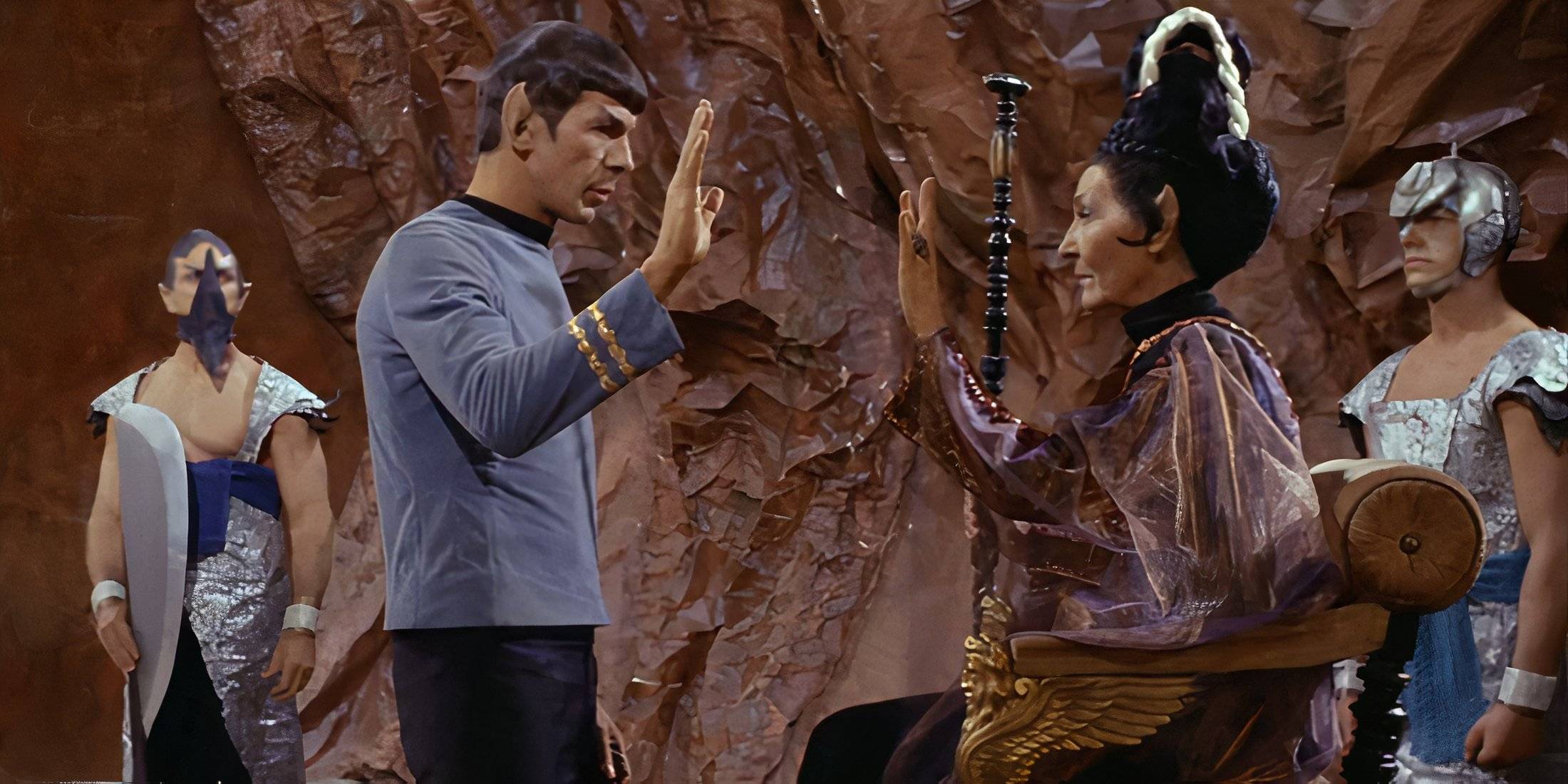
"Amok Time" aired in 1967, but its impact has only grown. Later Trek shows revisited pon farr in Star Trek III: The Search for Spock, Voyager, and Enterprise, and Strange New Worlds even played a spiritual prequel to the episode in its first season. But none of them replicate the raw, contained power of the original. This was the first real look inside Vulcan culture, and it humanized Spock in a way that made him more than just a logical sidekick.
Nimoy recognized that early. He called the script "rich" and praised the chance to see Spock among his own people. But the twist ending — and Kirk's fakeout death — is what fans remember. It's the kind of bold narrative choice that feels right at home alongside the meta-referential storytelling of Alan Wake 2, where narrative and reality blur. Or the heartbreaking, irreversible twist of Aerith Gainsborough's fate in Final Fantasy VII. Great twists either rewire the story or deepen character relationships. "Amok Time" does both.
Is the Twist Perfectly Executed?
If we're being skeptical: the idea that Bones could fool everyone — including Spock's telepathic abilities — with a temporary paralytic is a stretch. And Kirk's "death" being a ploy to get Spock out of an arranged marriage feels like a convenient out. But the episode earns it. The whole narrative builds to that moment, and Spock's reaction sells it. It's not a deus ex machina; it's Bones using his medical knowledge to save two friends from a terrible situation. The twist works because it's grounded in character logic, not plot convenience.
That said, modern audiences might find the fake death trope overused. But in 1967, in a TV landscape where main characters rarely died (let alone in the middle of an episode), it was genuinely shocking. And it gave us one of the most rewatchable episodes of classic Trek.
What Comes Next for the Legacy
"Amok Time" remains a benchmark for Star Trek storytelling, and Nimoy's endorsement only solidifies its place. As new generations discover TOS through streaming and Strange New Worlds nods, the episode will likely keep appearing on "best of" lists. For anyone curious about why Spock is such a beloved character — beyond the ears and the salute — this is the essential watch. It's a tight, poetic script with a payoff that still delivers a punch, half a century later.
If you haven't seen it, do yourself a favor. And when Spock walks into that room, watch his face. That's the moment a fake death becomes real connection.



Comments (0)
Loading comments…