
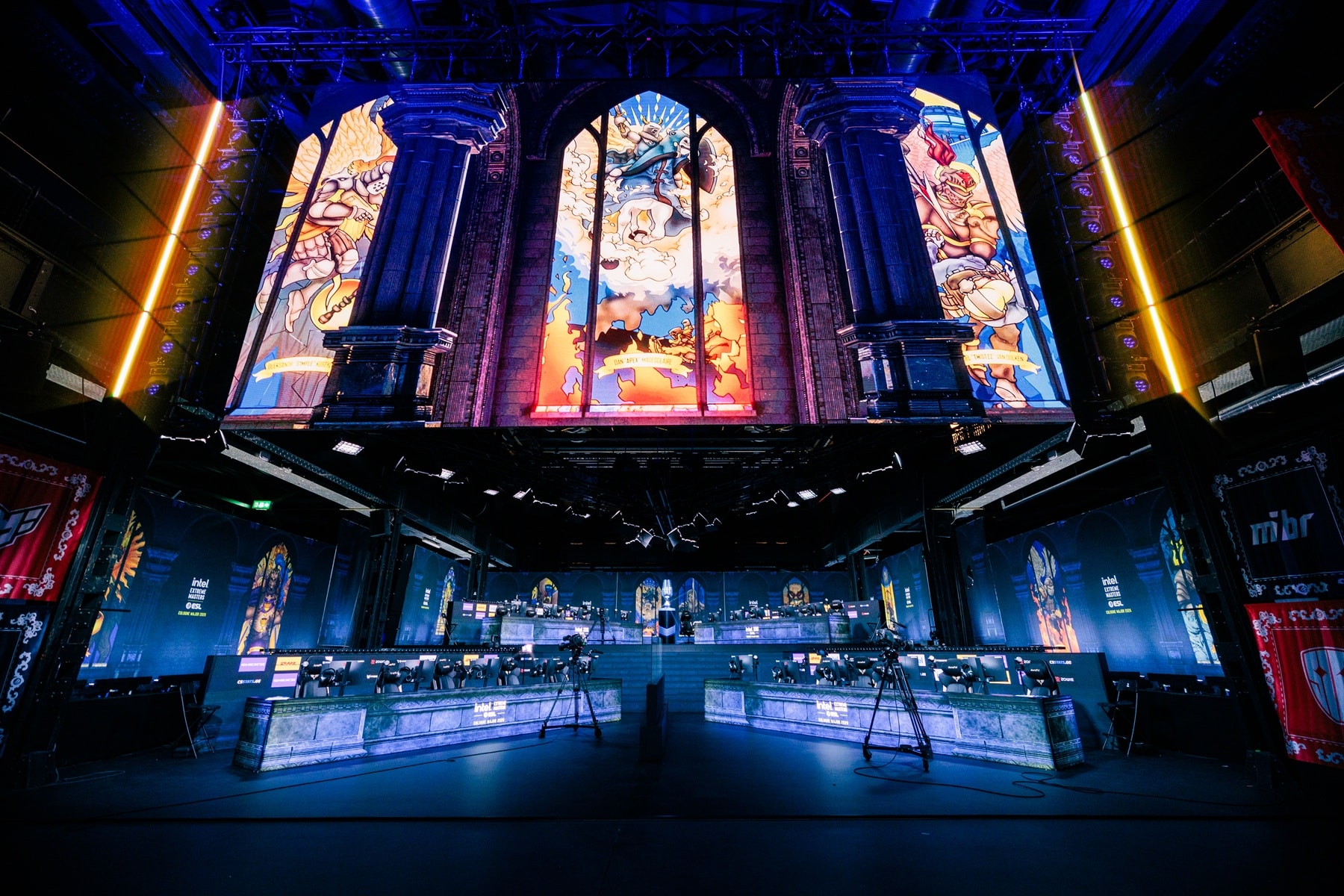
When SINNERS finally cracked the code and qualified for their first Major at IEM Cologne 2026, the Czech organization should have been celebrating a financial windfall. For years, reaching a Counter-Strike Major meant a guaranteed payout that could fund a roster for months — HLTV.org reported teams averaging $4.5 million at the 2023 Paris Major, and even the 2025 Budapest event paid around $600,000 per squad. Instead, SINNERS exited in Stage 1 and walked away with roughly $120,000 split between the org and its players. That's not a windfall. That's a rounding error for a Tier 1 operation, and for a Tier 2 team that scraped together every resource to get there, it's an existential threat.
The Capsule Era Is Over
Valve tore up the playbook at Cologne. The capsule system — loot boxes by another name, where fans cracked open randomized packs hoping for a golden donk autograph — is gone. In its place: a token shop where you buy exactly the sticker you want at a dynamic price. No gambling, no investment speculation, no opening hundreds of capsules to chase one item. On paper, it's consumer-friendly. In practice, it nuked the revenue engine that kept the lower half of the professional scene alive.
The new split allocates 50% of sticker revenue to teams, but tournament organizers now take 5% off the top. The remainder distributes based on Valve Regional Standings rank and Major performance. Stage 1 exits at the bottom of the VRS ladder get the smallest slice. Vitality, Falcons, and NAVI — orgs already flush with sponsor money — vacuum up the lion's share. The teams that needed the money most are the ones getting the least.
Why Valve Pulled the Trigger
Valve hasn't explained the change publicly, but the regulatory writing has been on the wall. The company faces mounting lawsuits over loot boxes, and last year's Terminal system — which reveals a skin before you commit to buying — was a clear signal Valve is preempting regulation. Sticker capsules functioned identically to weapon cases: pay for a chance at a randomized reward. That places them squarely in the crosshairs of gambling statutes across Europe and the US. The token shop removes the chance element entirely. You want the sticker? Buy the sticker. Regulators can't call it gambling if there's no roll of the dice.
"If it ain't broken, don't fix it" only works when the thing isn't a legal liability. Valve chose compliance over the ecosystem that compliance just destabilized.
The Math No Longer Works for Tier 2 and 3
CYBERSHOKE owner Erik "Shoke" Shokov revealed he'd spent roughly $950,000 over 2.5 years running a Tier 3 roster — about $190,000 per six-month Major cycle. Under the old system, a Major appearance recouped most of that. Under the new one, a Stage 1 exit covers maybe 60% of a single cycle's costs, before player splits. The risk-reward calculation that justified grinding through qualifiers, funding bootcamps, and traveling to LANs has inverted. Orgs aren't charities. Gaimin Gladiators cited "recent changes to the Major ecosystem and revenue structure" when they exited CS2 last month. They won't be the last.
The broader esports economy offers no safety net. Sponsorship markets have tightened. Media rights remain negligible outside of Activision Blizzard's Overwatch League experiment. Most orgs operate at a loss, subsidized by venture capital patience that's wearing thin. Major sticker revenue was the one reliable, valuation-agnostic payout in the calendar. Valve just turned it into a performance bonus for teams that already win.
A Consumer Win That May Kill the Product
There's a legitimate counterpoint: the capsule system exploited gambling psychology. Fans spent thousands chasing rare stickers; kids with Steam wallets chased golds they'd never get. The token shop is transparent, fair, and exactly what consumer advocates have demanded. But esports isn't a typical consumer market. The product is the competition itself, and the competition requires a sustainable base of 30-40 professional teams, not five super-orgs and a rotating door of bankrupt aspirants. AMD and Amazon (via Twitch) benefit from a healthy scene. They don't benefit from a top-heavy one where half the league folds.
AI-driven content tools and AI arms race investments are diverting capital from esports sponsorships anyway. The timing couldn't be worse.
What Happens Next
Valve has adjusted Major formats before — the MR12 switch, the VRS overhaul, the Regional Major Ranking tweaks. They iterate. But this isn't a format change; it's a structural revenue shift that breaks the business model for half the league. Watch for: more org exits in the next six months, a push for Valve to introduce a baseline participation stipend decoupled from sticker sales, or a third-party tournament circuit attempting to fill the gap (unlikely without Valve's blessing). The Cologne numbers are the first data point. The Shanghai Major in December will be the second. If the curve doesn't bend, the scene below the top ten becomes a hobbyist league — and Counter-Strike loses the depth that made it the premier tactical shooter for two decades.




Comments (0)
Loading comments…