
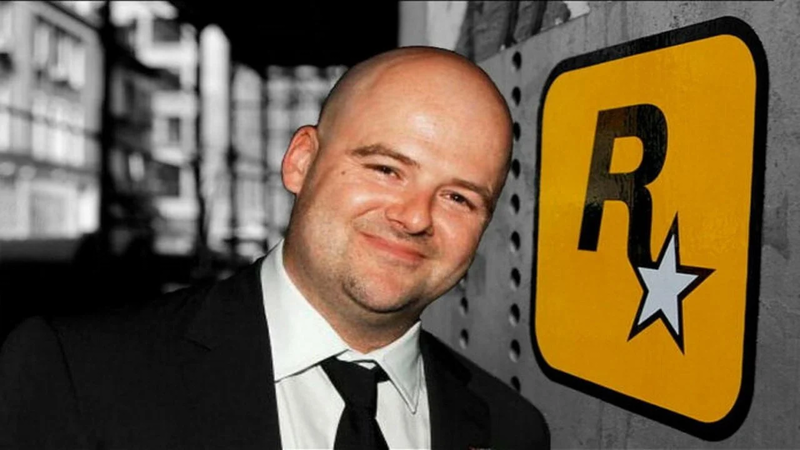
Dan Houser's answer is simple: companies should keep offering physical games as long as players want them, even if Sony is pushing the console market toward a mostly digital future.
He is not making a nostalgia argument. Houser, the Rockstar Games co-founder, says digital releases are useful because they make updates, patches, and post-launch fixes easier to deliver. His point is that convenience should not become a reason to close the door on players who still want a disc.
Sony’s 2028 disc shift made the debate unavoidable
Sony's plan to stop developing new physical game discs by 2028 turned a niche collector debate into a mainstream industry question. Physical media used to be the default way console players bought games. Now it is increasingly treated as a special case, something publishers provide only if the economics and demand still justify it.
That timing matters. Digital storefronts, subscriptions, cloud saves, and always-online services have made games feel less like products you keep and more like services you access. The old model of buying a box and owning the disc has been under pressure for years, but Sony's move made the direction feel official.
Houser is not anti-digital
During a Comic-Con conversation, Houser said he personally loves physical media, but he is not sure he cares heavily about the shift to digital. Then he made the practical argument: digital updates can be “really useful for the quality of games.”
“If people want that, I think companies should provide it.”
That is the core of his position. He sees the logic in digital distribution, but he does not think player preference should be treated as irrelevant just because streaming purchases is easier for publishers.
The digital side has real advantages
For modern games, physical media is often less of a complete copy and more of a shiny download key. The disc can hold some data, but most big releases still require a massive patch, day-one fix, or always-connected service layer. That makes digital-first distribution feel less like a gimmick and more like the normal workflow.
It also helps developers. When a launch day breaks a mission system, breaks matchmaking, or causes a save-file issue, a patch can reach everyone without reprinting boxes or shipping new discs. That matters for games that arrive as half-finished warehouses full of digital luggage. Nobody wants to buy a $70 disc and then wait two weeks for the real game.
Physical media is not just nostalgia
The strongest argument for physical games is not that plastic cases are romantic, although plenty of collectors will argue otherwise. Physical media still gives players a more tangible relationship with the product, especially in an era where digital stores can change rules, remove games, or quietly reshape access.
That ownership concern is why the debate has stayed alive. A digital purchase can feel like ownership until it does not. If a publisher pulls a game, a storefront changes policies, or a regional release disappears, the player's library can shrink in ways that a disc collection cannot.
Physical copies are not a perfect safety net. Discs scratch, drives fail, and modern games may still need online servers. But a disc still gives buyers something they can hold, resell, lend, archive, or display when an account-based library feels a little too much like a rented shelf.
Who benefits from the shift?
Digital-first games are good for publishers, storefronts, and anyone who hates dealing with shipping, retail margins, or unsold inventory. They also help players who want instant access, automatic updates, and fewer cases collecting dust next to the console.
Players who lose the most are collectors, used-game buyers, people with limited internet access, and anyone who wants a release that is not entirely dependent on a storefront staying alive. That last part is easy to underestimate until a platform changes its policies or a game vanishes from a store page.
Why this matters for Rockstar
Houser's comments carry extra weight because Rockstar's biggest releases are not small, contained games. They are massive, expensive, internet-connected releases that can take years to build and months to patch. A future physical GTA 6 would probably be less of a complete disc copy and more of a tangible download voucher.
That still does not make it meaningless. A physical edition gives collectors something permanent, gives retailers a product, and gives buyers a sense of permanence that a digital receipt rarely provides. For a game as huge as GTA 6, that sense of permanence could matter more than the data on the disc.
The likely future: fewer discs, not no discs at all
The most realistic outcome is not a total disappearance of physical games. It is a smaller physical market built around major releases, limited runs, collector editions, and publishers that still see a reason to manufacture plastic.
That is probably what Houser is defending: not every game needing a disc forever, but enough options that players are not forced into a single distribution model. If the market wants fewer discs, fine. If it wants none, that needs to be a demand-driven choice, not a convenience-driven mandate.
The real takeaway is that physical media and digital quality do not have to be enemies. The best future for games would let developers patch freely while still giving players a choice over how they buy, keep, and resell the games they actually want to play.



Comments (0)
Loading comments…